Most of the current air defense alarm devices are independent manual intervention. Each device needs to be operated by one person when starting up. Especially the air defense alarm devices are generally installed on the top of high-rise buildings.
Exposure to the rain is easy to
rust, so it is usually covered with a protective cover. When using it, people often need to go to the roof to remove the protective cover, and then go to the
control room to open and close the alarm. Each
alarm device must be operated by one person, and it is difficult to operate simultaneously. , its labor intensity is high, and a lot of preparatory work needs to be done in the early stage of normal exercises. During wartime, it is impossible to ensure that the sounding personnel scattered everywhere will be in place in time. Therefore, the air defense alarm has become a kind of decoration for the ears of the deaf, resulting in a serious waste of resources. , does not meet the requirements of immediacy, real-time and consistency of air defense in modern warfare
Although there are also new
remote control alarm systems, such as the alarm system controlled by radio stations, because the frequencies used by radio stations are mostly short-wave and ultra-short wave, long-distance reception depends on
sky ionospheric reflection, and short-distance reception is
direct radiation. It is changing, so the reception is very unstable, the reliability and anti-interference ability are poor, the control
radius is small, the networking is difficult, the cost is high, the rate of missed transmission and false transmission is high, and the requirements are also not met
There are also
GSM or GPRS technology to implement
remote control, but due to technical problems,
the Internet and the remote
wireless data communication network must be used together to achieve centralized control, and they are all developed based on Microsoft's Windows system using high-level languages. Continuous network work, the
back door of its
operating system even Microsoft itself is not clear sometimes, it is very vulnerable to hackers and
virus attacks, poor security, easy to lose control, and easy to send by mistake; the on-duty personnel must use a computer
server at a fixed location through keyboard operations. Centralized control, the fixed
command center location will be located by the enemy, and the implementation of fixed-point clearing will cause heavy losses to the command headquarters; the
server must run all the year round, and the
command center built with GPRS technology also needs a fixed
IP address, and the monthly charter fee reaches Thousands of RMB, the monthly cost of each GPRS terminal of the subordinate is the basic fee plus traffic fee, calculated based on a county-level command center (excluding the salary subsidy for the on-duty personnel), the annual
operating cost is at least 40,000 yuan, so the maintenance cost is expensive Add and buy special-purpose
server, relevant
system software and fire wall
software, expense is staggering, causes the serious waste of resources, this method realizes control by a large amount of resources of sacrificing wireless
public data network, does not have according to civil air defense " long-term standby instant (exercise) , actual combat) emergency”
feature design is not advisable; at the same time, GPRS adopts the browser on-line mode. If the center loses the network, it must be manually intervened to connect to the browser. Therefore, the on-duty personnel must constantly check the network operation status;
The internet access must be resumed after an interval of seven minutes (that is, when the next
heartbeat arrives), which means that at this time, the command command issued from the center must be activated after seven minutes, which cannot meet the requirements of wartime; plus the time when this technology came out It is not long, and there are many problems, which need to be further improved; due to the long-term
continuous operation of the main engine, the temperature rises, and the
paralysis caused by the
crash often occurs, and it is also unable to meet the needs of wartime emergency
[0003] To sum up, in the past, the command and operation of air defense alarm equipment was multifarious, fragmented, the management method was backward, the alarm equipment lacked
standardization, the degree of
automation was low, there was no strict authority system and command process, and the unity between centralization and classification, command and management could not be realized. , the phenomenon of false alarms and missed alarms is serious, and the reliability is poor, which cannot guarantee the needs of future air defense development.



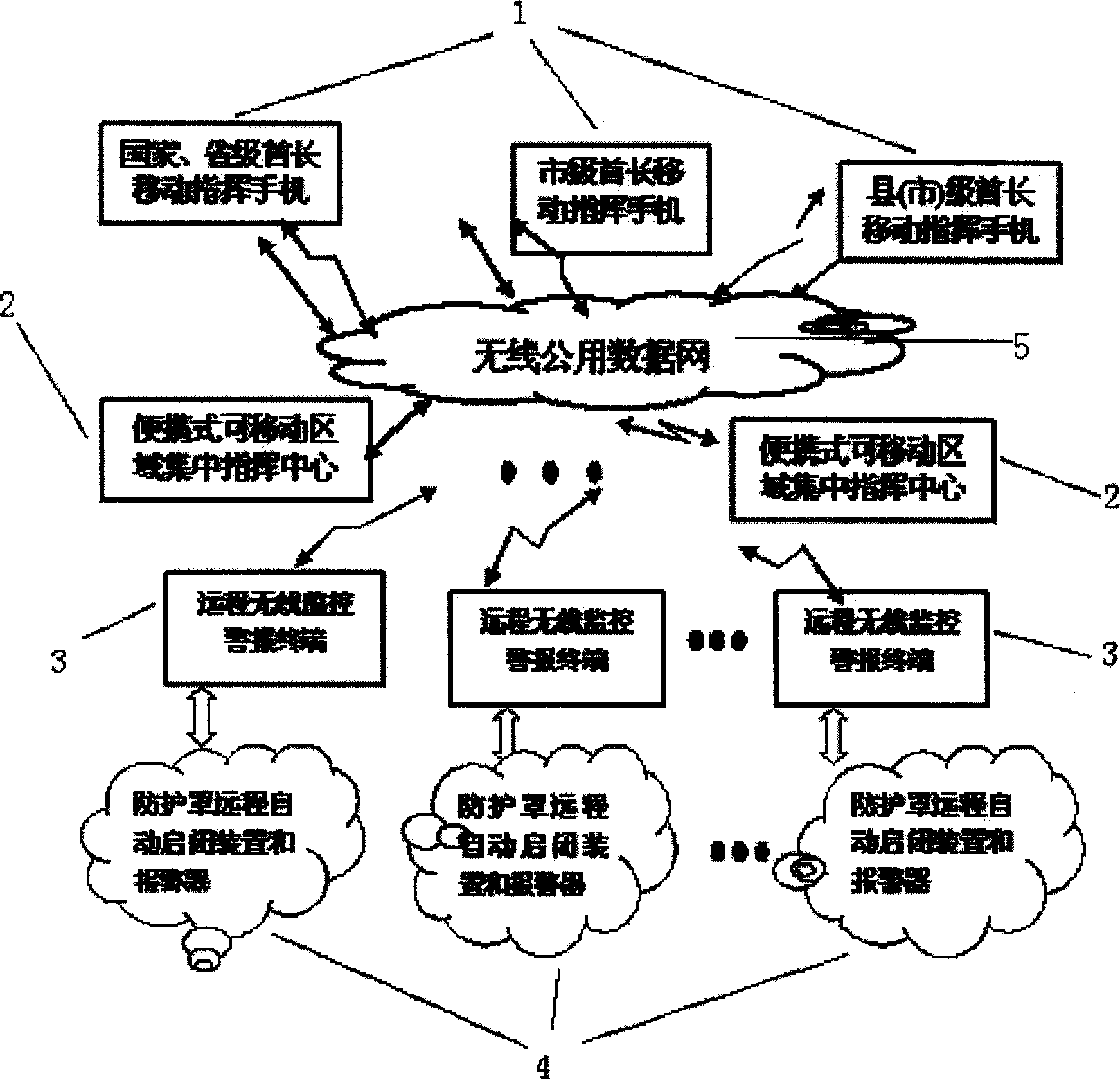
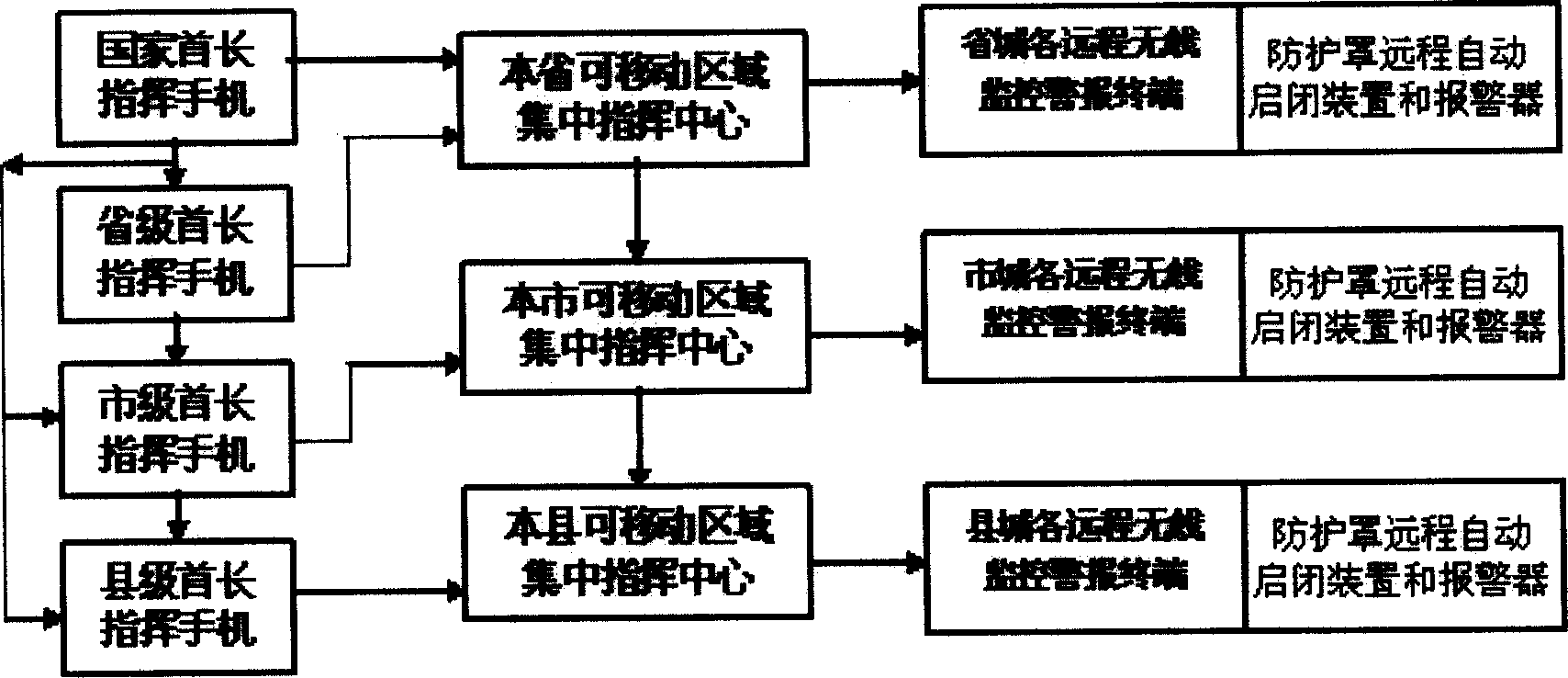
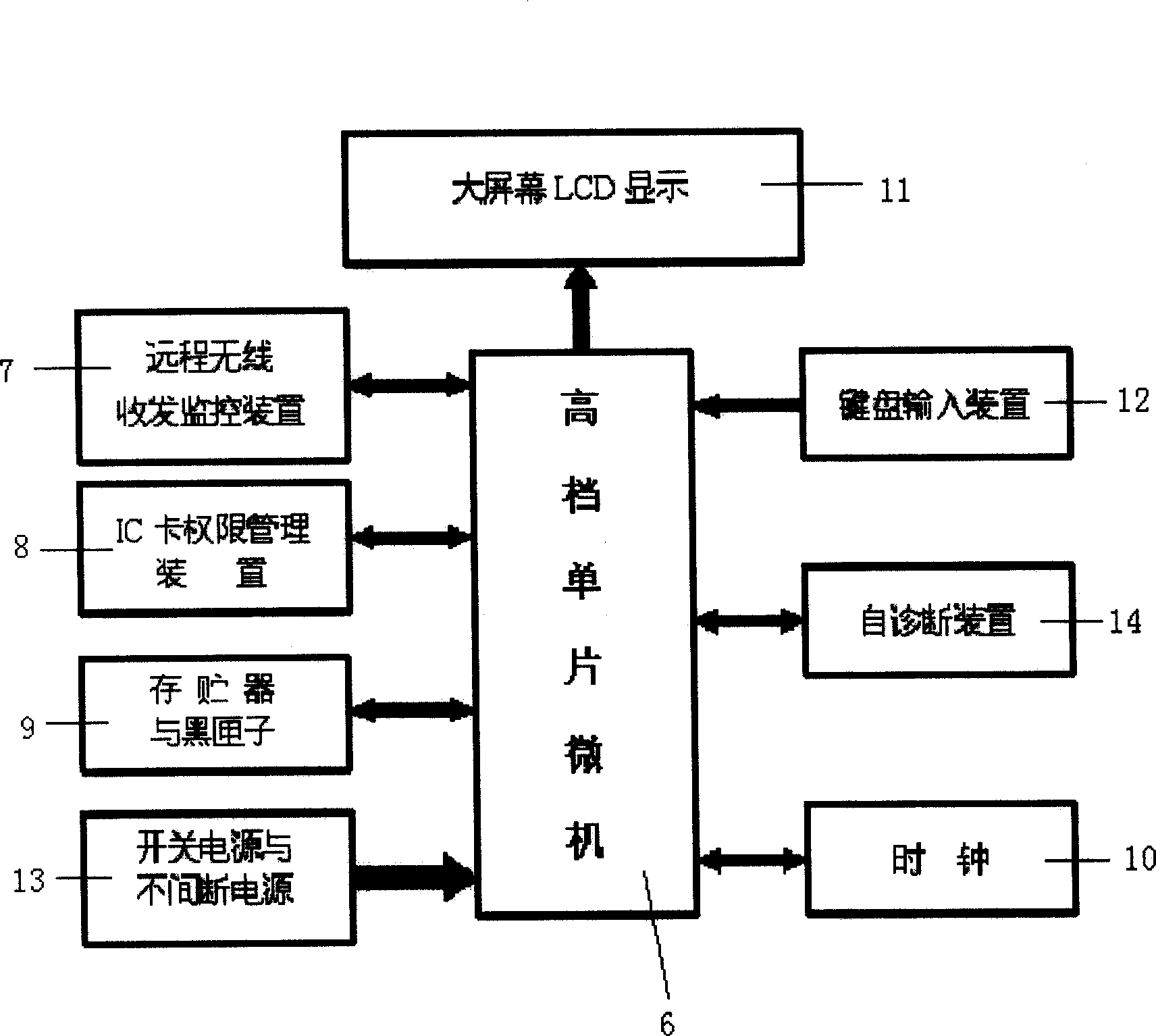
 Login to View More
  Login to View More