
Composition comprising peroxisome proliferator-activated receptor-gamma
a technology of activated receptor and peroxisome, which is applied in the direction of drug composition, peptide, peptide/protein ingredients, etc., can solve the problems of reducing the ability to maintain body temperature, increasing the risk of skin injury, and reducing the risk of migration of fillers, so as to improve the amount of fat and reduce the appearance
- Summary
- Abstract
- Description
- Claims
- Application Information
AI Technical Summary
Benefits of technology
Problems solved by technology
Method used
Image

Examples
example 1
Preparation Of Peroxisome Proliferator-Activated Receptor-Gamma Protein
[0067]For expression of peroxisome proliferator-activated receptor-gamma protein in B. megaterium, the procedure was carried out analogously to: Barg, H., Malten, M. & Jahn, D. (2005) “Protein and vitamin production in Bacillus megaterium”, Methods in Biotechnology-Microbial Products and Biotransformations (Barredo, J.-L., ed.). As fungal production strains can be used Pichia pastoris (for example GS115 and KM71 (Invitrogen) and others) and Aspergillus nidulans (for example RMS011 (Stringer, M A, Dean, R A, Sewall, T C, Timberlake, W E (1991) “Rodletless, a new Aspergillus developmental mutant induced by direct gene activation”, Genes Dev 5:1161-1171) and SRF200 (Karos, M, Fischer, R (1999) “Molecular characterization of HymA, an evolutionarily highly conserved and highly expressed protein of Aspergillus nidulans”, Mol Genet Genomics 260:510-521), and others). Further, it is also possible to use other fungal prod...
example 2
Induction of Adipocyte Differentiation by Peroxisome Proliferator-Activated Receptor-Gamma
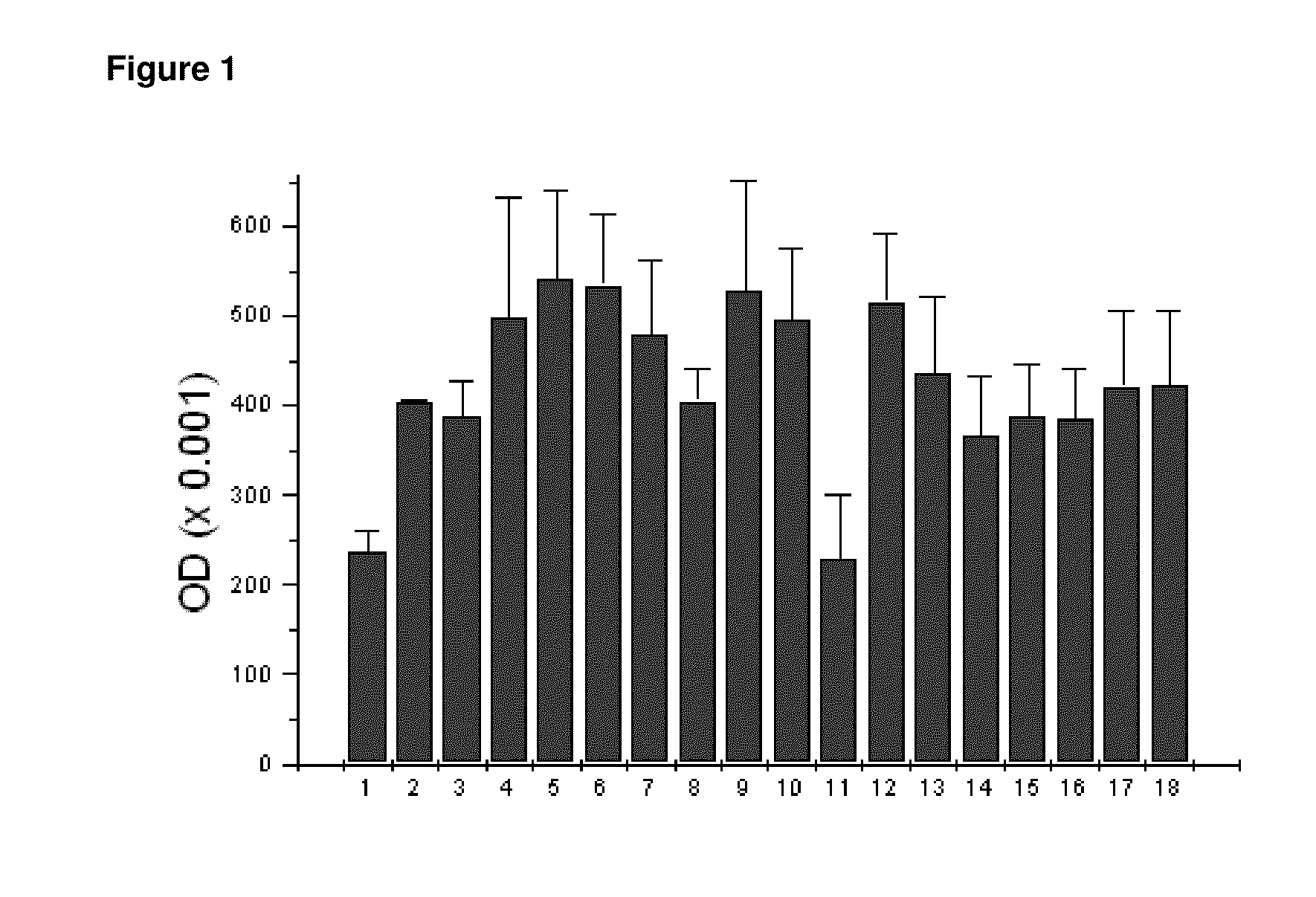
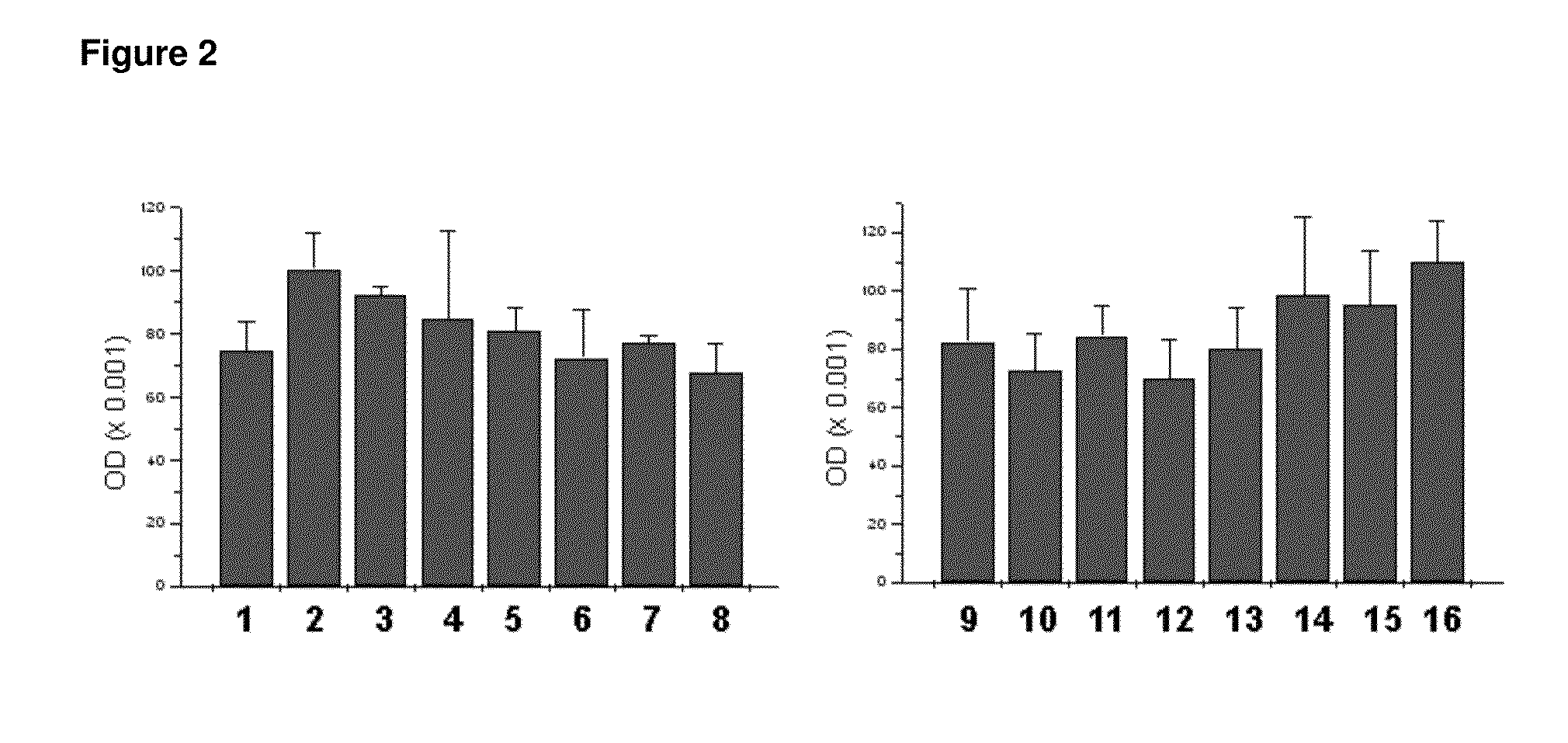
[0068]The ability of peroxisome proliferator-activated receptor-gamma to induce differentiation of adipocytes was studied in adipose-derived stem cells (ASC). Human adipose-derived stem cells were obtained by liposuction and cultured following a published procedure (Crandall et al, Endocrinology 140:154-8, 1999). In brief, adipose tissue was digested with 2 mg / mL collagenase in Krebs-Ringer-bicarbonate buffer (pH 7.4). The preadipocyte fraction was resuspended in growth medium, transferred to a culture flask, and maintained in an incubator at 37° C., and 5% CO2. Cell attachment was allowed for 16-20 h and afterwards the cells that had not adhered were removed.
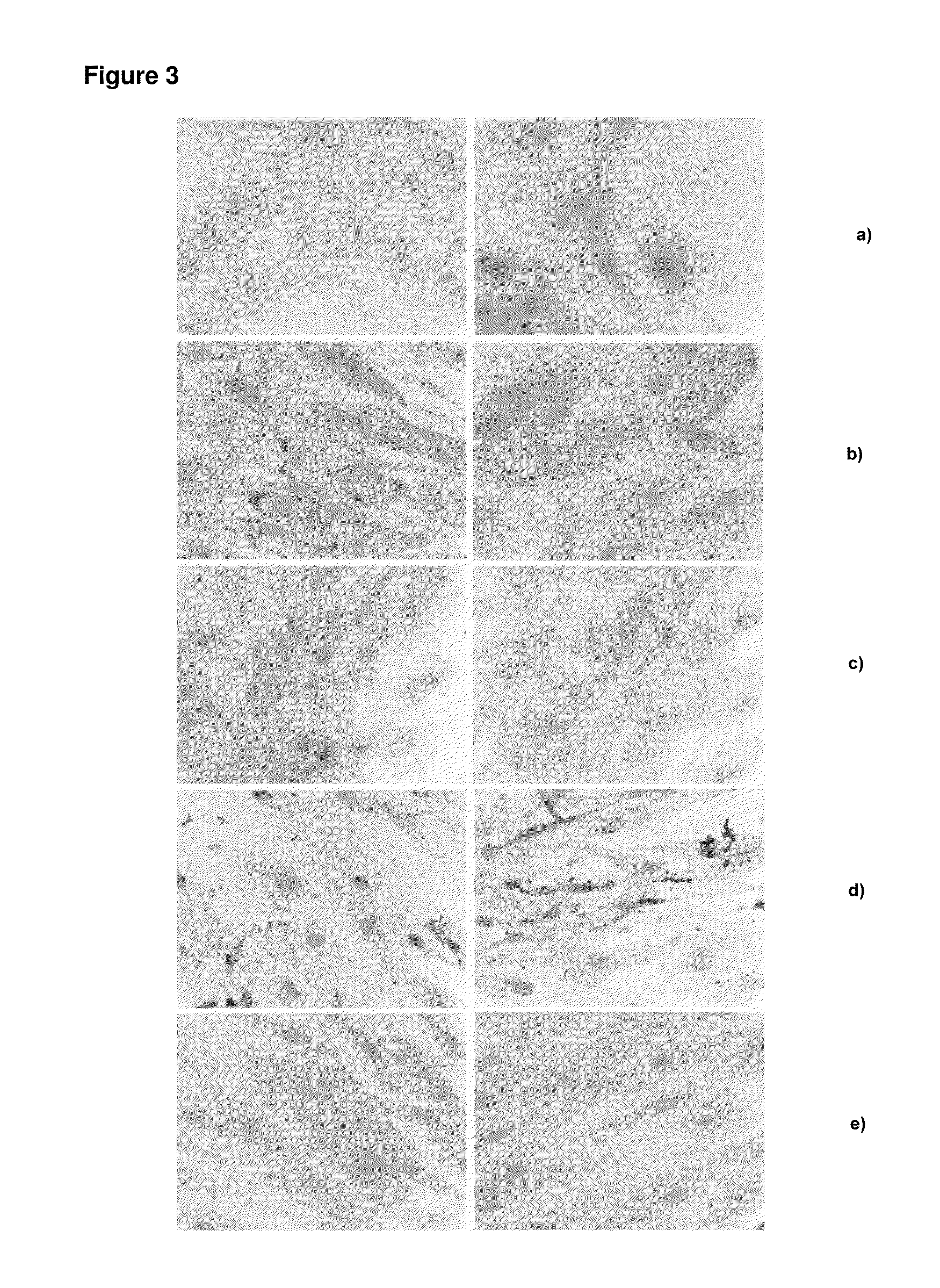
[0069]Peroxisome proliferator-activated receptor-gamma (PPARgamma) was added to respective final concentrations of 0.0001%, 0.01% and 1% by weight to the culture media 24 hours after the cells were seeded. The media was changed every three...
example 3
Isolation of Human Adipose-Derived Stem Cells
[0071]Human adipose-derived adult mesenchymal stem cells (ASCs) were isolated from lipoaspirates from patients undergoing cosmetic liposuction. Liposuction aspirates were obtained from patients undergoing plastic surgical procedures. Aspirated tissue was digested at 37° C. with 0.075% collagenase I (230 U / mg; CellSystems, Germany) and continuously agitated for 45 minutes. The stromalvascular fraction was separated from the remaining fibrous material and the floating adipocytes by centrifugation at 300 g. The sedimented cells were washed with PBS (Thermo Scientific-Pierce, Germany) and filtered through a 100 μm pore filter (Millipore, Germany). Erythrocyte contamination was reduced by density gradient centrifugation with Biocoll (Biochrom, Germany) as high contamination with erythrocytes was found to markedly decrease cell adherence and proliferation. Finally, the cells were plated for initial cell culture, and cultured at 37° C. in an atm...
PUM
| Property | Measurement | Unit |
|---|---|---|
| pH | aaaaa | aaaaa |
| concentration | aaaaa | aaaaa |
| concentration | aaaaa | aaaaa |
Abstract
Description
Claims
Application Information
 Login to View More