
Production method of three-dimensional porous composite bar
A three-dimensional porous, composite rod technology, applied in medical science, prosthesis, etc., can solve the problems of poor mechanical properties, uneven pore dispersion, etc., and achieve the effects of low cost, good biocompatibility, and strong interaction between interfaces
- Summary
- Abstract
- Description
- Claims
- Application Information
AI Technical Summary
Problems solved by technology
Method used
Image

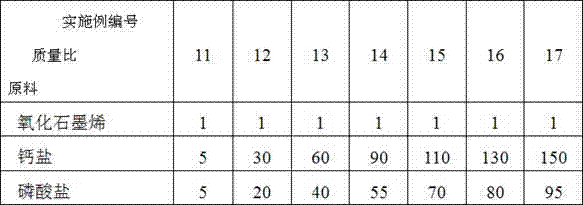
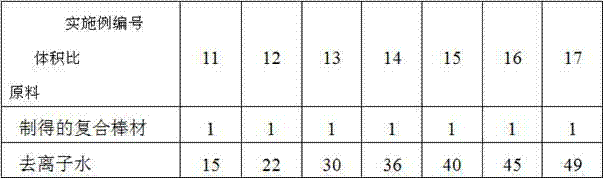
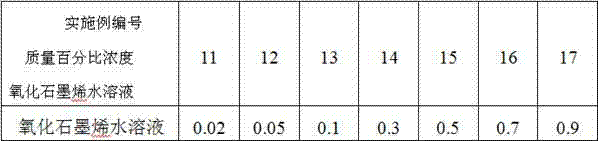
Examples
Embodiment 1
[0024] The graphene oxide powder was added to 250 mL of deionized water solution, and stirred ultrasonically for 1 hour to obtain a graphene oxide solution with a concentration of 1 mg / mL. Calcium nitrate and potassium dihydrogen phosphate are added to the graphene oxide solution according to the calcium ion concentration of 0.4kg / L and the phosphorus ion concentration of 0.18kg / L, and stir evenly to obtain the graphene oxide hydroxyapatite precursor solution. While stirring, 7.5 g of konjac glucomannan was added to obtain a mixed solution, stirred at a constant temperature of 45° C. for 30 minutes, and left to stand for defoaming for 24 hours. Inject the above solution into a dialysis bag, seal it with a clip of the dialysis bag, intrude into an alkaline coagulation solution with a mass concentration of 1.5%, soak at a constant temperature of 60°C for 7 days, and obtain graphene oxide modified konjac glucomannan / hydroxyapatite Stone three-dimensional porous composite gel, soa...
Embodiment 2
[0027] The graphene oxide powder was added to 250 mL of deionized water solution, and stirred ultrasonically for 0.5 hours to obtain a graphene oxide solution with a concentration of 1 mg / mL. Calcium nitrate and potassium dihydrogen phosphate are added to the graphene oxide solution according to the calcium ion concentration of 1.6kg / L and the phosphorus ion concentration of 0.72kg / L, and stir evenly to obtain the graphene oxide hydroxyapatite precursor solution. While stirring, 7.5 g of konjac glucomannan was added to obtain a mixed solution, stirred at a constant temperature of 45° C. for 30 minutes, and left to stand for defoaming for 24 hours. Inject the above solution into a dialysis bag, seal it with a clip of the dialysis bag, intrude into an alkaline coagulation solution with a mass concentration of 1.5%, soak at a constant temperature of 60°C for 7 days, and obtain graphene oxide modified konjac glucomannan / hydroxyapatite Stone three-dimensional porous composite gel, ...
Embodiment 3
[0030] The graphene oxide powder was added to 250 mL of deionized water solution, and stirred ultrasonically for 0.6 hours to obtain a graphene oxide solution with a concentration of 5 mg / mL. Calcium nitrate and potassium dihydrogen phosphate are added to the graphene oxide solution according to the calcium ion concentration of 1.6kg / L and the phosphorus ion concentration of 0.72kg / L, and stir evenly to obtain the graphene oxide hydroxyapatite precursor solution. Add 10 g of konjac glucomannan while stirring to obtain a mixed solution, stir at a constant temperature of 45° C. for 30 minutes, and let it stand for 24 hours for defoaming. Inject the above solution into a dialysis bag, seal it with a clip of the dialysis bag, intrude into an alkaline coagulation solution with a mass concentration of 1.5%, soak at a constant temperature of 60°C for 7 days, and obtain graphene oxide modified konjac glucomannan / hydroxyapatite Stone three-dimensional porous composite gel, soaked in 2 ...
PUM
| Property | Measurement | Unit |
|---|---|---|
| flexural modulus | aaaaa | aaaaa |
| flexural modulus | aaaaa | aaaaa |
| particle diameter | aaaaa | aaaaa |
Abstract
Description
Claims
Application Information
 Login to View More