
Graphene-based haze-resisting mask filtering material and preparation method thereof
A graphene-based, graphene-based technology, applied in separation methods, chemical instruments and methods, dispersed particle filtration, etc., can solve the problems of ineffective air filtration of adsorption materials, ineffective control of pore size, etc., to achieve good mechanical properties and processability, reduced energy consumption, and the effects of ultra-high specific surface area
- Summary
- Abstract
- Description
- Claims
- Application Information
AI Technical Summary
Problems solved by technology
Method used
Image

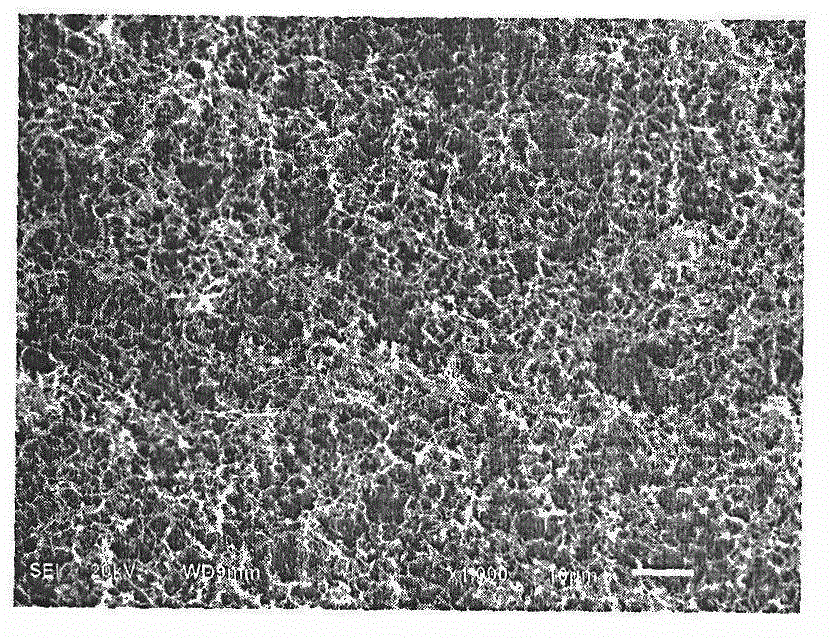
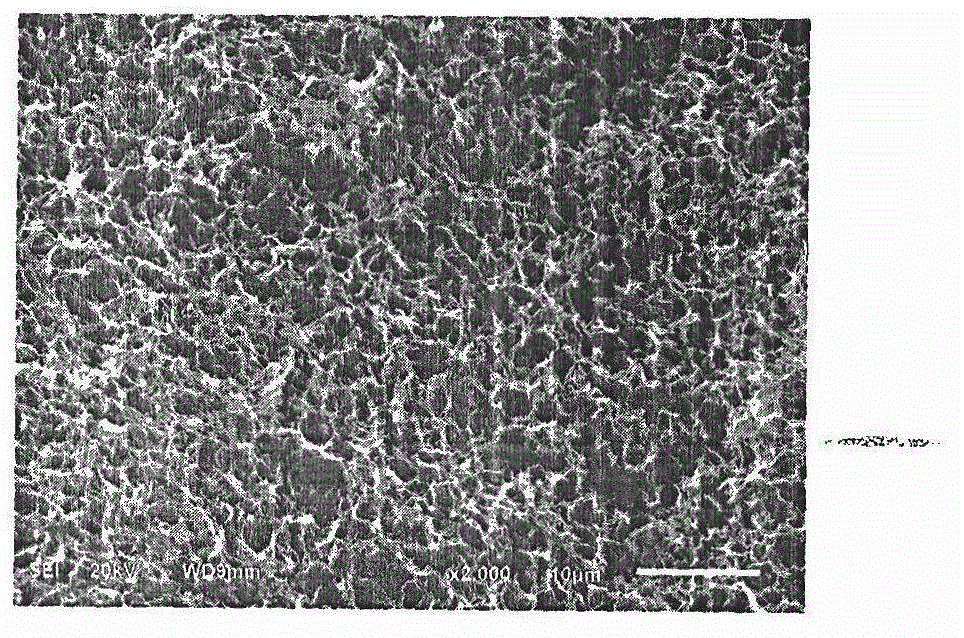
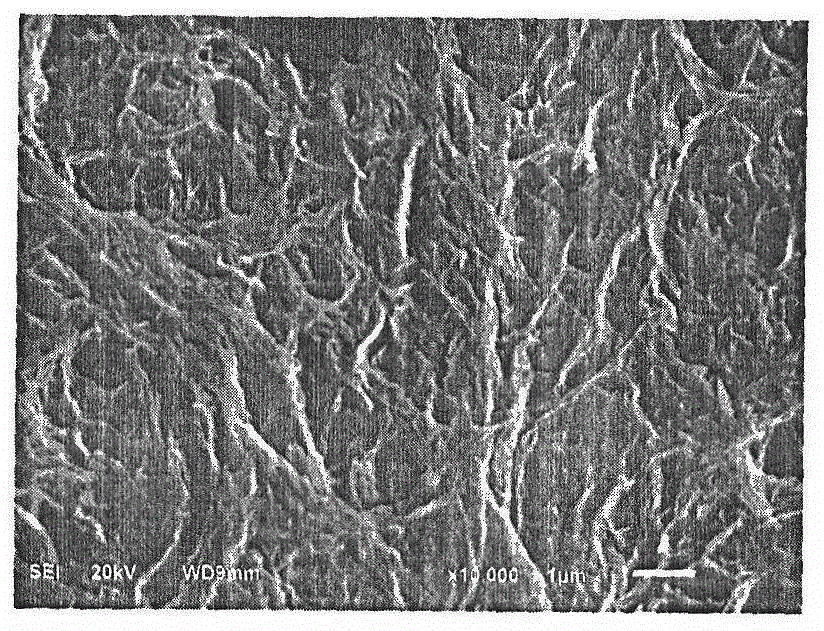
Examples
Embodiment 1
[0028] The embodiment of the present invention prepares the technological process of three-dimensional graphene, comprises the following steps:
[0029] The first step is to prepare graphene oxide: the average particle size of graphite powder in this example is 10000 mesh. Graphene oxide (GO) was synthesized by the Hummers method. 2g graphite powder, 1g NaNO 3 Mix well with 230ml concentrated sulfuric acid in an ice-water bath, slowly add 6g KMnO 4 . Then the temperature was raised to 35°C, and after stirring for 30 minutes, 92ml of deionized water was added, and the temperature was raised to 98°C for 15 minutes to react. After that, add 280ml of water to it to dilute, and wash with 5ml of 30% H 2 o 2 Neutralize excess KMnO 4 . The color of the mixed solution was brownish yellow, filtered while hot, washed repeatedly with deionized water until neutral, and dispersed by ultrasonic to obtain GO.
[0030] The second step, hydrothermal synthesis of three-dimensional graphe...
Embodiment 2
[0035] The embodiment of the present invention prepares the technological process of three-dimensional graphene, comprises the following steps:
[0036] The first step is to prepare graphene oxide: the average particle size of graphite powder in this example is 15000 mesh. The synthesis steps are the same as in Example 1.
[0037] The second step, hydrothermal synthesis of three-dimensional graphene: take 200ml of graphene oxide solution with a mass fraction of 5mg / ml and pour it into a disc-shaped reaction vessel with a diameter of 25cm and a height of 2cm, add 0.5g of ascorbic acid (VC) and stir to make it fully Mix, then seal the reaction vessel tightly. Put the airtight reaction dish at 160°C for hydrothermal reaction for 6 hours, and the graphene oxide in the reaction dish spontaneously shrinks and cross-links to form a three-dimensional sponge structure. The graphene sponge was then freeze-dried to obtain a flexible three-dimensional graphene structure.
[0038] In summ...
Embodiment 3
[0041] The embodiment of the present invention prepares the technological process of three-dimensional graphene, comprises the following steps:
[0042] The first step is to prepare graphene oxide: the average particle size of graphite powder in this example is 10000 mesh. The synthesis steps are the same as in Example 1.
[0043] The second step, hydrothermal synthesis of three-dimensional graphene: take 200ml of graphene oxide solution with a mass fraction of 5mg / ml and pour it into a disc-shaped reaction vessel with a diameter of 25cm and a height of 2cm, add 0.2g of dopamine (DA) and stir to make it fully Mix, then seal the reaction vessel tightly. Put the airtight reaction dish at 120°C for hydrothermal reaction for 12 hours, and the graphene oxide in the reaction dish spontaneously shrinks and cross-links to form a three-dimensional sponge structure. Then freeze the graphene sponge and soak it in an ethanol solution, pour off the solution and let it dry naturally to ob...
PUM
| Property | Measurement | Unit |
|---|---|---|
| pore size | aaaaa | aaaaa |
| concentration | aaaaa | aaaaa |
| diameter | aaaaa | aaaaa |
Abstract
Description
Claims
Application Information
 Login to View More