
Design and manufacturing method of surface structure of parodontium-simulated dental implant
A technology of dental implants and surface structure, applied in the directions of additive manufacturing, dentistry, and dental implants, can solve the problems of stress concentration, insufficient osseointegration, and large differences in elastic modulus, so as to reduce local stress concentration and improve long-term stability. long-term success rate, and the effect of reducing the occurrence of inflammation
Patent Information
- Authority / Receiving Office
- CN · China
- Patent Type
- Applications(China)
- Current Assignee / Owner
- Publication Date
- 2020-06-05
Smart Images
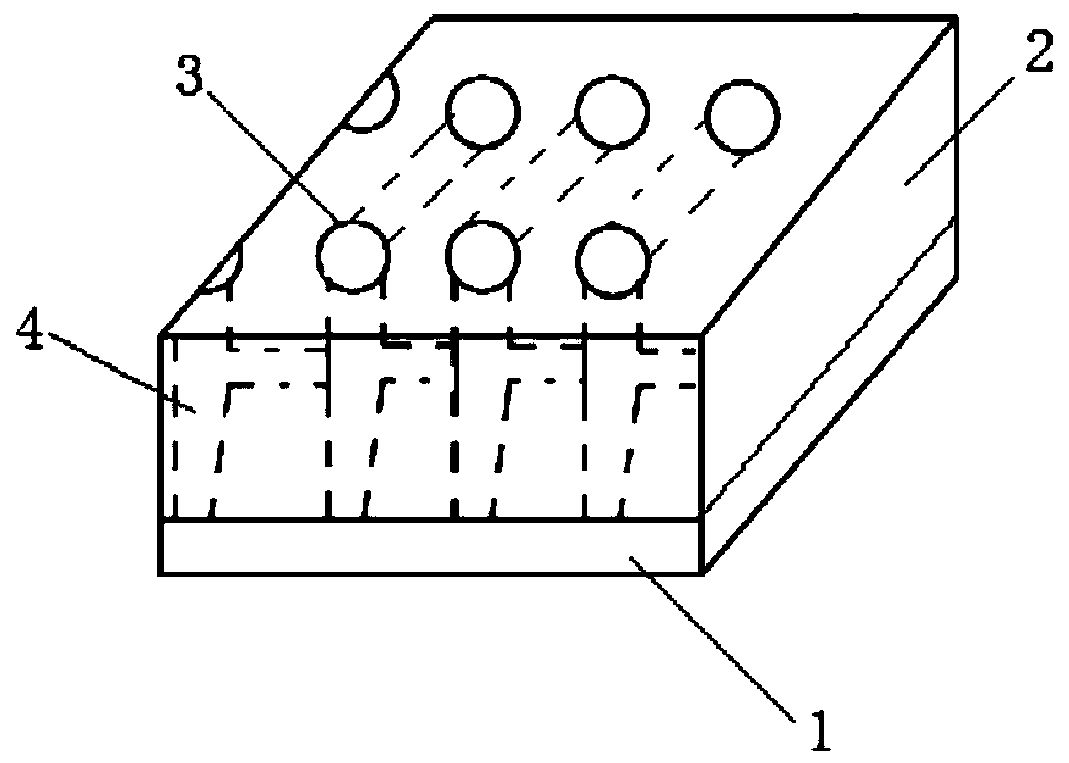
Figure 1 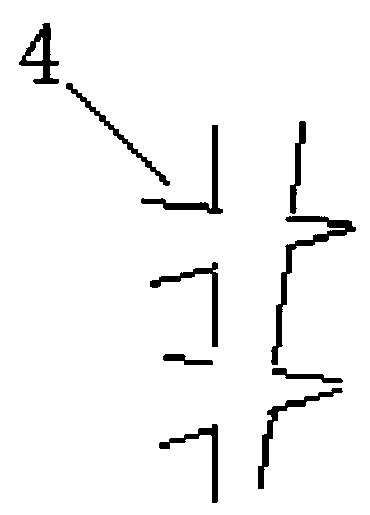
Figure 2
Abstract
Description
technical field
[0001] The invention relates to a manufacturing method of oral medical products, in particular to a design and manufacturing method of imitating the surface structure of a periodontal ligament dental implant. Background technique
[0002] The existing dental implant surface structure is not a three-dimensional penetrating structure. Although it can be used on dental implants, the main problems are: first, the surface structure of the implant is a single flat interface, and the surface osseointegration area without through pores is relatively small. Small, insufficient osseointegration, and can not effectively block the rapid invasion of periodontal bacteria, can not reduce the occurrence and progress of peri-implant inflammation; second, the elastic modulus of implant materials and human bone tissue is very different, prone to stress barrier, causing stress concentration at the implant-osseointegration interface, which cannot mimic the cushioning properties o...
Examples
Embodiment Construction
[0018] The following examples are used to illustrate the present invention, but are not intended to limit the scope of the present invention.
[0019] The design and manufacture method of a kind of artificial periodontal ligament dental implant surface structure of the present invention has the following steps:
[0020] 1) The dental implant is divided into 2 layers, designed with CAD software and generated with 3D printing software to print files;
[0021] 2) The inner layer is a solid structure, and the thickness of the outer layer is about 0.1-0.5mm, which is a gradient hollow structure with a gradually increasing porosity from the inside to the outside;
[0022] 3) The porosity of the innermost layer of the hollow structure is 0, and the porosity of the outermost layer is 50-80%;
[0023] 4) The shape of the trabeculae in the pores and gaps is a bone-like trabecular structure, and the pores are cylindrical, conical or frustum-shaped, with a cross-sectional diameter of abo...