
Organosilicon surfactant and application thereof in preparation of polyurethane flexible foam
A surfactant and silicone technology, applied in the chemical industry, can solve the problems of poor environmental protection, high hardness and resilience of polyurethane flexible foam, and achieve fine cells, low odor, and strong foam stability Effect
- Summary
- Abstract
- Description
- Claims
- Application Information
AI Technical Summary
Problems solved by technology
Method used
Image

Examples
Embodiment 1
[0048] Preparation of Silicone Surfactant
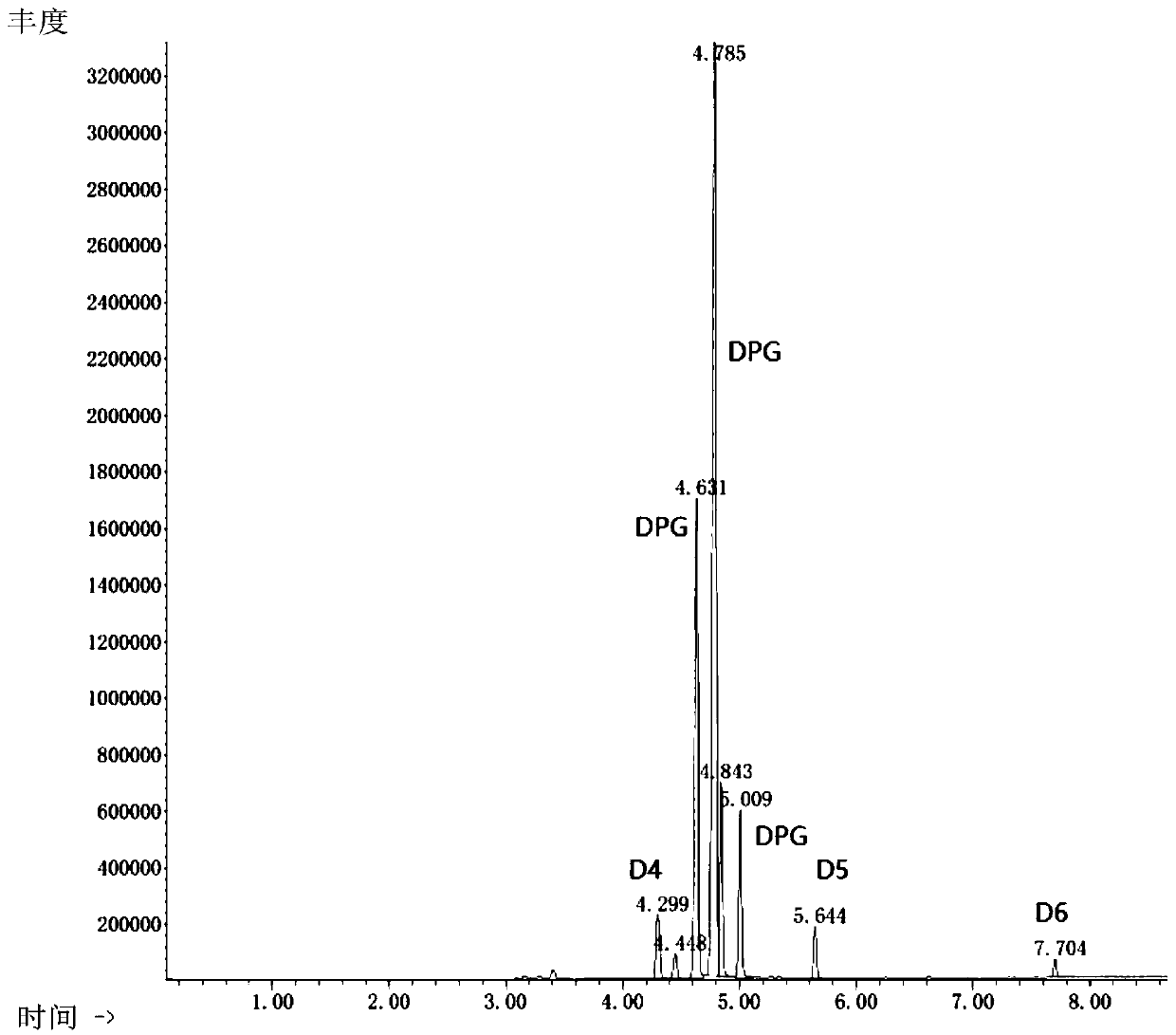
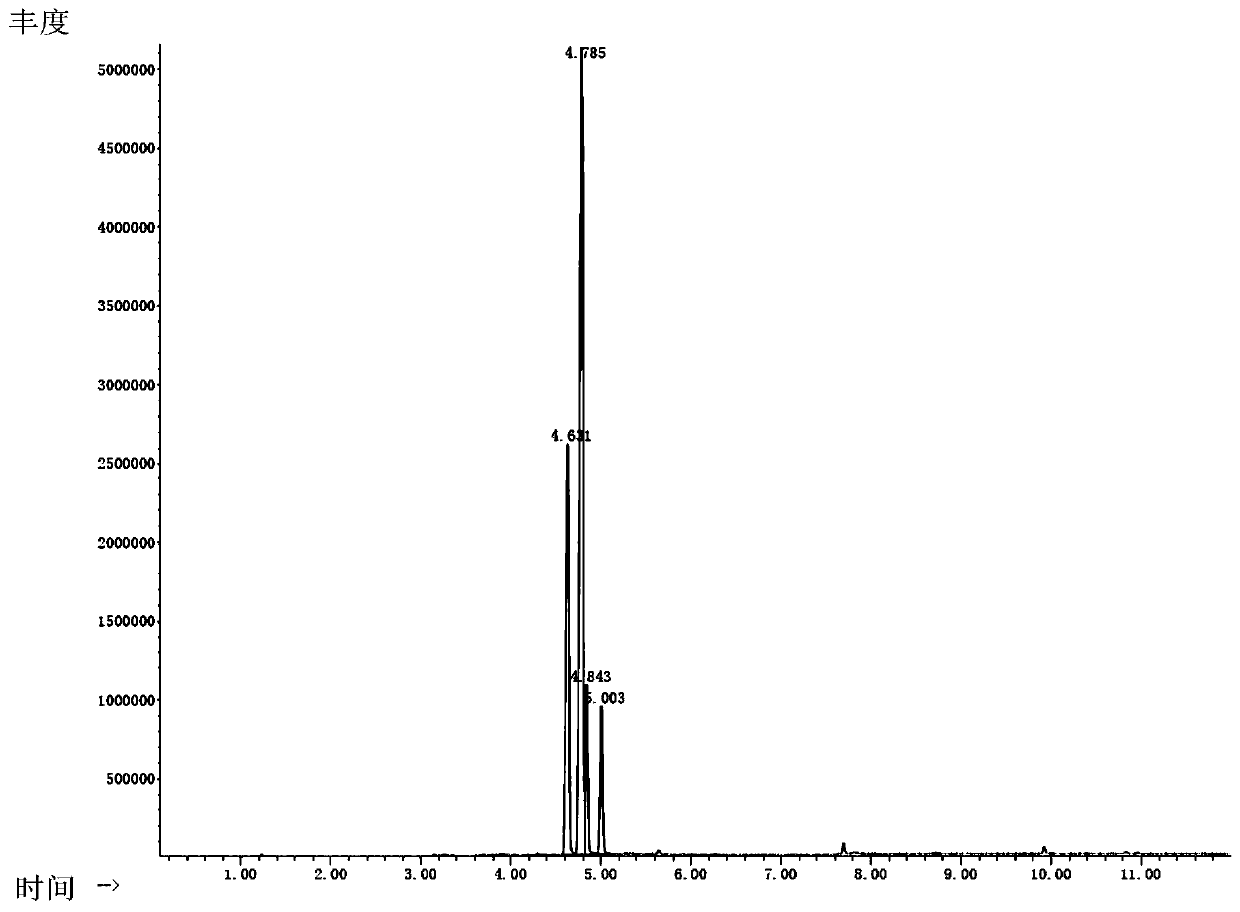
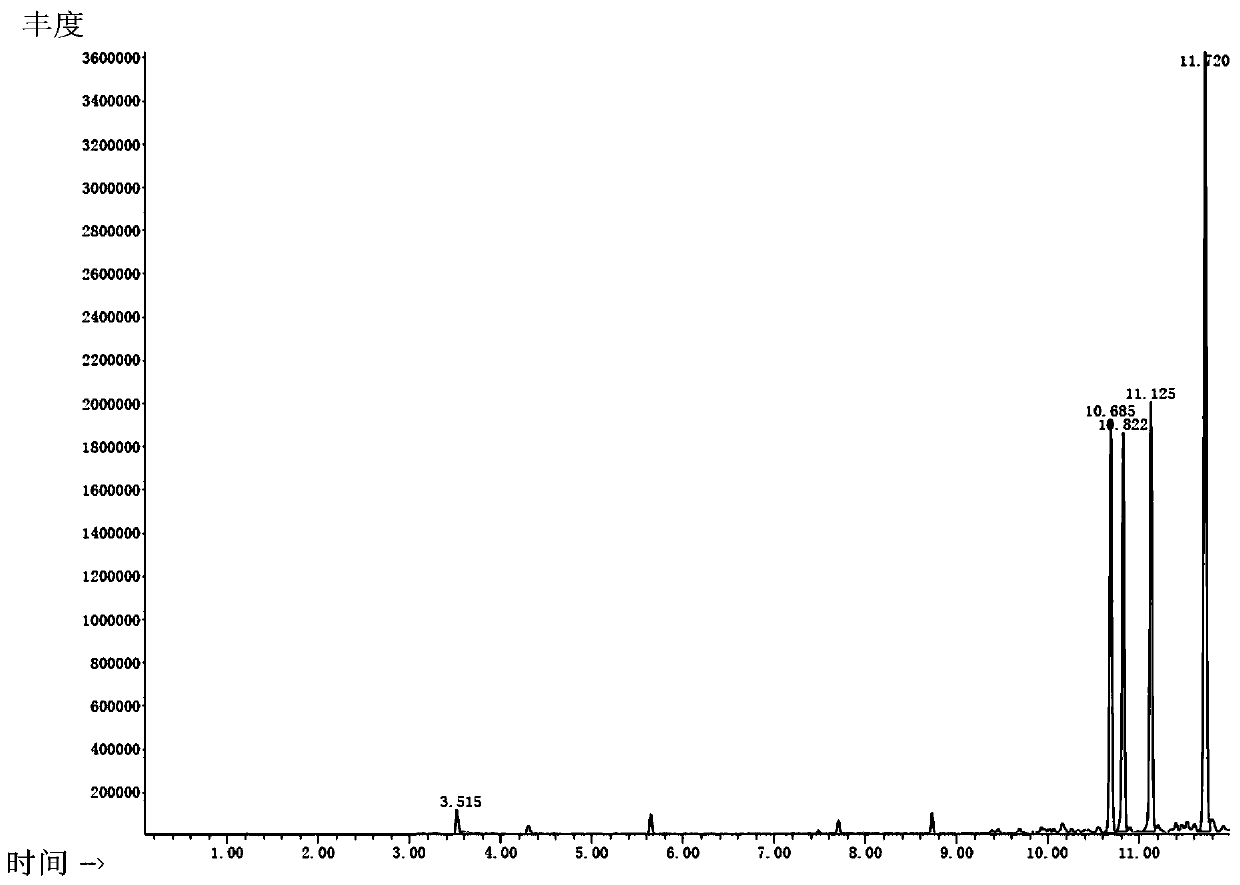
[0049] In a 250L reaction kettle with fixture, constant temperature function, mechanical stirring, thermocouple and nitrogen gas, add 32.8kg 2,5,8,11-tetramethyl-6-dodedecyne-5,8- The starting average molecular weight of diol is 550 Daltons of acetylene glycol polyoxyethylene ether (called polyether A). In the structural formula of acetylene glycol polyether, acetylene glycol group: propylene oxide group: ring The molar ratio of oxyethylene groups is 1:1:4; 150kg of polyoxyethylene ether (called polyether B) with an average molecular weight of 3000 Daltons (called polyether B) initiated by allyl alcohol is added. In B, the molar ratio of ethylene oxide group and propylene oxide group is 1:1.2, then 70kg low hydrogen-containing polysiloxane ( MD for short 80 D' 7 M) Put it into a four-neck flask, start stirring, heat to 80°C with a heating mantle, stir for 5 minutes, add 15ppm of Pt chloroplatinic acid ethanol solution, and react ...
Embodiment 2
[0051] Preparation of Silicone Surfactant
[0052] In a 250L four-neck flask with a fixture, constant temperature function, mechanical stirring, thermocouple and nitrogen, add 53kg of 4,7-dimethyl-5-decyne-4,7-diol starting A polyoxyethylene ether with an average molecular weight of 700 Daltons terminated by a methyl group (referred to as polyether A). The molar ratio of the alkyl group is 1:1:10; add 110kg of polyoxyethylene ether (called polyether B) with an average molecular weight of 3000 Daltons (called polyether B) initiated by allyl alcohol. , the mol ratio of oxirane group and propylene oxide group is 1:1, then 63kg low hydrogen-containing polysiloxane ( M'D for short 40 D' 5 M') into a four-neck flask, start stirring, heat to 80°C with a heating mantle, stir for 5 minutes, add 15ppm of Pt chloroplatinic acid ethanol solution, and react for 4 hours to obtain a clear and transparent light yellow organic silicon copolymer liquid , the organosilicon copolymer is pump...
PUM
| Property | Measurement | Unit |
|---|---|---|
| molecular weight | aaaaa | aaaaa |
| density | aaaaa | aaaaa |
| molecular weight | aaaaa | aaaaa |
Abstract
Description
Claims
Application Information
 Login to View More