
Methods and materials for treating burn injuries
a technology of burn injuries and burn materials, applied in the direction of prosthesis, drug compositions, peptide/protein ingredients, etc., can solve the problems of high morbidity and mortality rate, inability to achieve therapeutic results, and deep burns are very painful, etc., to achieve rapid healing, no scarring, and improved healing characteristics
- Summary
- Abstract
- Description
- Claims
- Application Information
AI Technical Summary
Benefits of technology
Problems solved by technology
Method used
Image

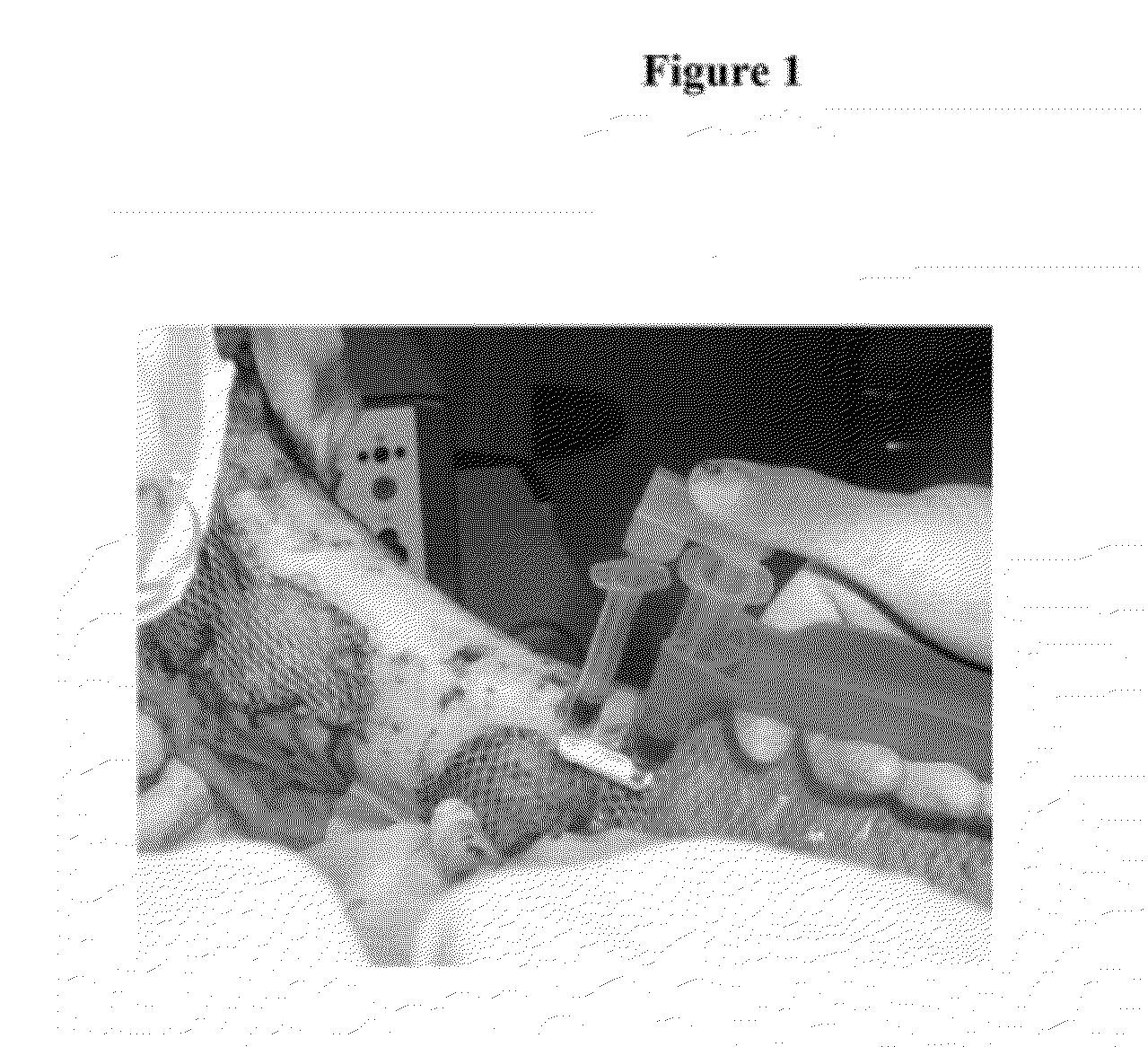
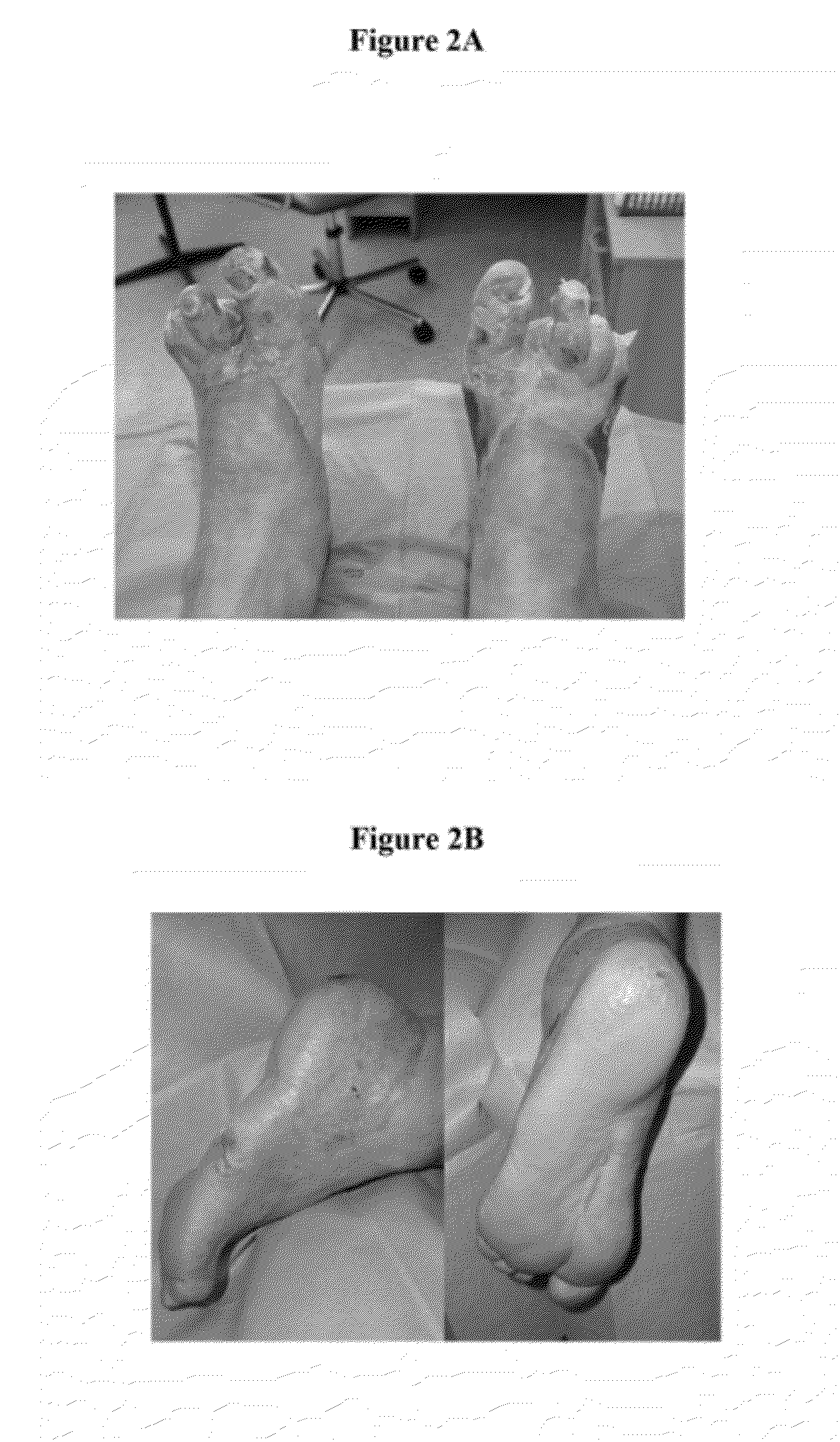
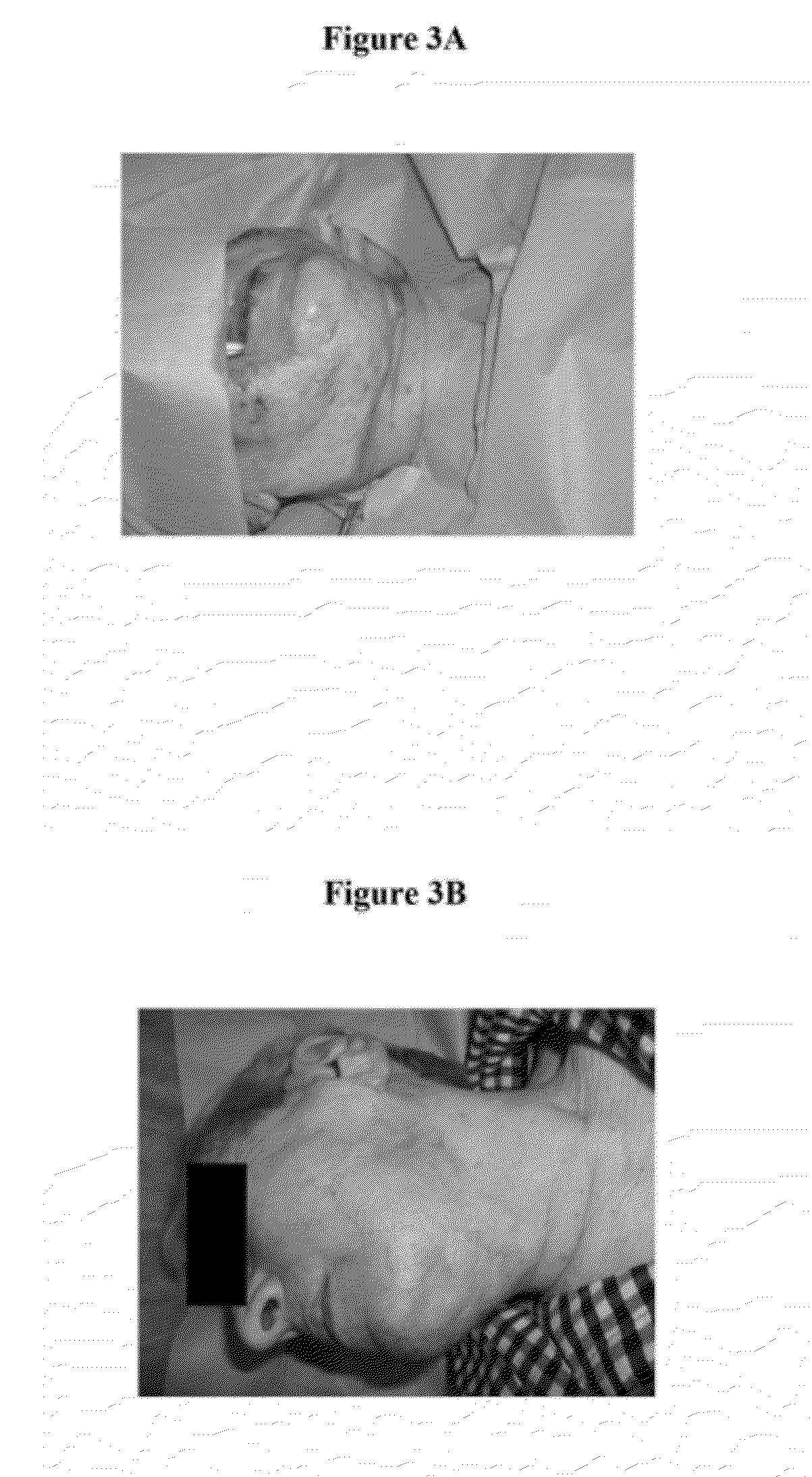
Examples
example 1
Autologous Platelets Concentrate and Human Autologous Thrombin for the Treatment of Deep Burns Trauma
[0027]17 patients (9 men, 8 women) were included in this study. The mean age was 56 years (range 33-83). Each patient signed informed consent with surgery treatment (i.e., surgical excision of devitalised tissue, dermoepidermal transplantation, and local transplantation of autologous platelet concentrate (APC) and autologous thrombin). The mean extent of deep burned skin with local transplantation of APC was 3% TBSA—Total Body Surface Area (range from 1.5% to 4% TBSA). The mechanism of burn injury was hot water, a flame, glowing liquid metal, or an explosion of gas. Seven patients were smokers, and 10 patients were non-smokers. One patient had diabetes mellitus type I and was on insulin therapy.
[0028]The inclusive criteria required each patient to be an adult patient (over 18 years of age) with deep burn injury indicated for surgery treatment (e.g., surgical excisions of devitalised ...
PUM
| Property | Measurement | Unit |
|---|---|---|
| area | aaaaa | aaaaa |
| elasticity | aaaaa | aaaaa |
| time | aaaaa | aaaaa |
Abstract
Description
Claims
Application Information
 Login to View More