[0015]Water-cooled
copper shoes, at the outer edges of the weld cavity, tend to chill the molten
weld metal next to the
copper shoes, chilling the molten weld meta before it can melt into the surface of the four corners of the weld cavity, thus causing incomplete fusion on the four corners of the weld cavity. The only way to overcome incomplete fusion is to substantially increase the welding
voltage to overcome the high cooling generated by the water-cooled shoes. Higher voltages generate more wattage, thus more heat (especially in the center of a weld cavity, especially in plate thicknesses over 3.00-inches).
[0017]Arcmatic's™ computer controlled
Electroslag welding processes
trade name is the “Vertaslag™
Welding Process”. Arcmatic™ has also developed a new version of its computer controlled narrow-gap
welding process that incorporates a multi-pass welding technique. This method of narrow-gap welding employs water-cooled copper welding shoes, air-cooled copper welding shoes, or articulated air-cooled copper welding shoes. One of the advantages of using air-cooled copper shoes is that the air flow can be adjusted during the welding operation to maintain a constant shoe temperature. The air-flow in the copper shoe allows the shoe temperature to go as high as 1000 degrees Fahrenheit. The air-cooled copper shoe temperature range for the preferred embodiment of automated
system and method for multi-pass computer controlled narrow-gap
Electroslag welding applications is 800 degrees Fahrenheit to 1000 degrees Fahrenheit. The temperature of
water cooled shoes cannot be allowed to go higher than 212 degrees Fahrenheit because at this temperature the heat starts generating steam, generating a “
vapor lock” which stops the flow of water, causing the temperature of the copper to rise to the
melting point, and stopping the weld. When the air-cooled copper welding shoes, or articulated air-cooled copper welding shoes are allowed to become hotter, the
high voltage necessary to get the weld to blend into the corners of the weld cavity can be substantially lowered, thus reducing the total heat input into the
parent material and reducing the grain size in the
weld metal, thus improving the weld
toughness and
ductility.
[0021]It was discovered that any given amperage and
voltage condition (wattage) input to the ESW molten flux, covering the
molten steel welding
puddle, substantially reduces the total heat input into the
parent material. It has been observed that the DCEP
half cycle of the AC
Square Wave produces higher heat input into the
parent material, and the DCEN produces lower heat input into the parent material. Therefore having the ability of setting the time cycle of the of DCEP, as opposed to DCEN allows adjustment of the heat input to the parent material to more closely control the shape of the
weld bead, and thus the amount of
base metal dilution of the
resultant weld puddle. Research and development continue to confirm these conditions.
[0022]Research indicates that VertaSlag (ESW-NG) welding with a
square wave AC
welding power supply controls the
weld bead shape, minimizes the
base metal dilution, reduces the total heat input into the parent material, and the reduces or eliminates any
magnetic field. Arcmatic, for the first time in welding history has use a
square wave Constant voltage AC welding power supply to produce ESW, NGI-ESW and ESW-NG welds. The
Constant Voltage allows the operator to increase or decrease the voltage to correspondingly increase or decrease
base metal dilution. Control of base
metal dilution directly controls the quality of the weld, since controlling the total heat input into the parent material reduces the grain size and produces a higher quality weld.
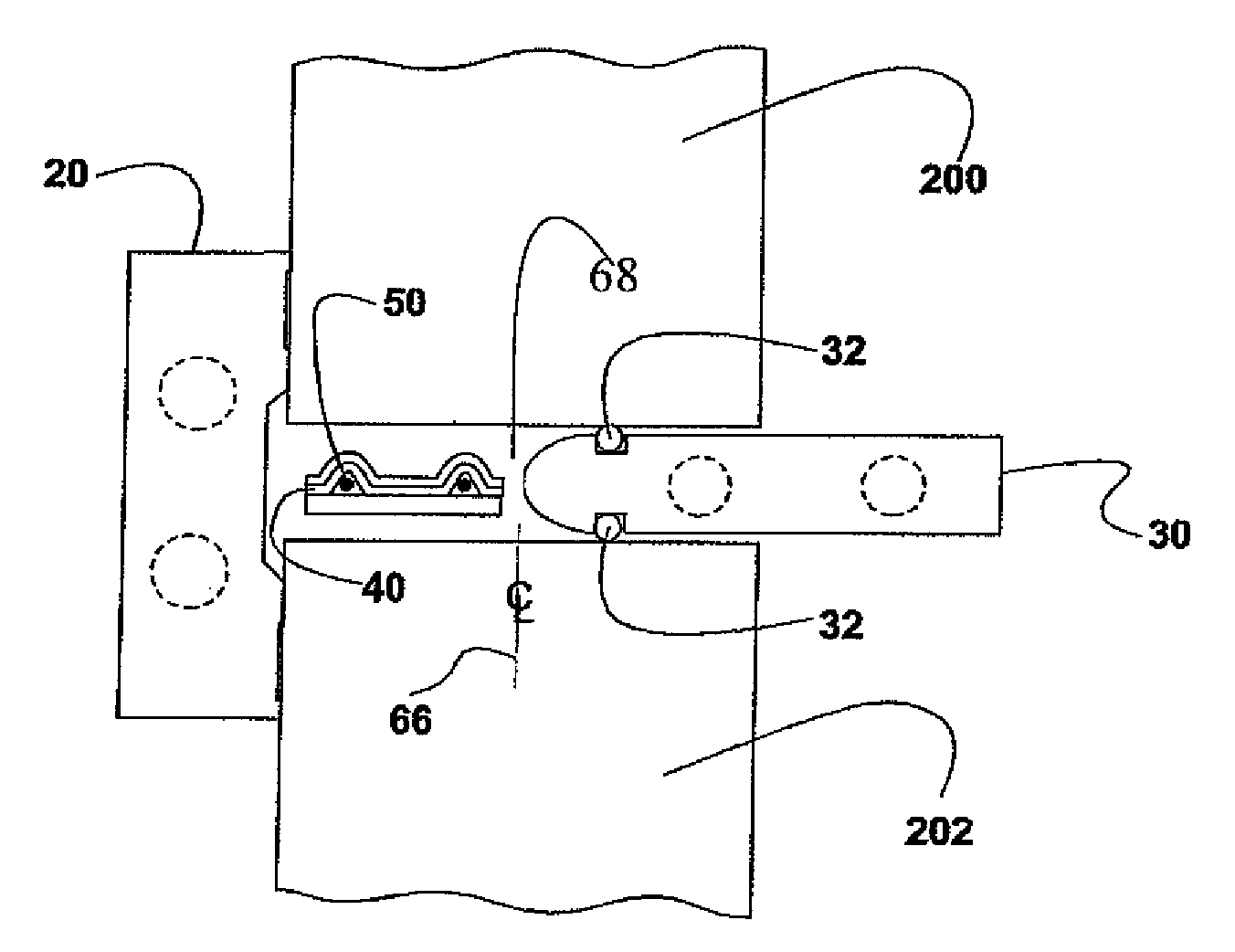
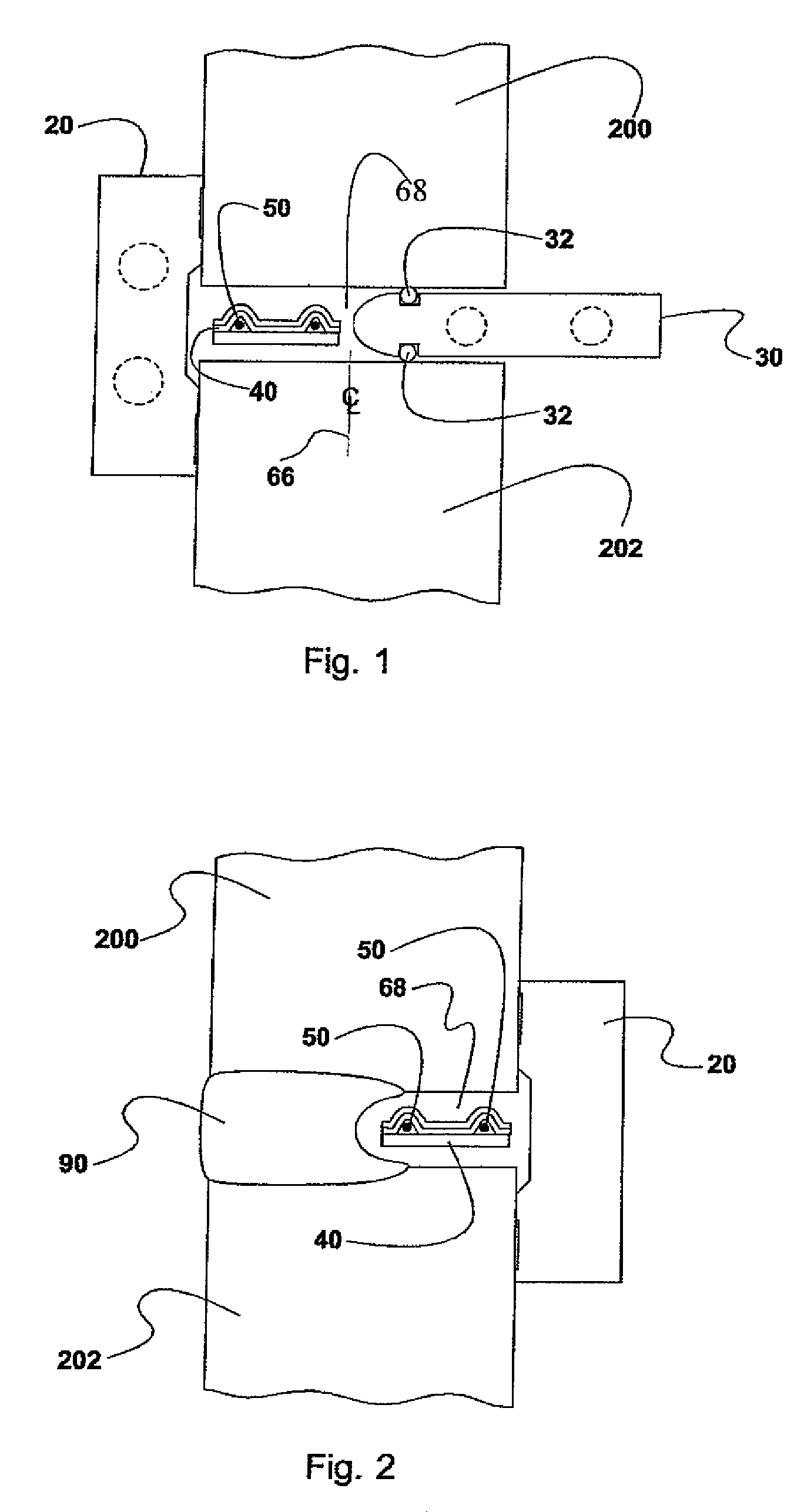
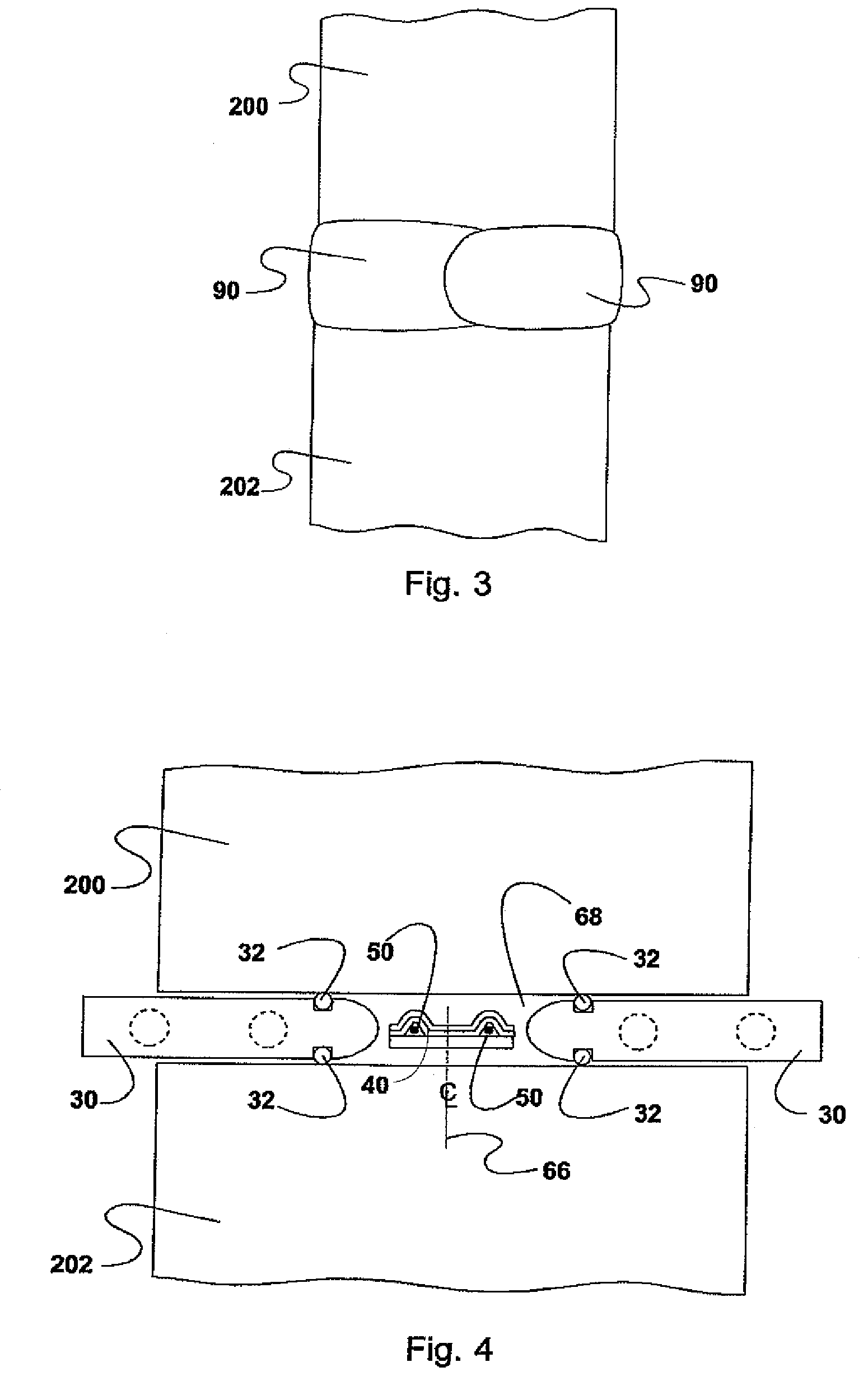
[0023]When making a multi-pass Electroslag weld using the system and method for multi-pass computer controlled narrow-gap Electroslag welding applications, a “Butt-weld copper shoe” shoe can be placed on one side of the weld cavity and an “Insert-weld copper shoe” can be placed inside the weld cavity to limit the width of each weld width. If the weld width for each pass is limited to 1.50-inches, the amount of heat input for each pass is reduced substantially. This method allows the welding operator to weld at a much faster “Vertical
Rate of Rise” (VRR), and at a much lower voltage, thus substantially reducing the total heat input for each weld pass. The result is a smaller HAZ, and a much smaller grain size providing consequently better
impact values (Charpy), elongation, tensile strength, and yield.


 Login to View More