Bacillus circulans WZ-12 and its application in microorganism resolving treatment of dichloromethane
What is AI technical title?
AI technical title is built by Patsnap AI team. It summarizes the technical point description of the patent document.
A technology of Bacillus circulans, methylene chloride, applied in the directions of microorganism-based methods, methods of using microorganisms, microorganisms, etc.
Inactive Publication Date: 2008-06-18
ZHEJIANG UNIV OF TECH +2
View PDF0 Cites 10 Cited by
Summary
Abstract
Description
Claims
Application Information
AI Technical Summary
This helps you quickly interpret patents by identifying the three key elements:
Problems solved by technology
Method used
Benefits of technology
Problems solved by technology
[0005] So far, there is no report on the biodegradation of Bacillus circulans using dichloromethane as carbon and energy sources
Method used
the structure of the environmentally friendly knitted fabric provided by the present invention; figure 2 Flow chart of the yarn wrapping machine for environmentally friendly knitted fabrics and storage devices; image 3 Is the parameter map of the yarn covering machine
View more
Image
Smart Image Click on the blue labels to locate them in the text.
Viewing Examples
Smart Image
Click on the blue label to locate the original text in one second.
Reading with bidirectional positioning of images and text.
Smart Image
Examples
Experimental program
Comparison scheme
Effect test
Embodiment 1
[0075] Example 1: Preparation, separation and purification of dichloromethane dehalogenase from strain WZ-12
[0076] (1) Enzyme-producing culture of the strains: using carbon-free Cha's liquid medium, culturing in seed medium to obtain bacterial suspension, 10ml bacterial suspension (1×10 6 ) Inoculate into a 250ml Erlenmeyer flask containing 100ml of enzyme-producing medium, cover the bottle tightly with a rubber stopper, shake culture at 30°C, CH 2 Cl 2 The final concentration is 32mmol / L, added in 4 times, 8mmol / L each time, pH 7.5, 48h to terminate the culture, to obtain the enzyme-producing culture.
[0077] The final concentration of each component of the seed medium is: NaNO 3 , 2g; K 2 HPO 4 , 1g; KCl, 0.5g; MgSO 4 ·7H 2 O, 0.5g; Fe SO 4 , 0.01g; H 2 O, 1000ml; pH7.0~7.2. Sterilize at 121°C for 20 minutes. Gaseous carbon source CH 2 Cl 2 The final concentration is 32 mM, and it is added in 4 times during culture.
[0078] The final concentration of each component of the e...
Embodiment 2
[0085] Example 2: Application of strain WZ-12 in the treatment of methylene chloride by biological filtration
[0086] (1) Strain culture: use carbon-free Chase solid medium such as Picture 9 Method of cultivation, first spread the strain on the surface of the solid medium, then add a large piece of sterile cotton on the lid of the dish, drop an appropriate amount of dichloromethane into the cotton, cultivate at 30°C, and add dichloromethane regularly. Add sterile normal saline to the cotton on the control plate. After culturing for 2 to 3 days, the obtained single colony is transferred to the inclined surface of the large test tube, and cotton with dichloromethane is placed on the opposite side of the inclined surface of the test tube wall to obtain the inclined surface bacteria. Kind.
[0087] (2) Strain expansion culture: the slant strain is cultivated in the seed medium to obtain a bacterial suspension, 50ml bacterial suspension (cell concentration 1×10 6 Pieces / mL) inoculate ...
Embodiment 3
[0089] Example 3: Using industrial microbial breeding methods to improve the efficiency of methylene chloride degradation
the structure of the environmentally friendly knitted fabric provided by the present invention; figure 2 Flow chart of the yarn wrapping machine for environmentally friendly knitted fabrics and storage devices; image 3 Is the parameter map of the yarn covering machine
Login to View More
PUM
Login to View More
Abstract
The present invention provides a new strain of bacillus circulans WZ-12 which can degrade methylenechloride and an application of the bacillus circulans WZ-12 for microorganism to decompose and dispose the methylenechloride and preparing for methylenechloridedehalogenase. The bacillus circulans WZ-12 is conserved in the China Center for Typical Culture Collection; the conserving date is 19th, January, 2007; the conserving serial number CCTCC No. is M207006. The beneficial effect of the present invention mainly lies in providing the new strain of the bacillus circulans WZ-12 which can degrade the methylene chloride, the bacillus can degrade the methylene chloride fast under the aerobic condition, which provides important base for researching into the biological degradation mechanism of halohydrocarbon organic pollutant represented by the methylene chloride, and the bacillus can also be applied to a biological disposal technology of organic waste gas directly. Besides, the strain is wild type with very clear genetic background, which is fit for genetic improvement and is hopeful to improve the capability of disposing the organic waste gas greatly.
the structure of the environmentally friendly knitted fabric provided by the present invention; figure 2 Flow chart of the yarn wrapping machine for environmentally friendly knitted fabrics and storage devices; image 3 Is the parameter map of the yarn covering machine
Login to View More
Application Information
Patent Timeline
Application Date:The date an application was filed.
Publication Date:The date a patent or application was officially published.
First Publication Date:The earliest publication date of a patent with the same application number.
Issue Date:Publication date of the patent grant document.
PCT Entry Date:The Entry date of PCT National Phase.
Estimated Expiry Date:The statutory expiry date of a patent right according to the Patent Law, and it is the longest term of protection that the patent right can achieve without the termination of the patent right due to other reasons(Term extension factor has been taken into account ).
Invalid Date:Actual expiry date is based on effective date or publication date of legal transaction data of invalid patent.



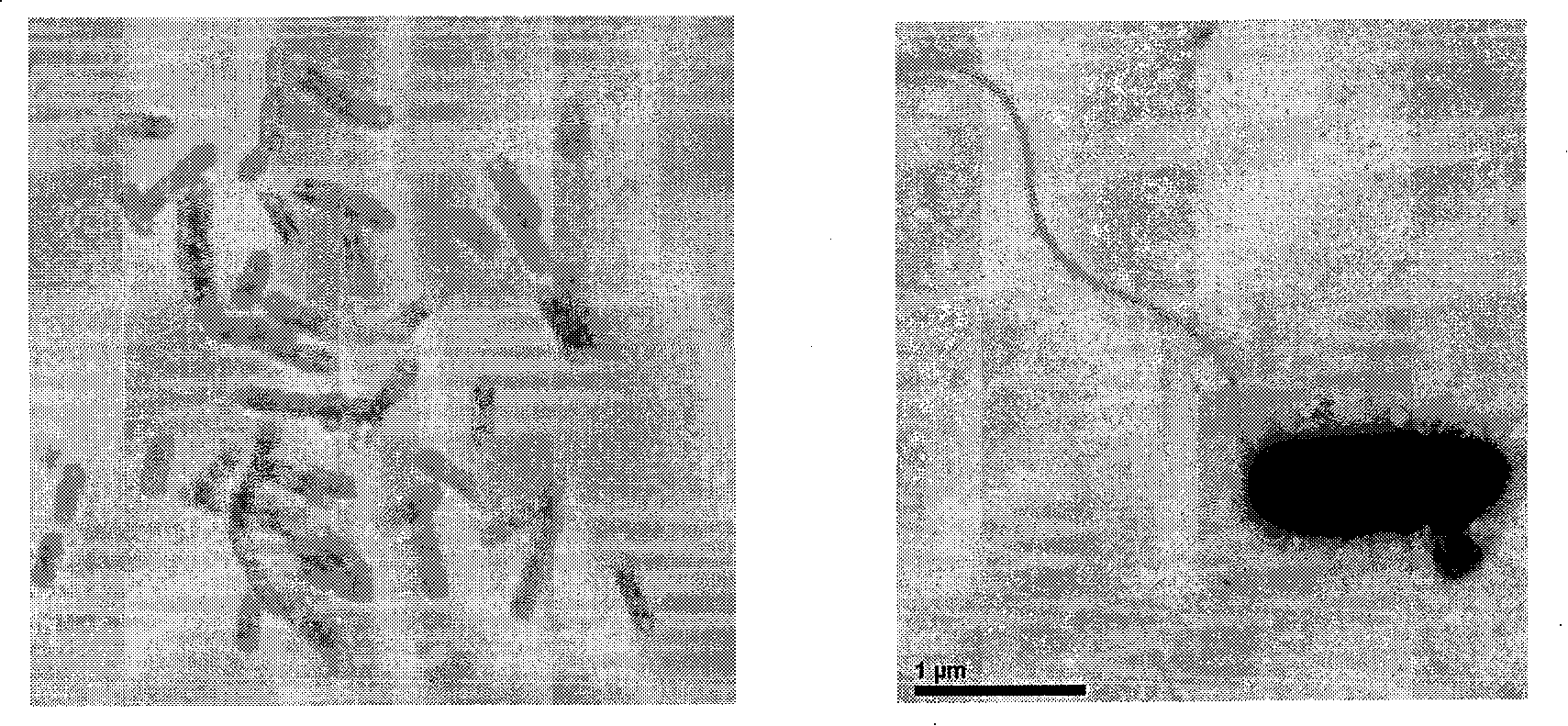
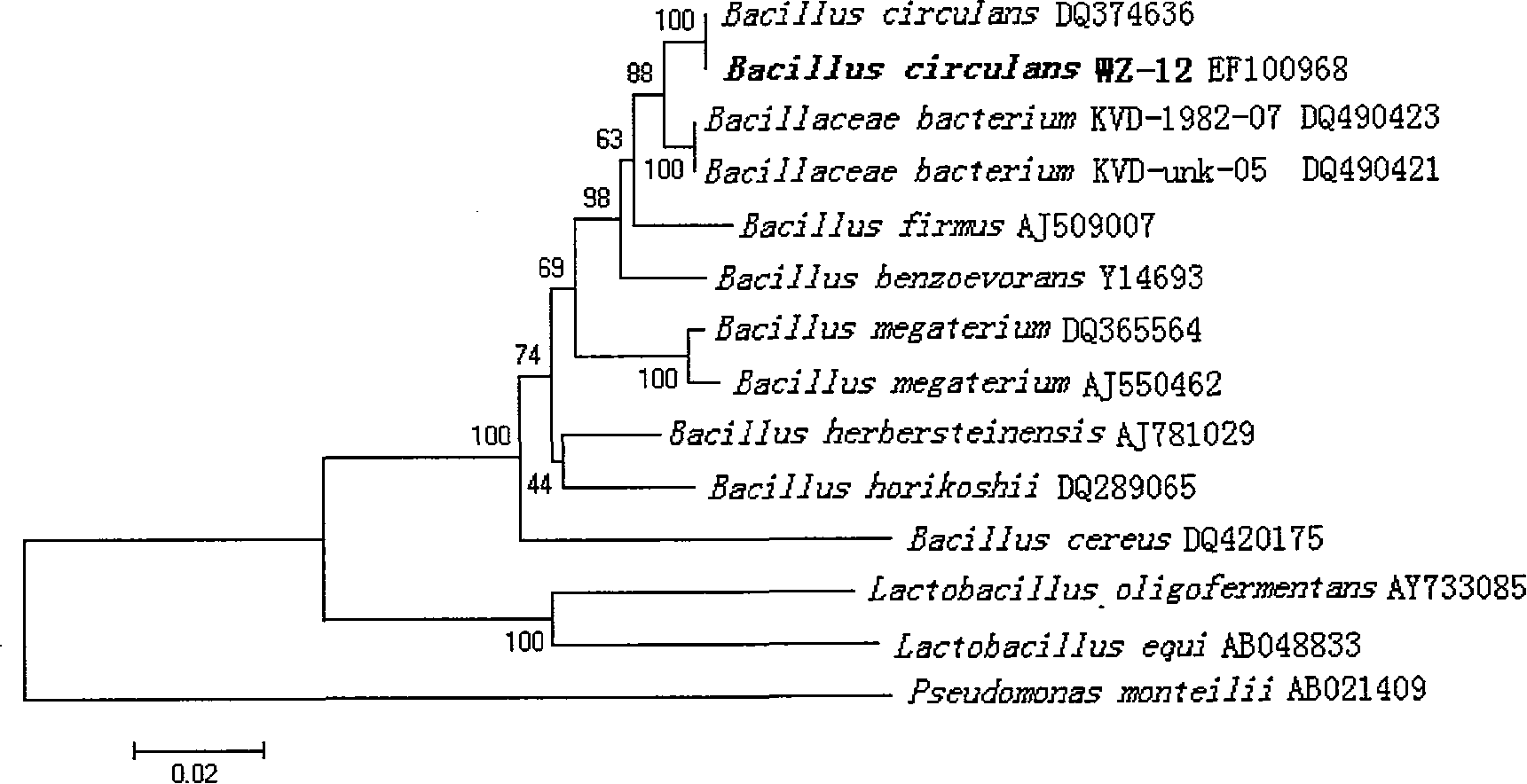
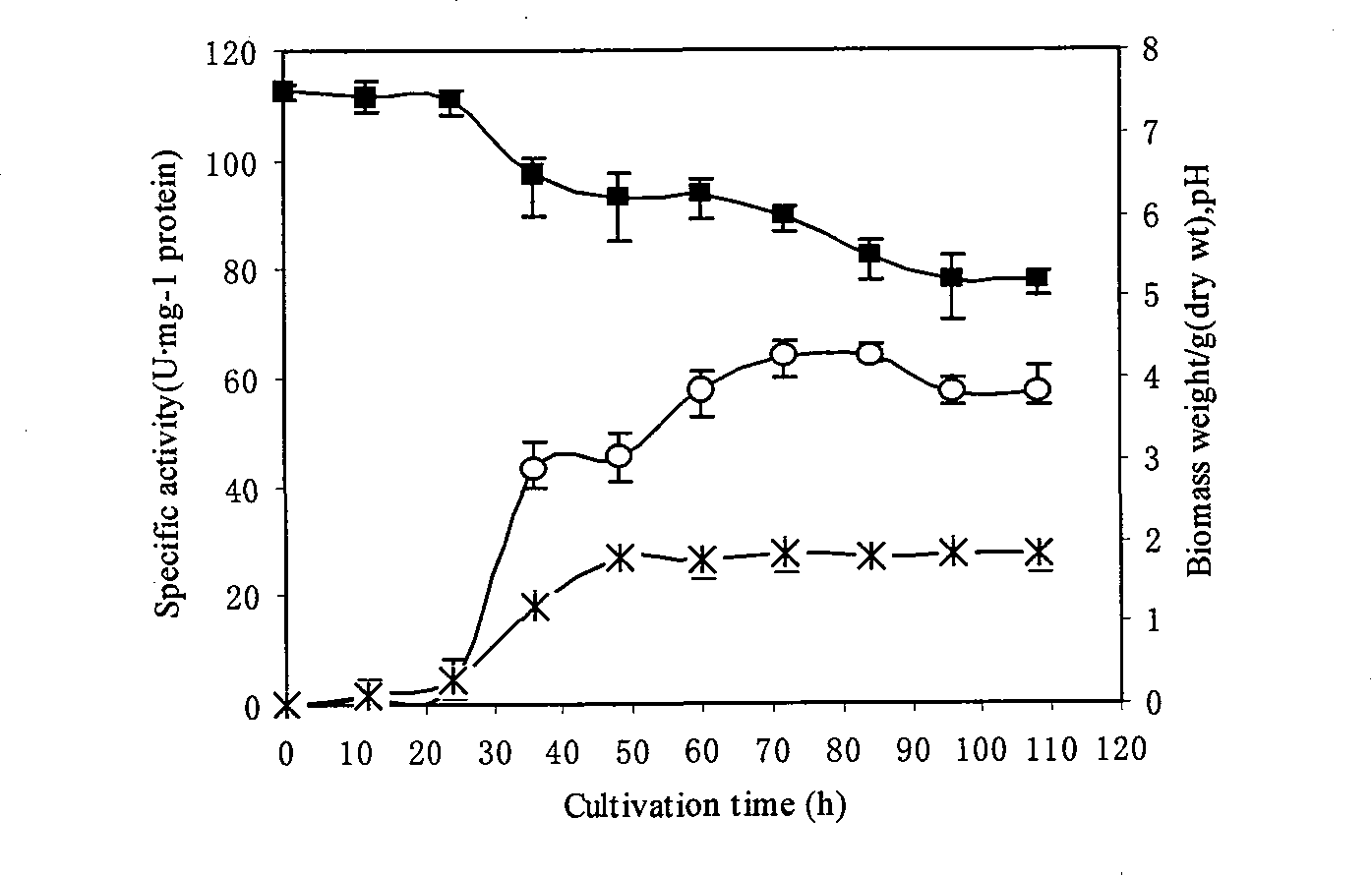
 Login to View More
  Login to View More