
Preparation method and application of ivabradine structural analogue or acid salt thereof
An ivabradine technology with a similar structure, applied in the field of medicine, can solve the problems of complicated operation, long steps, difficult side chain synthesis, etc., and achieve the effects of high yield, simple operation and mild reaction conditions
Patent Information
- Authority / Receiving Office
- CN · China
- Current Assignee / Owner
- Publication Date
- 2019-07-05
Smart Images
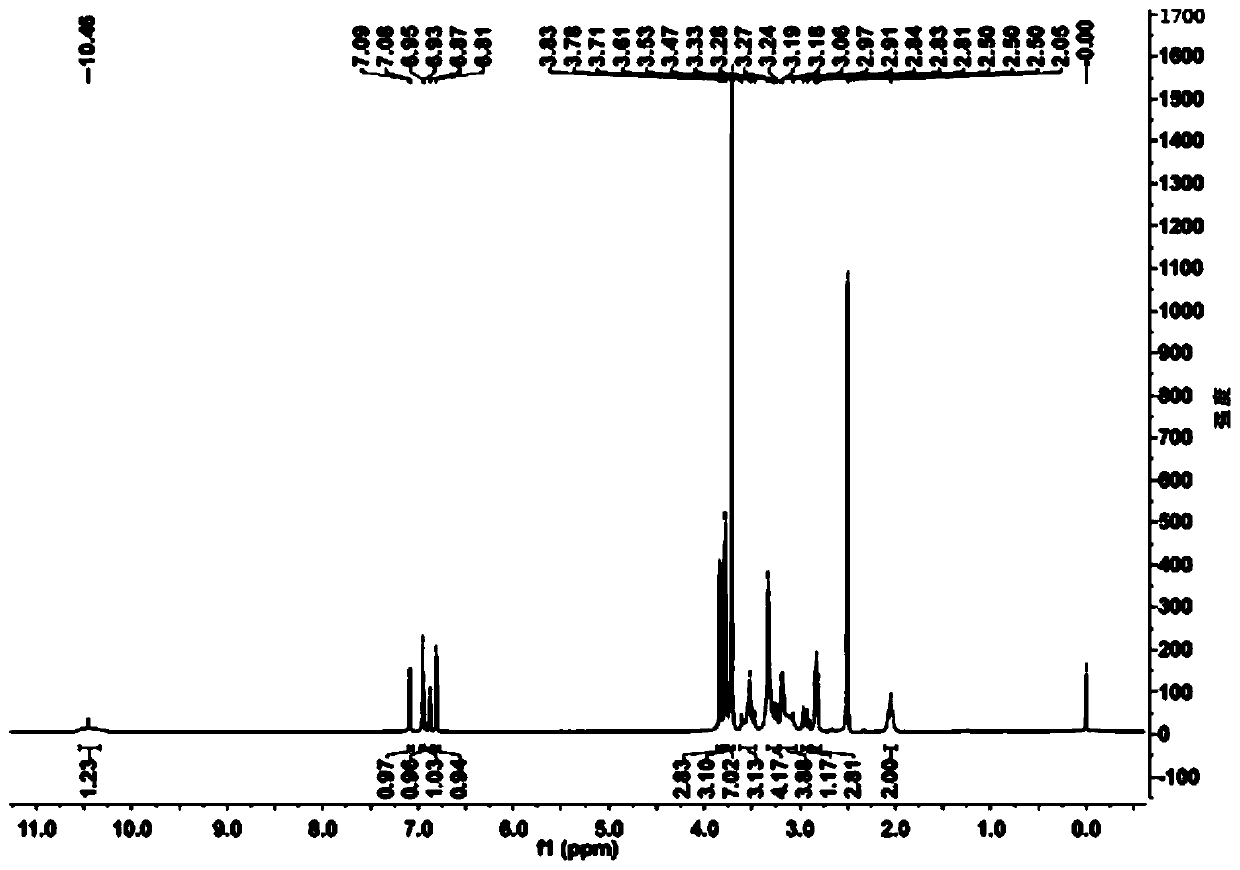
Figure 1 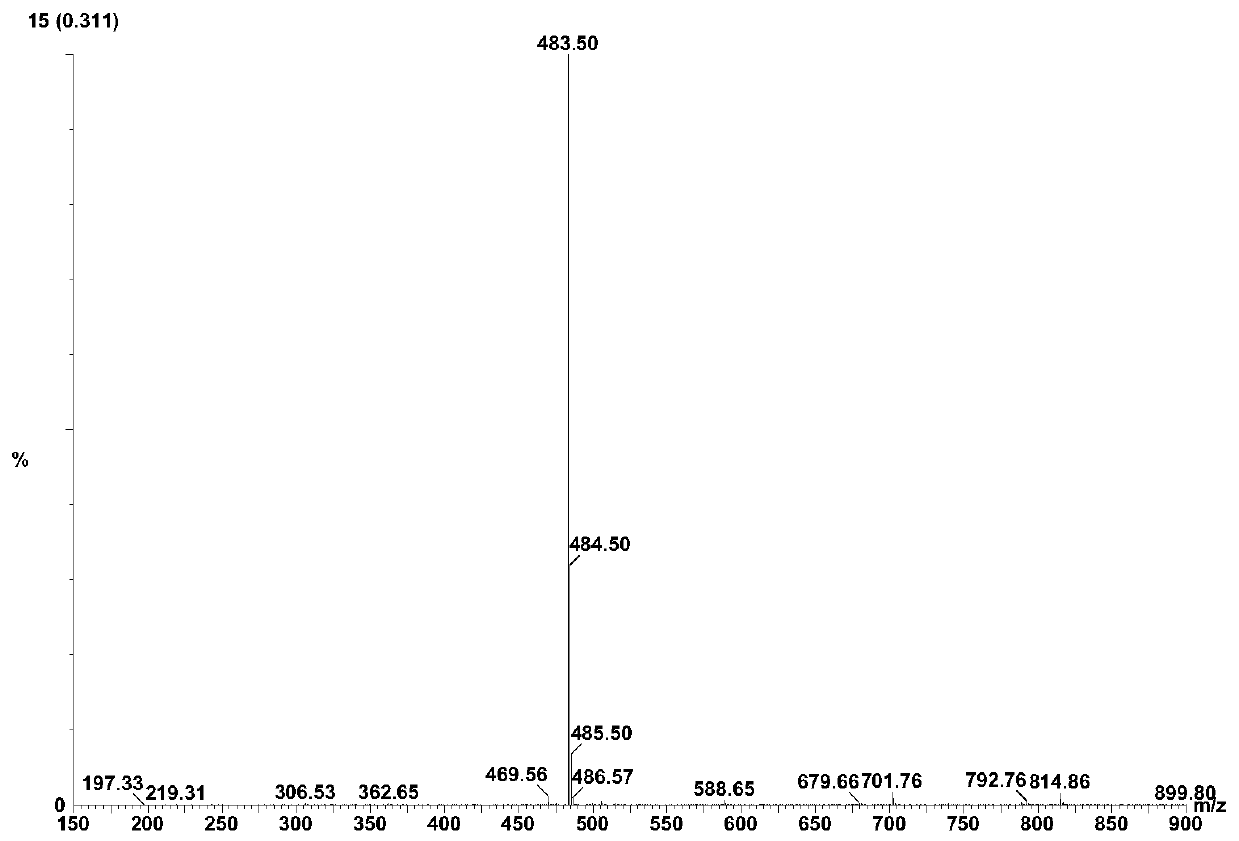
Figure 2 
Figure 3
Abstract
Description
technical field
[0001] The present invention relates to but not limited to the field of medicine, in particular to but not limited to the preparation method of ivabradine structural analog or its salt and the use as impurity reference substance in quality control. Background technique
[0002] Ivabradine hydrochloride (Ivabradine hydrochloride, CAS: 148849-67-6) was developed by the French company Servier (Servier), and was first approved for marketing in Ireland by the European Medicines Agency (EMA) in 2006. Approved for listing in China in 2015, the product name is Kelante TM , the marketed dosage form is tablet (specification: 5mg, 7.5mg), which is clinically suitable for patients with NYHA Ⅱ~Ⅳ chronic heart failure with sinus rhythm and heart rate ≥ 75 beats / min, accompanied by systolic dysfunction, and standard treatment includes Beta-blocker combination therapy, or when beta-blocker therapy is contraindicated or intolerable. The chemical name of ivabradine hydrochl...
Examples
Embodiment 1
[0055] The preparation of embodiment 1 formula (I-3) compound
[0056] Add 150ml of N-methylpyrrolidone into a 250ml reaction flask, add 15.0g of ivabradine (ie, the compound of formula (II-1)) and 10.0g of manganese dioxide under stirring, and stir and heat up to 90-100°C for complete reaction. The reaction solution was lowered to room temperature, filtered to obtain a filtrate, 50ml of saturated brine and 100ml of dichloromethane were added to the filtrate, the organic phase was extracted and separated, dried over anhydrous sodium sulfate, and the organic phase was concentrated under reduced pressure to obtain a brown oily concentrate. The concentrate was dissolved in 30ml of tetrahydrofuran, and an appropriate amount of concentrated hydrochloric acid was added dropwise under stirring to form a salt, and an appropriate amount of n-heptane was added to slowly crystallize to obtain a brown solid compound of formula (I-3), with a yield of 58%.
[0057]
Embodiment 2
[0058] The preparation of embodiment 2 formula (I-3) compound
[0059] Add 100ml of acetonitrile to a 250ml reaction flask, add 20.0g of ivabradine, 12.0g of tert-butyl hydroperoxide and 1.2g of ketone iodide while stirring, and heat up to reflux with stirring. The reaction solution was cooled to 40-50°C, concentrated under reduced pressure to remove the organic solvent, then added 50ml of water and 50ml of ethyl acetate, extracted and separated to obtain an organic phase, dried over anhydrous sodium sulfate, added 20ml of methanol, and added dropwise an appropriate amount of Concentrated hydrochloric acid was used to form a salt, and the organic phase was concentrated under reduced pressure to obtain a brown foamy compound, which was beaten with methyl tert-butyl ether to obtain a brown solid compound of formula (I-3), with a yield of 62%.
Embodiment 3
[0060] The preparation of embodiment 3 formula (I-3) compound
[0061] Add 20ml of water and 80ml of 1,4-dioxane into a 250ml reaction bottle, add 18.0g of ivabradine and 9.0g of selenium dioxide under stirring, and stir and heat up until the reflux reaction is complete. The reaction solution was cooled to 50-60°C, concentrated under reduced pressure to remove the organic solvent, then added 50ml of water and 100ml of dichloromethane, extracted and separated to obtain an organic phase, dried over anhydrous sodium sulfate, concentrated under reduced pressure to obtain a brown oily concentrate . The concentrate was dissolved in 20ml of acetone, and an appropriate amount of concentrated hydrochloric acid was added dropwise with stirring to form a salt, and an appropriate amount of n-hexane was added to slowly crystallize to obtain a brown solid compound of formula (I-3), with a yield of 81%. HPLC purity test 99.1%; 1 H-NMR (400MHz, d 6 -DMSO)δ: 10.46(s,1H), 7.08(d,1H), 6.95(s,...