The existing earthworm biocomposting technology basically has no pre-treatment technology or uses simple organic auxiliary materials as additives to adjust the sludge carbon-
nitrogen ratio to make the sludge more suitable for earthworms to survive. However, this treatment is too extensive, prone to earthworm diseases and often leads to abnormal death of earthworms , is no longer suitable for large-scale production; at present, earthworm composting sites are mainly ground earthworm breeding beds in the
open air or earthworm ground breeding beds or ponds in ordinary greenhouses, which are likely to cause secondary damage to soil and
groundwater caused by the
leachate of sludge and other biological composting raw materials.
Pollution, even if the ground culture
bed has been treated with anti-seepage treatment, it is very difficult to control the
leachate collection and bio-composting environment, and it is impossible to achieve centralized collection and unified harmless treatment; the existing open-air or ordinary
greenhouse bio-composting can only Single-layer composting on the ground, the composting site
utilization rate is low, and the
land use area is too large, so that the
living environment of earthworms in earthworm bio-composting cannot be effectively controlled, such as temperature,
humidity, Ph value and
pathogenic bacteria in the ground soil, causing earthworms to easily Causes seasonal large-scale death; and the
utilization rate of composting sites is low. Excessive use of land is a great waste of
land resources and greatly reduces production efficiency; traditional earthworm biocomposting relies on manual feeding, which is inefficient and unable to control the exact amount of feeding And the
secondary treatment of raw materials, and the production environment is difficult to control, raw materials such as sludge are easily scattered in the site, resulting in dirty and smelly site; traditional earthworm biocomposting relies on open-air or vegetable
greenhouse ground cultivation, which cannot effectively control the
living environment of earthworms, such as Temperature,
humidity, Ph value, etc., let alone control the amount of
compost raw materials, resulting in unstable
growth cycle of earthworms, unstable composting
completion time, unable to achieve industrialized quantitative production, that is, modular production cannot be achieved, and in the face of business changes It is impossible to quickly control the production scale, especially when the business volume increases, it is impossible to accurately increase production sites and facilities according to the increased business volume, and it is impossible to accurately calculate production costs, which leads to miscalculation of corporate profits during the production process, resulting in production failures. Enterprises misjudged production decisions; finished earthworms after bio-composting need to be separated for bait sales or later
deep processing. Traditional earthworm separation relies on artificial scraping of earthworms layer by layer according to the light-proof nature of earthworms.
Earthworm dung, use
sunlight to make earthworms crawl down, and when all the surface earthworm dung is scraped off, pure earthworms are left. This method takes a long time, takes up a lot of labor and space, and is efficient underground; the production of traditional earthworm biocomposting sludge depends on Purchase earthworms from
cow dung worm farms. During the production process, the earthworm cocoons produced by earthworms directly enter the
fertilizer production process, which cannot be effectively used, resulting in a lot of waste, and also makes earthworm biocomposting unable to get rid of the dependence on
cow dung earthworms. , which greatly restricts the production scale and stability; the traditional
vermicompost drying device mainly uses traditional energy, which has
high energy consumption and low degree of
automation, which is neither economical nor
environmentally friendly.



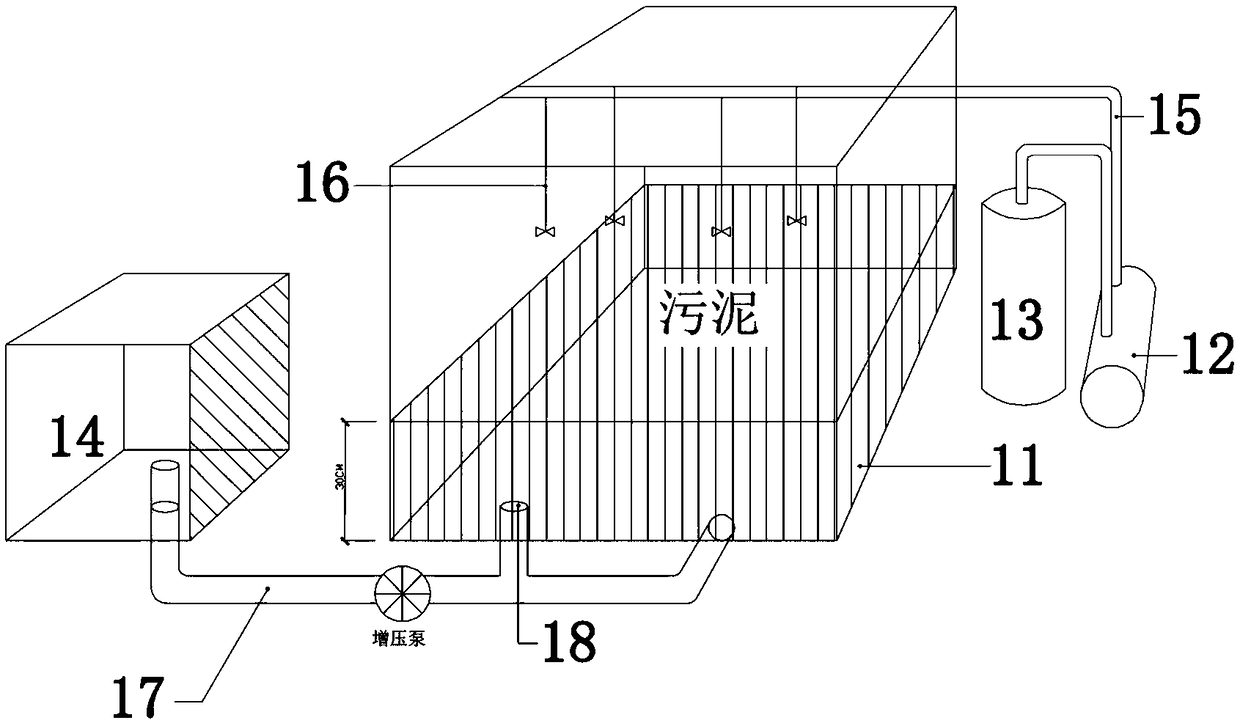
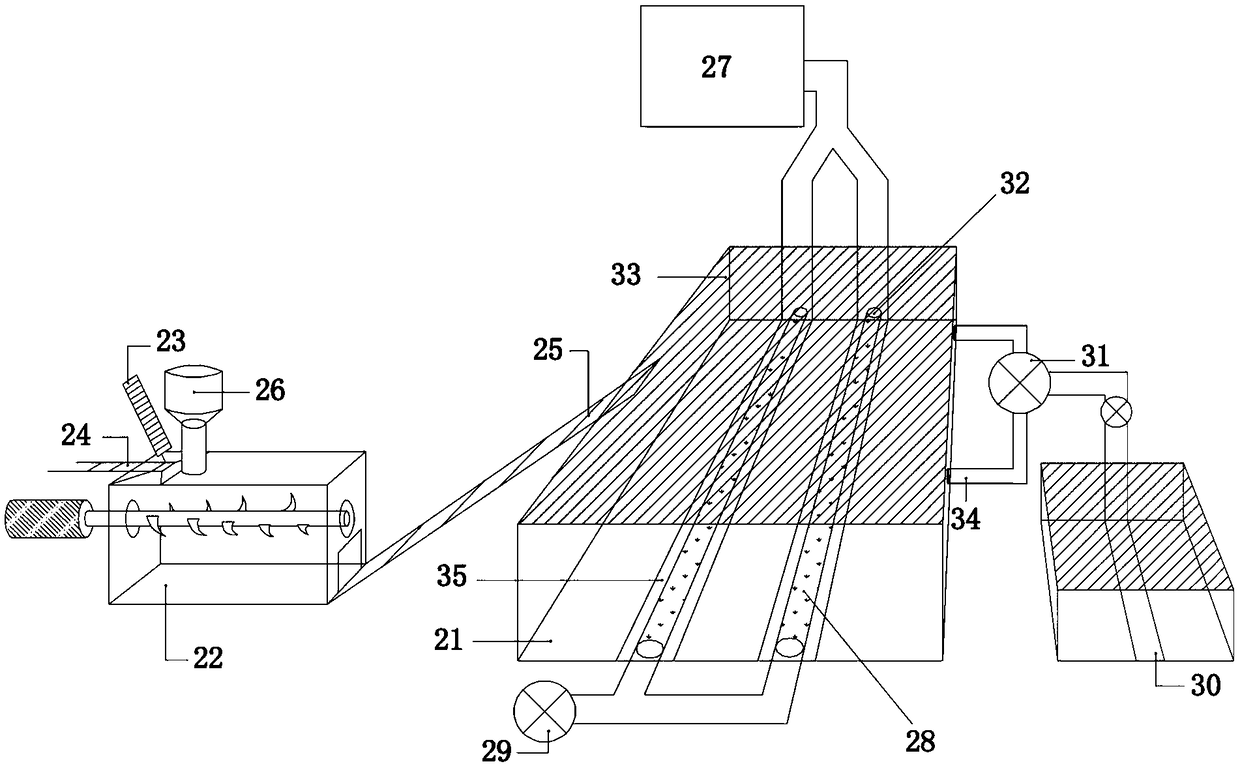
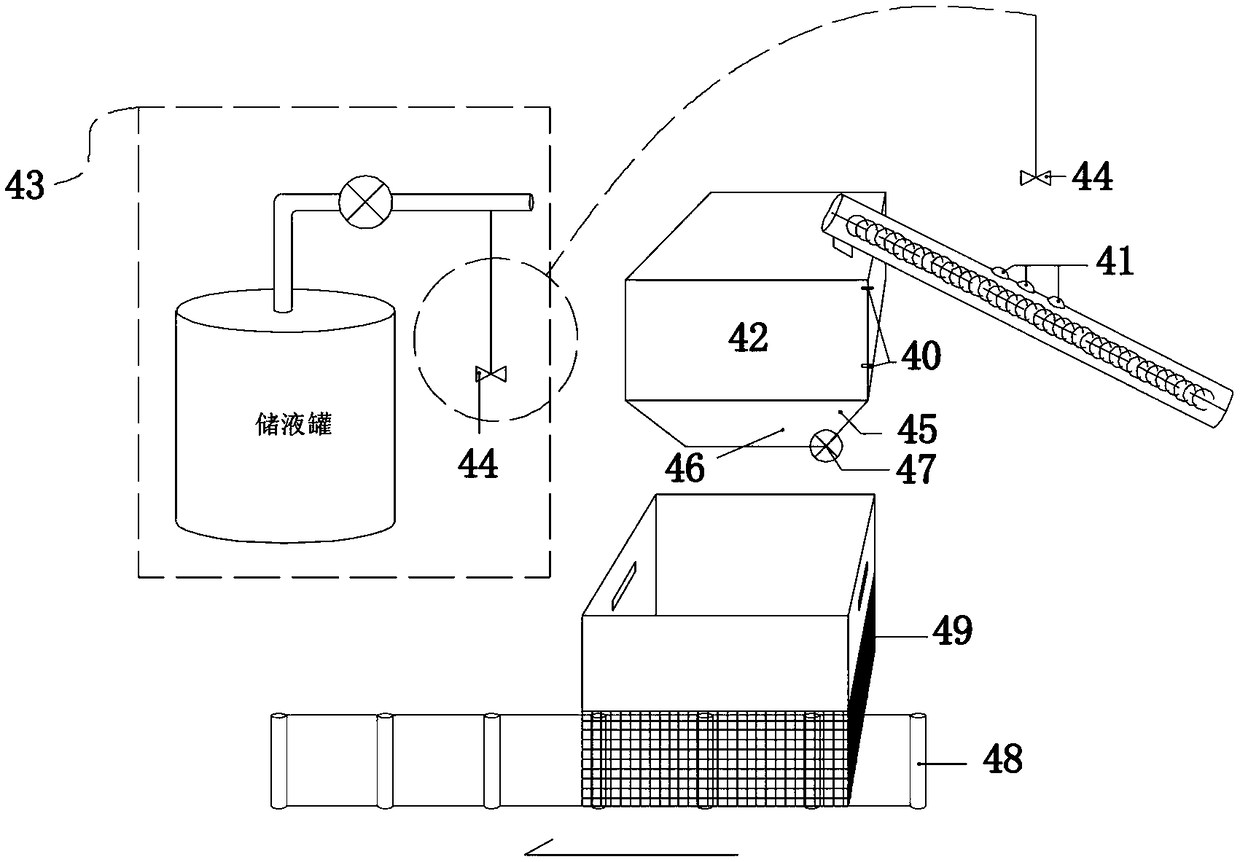
 Login to View More
  Login to View More