
Treatment of anxiety disorders and autism spectrum disorders
- Summary
- Abstract
- Description
- Claims
- Application Information
AI Technical Summary
Benefits of technology
Problems solved by technology
Method used
Image

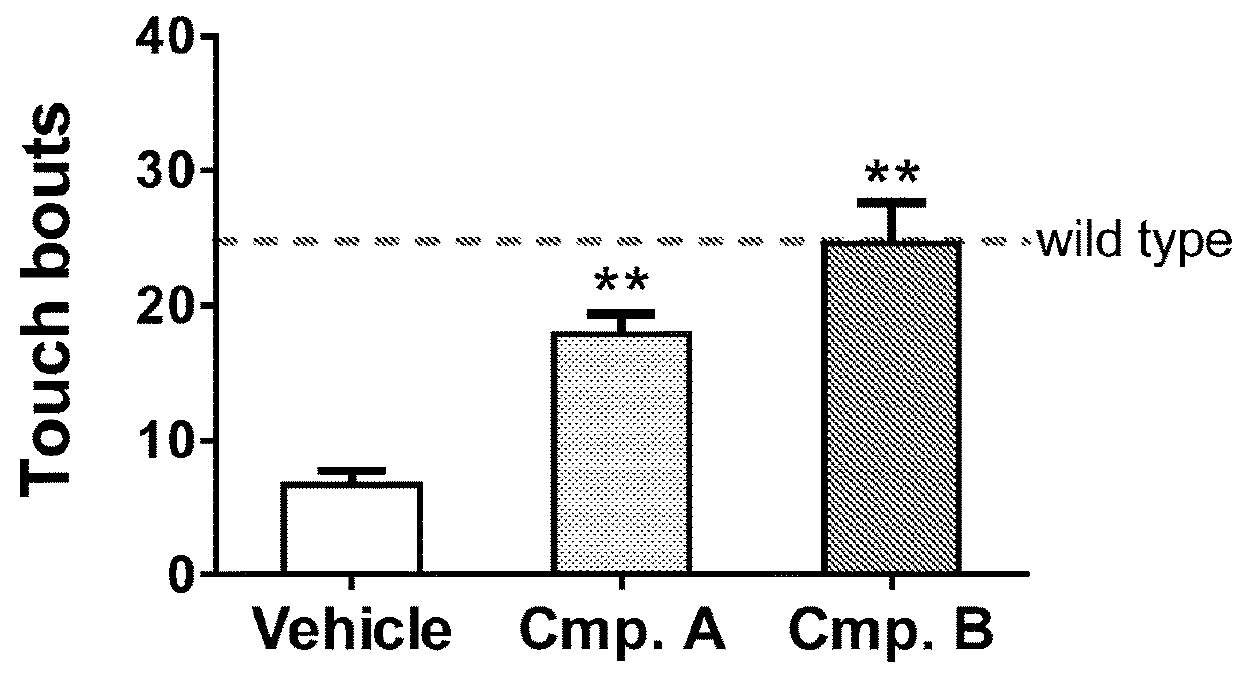
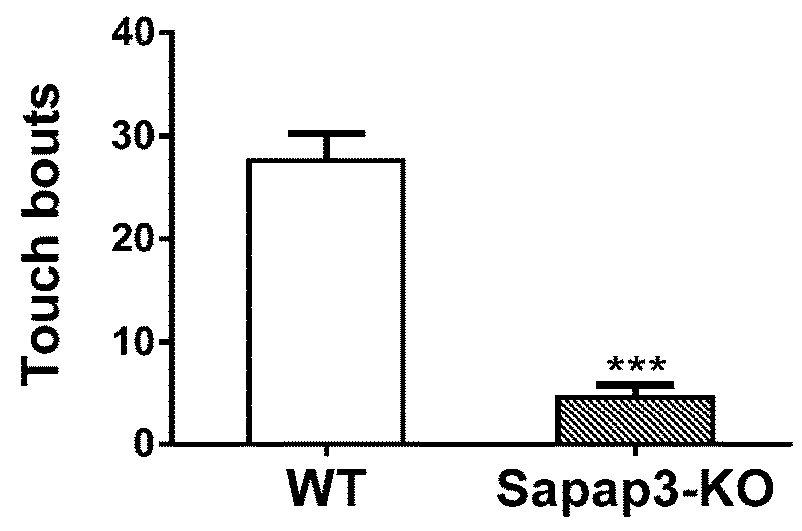
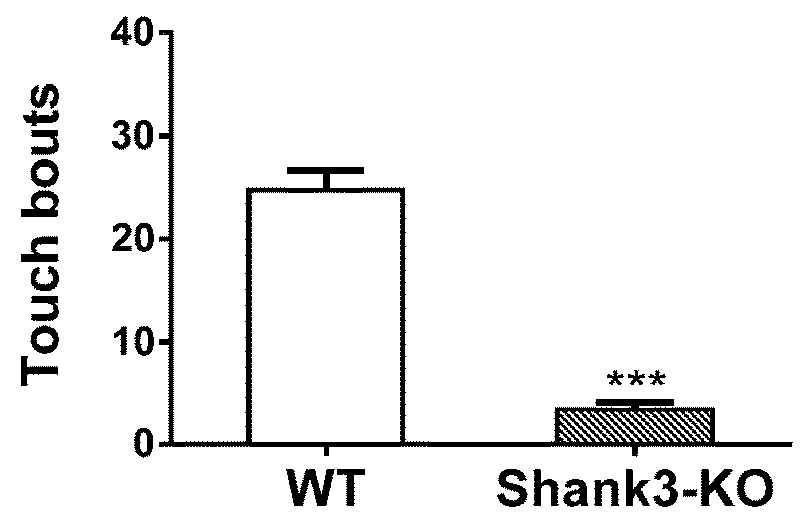
Examples
example 1
Synthesis of NR2B Subunit Selective NMDA Receptor Antagonists
[0111]Abbreviations:[0112]aq aqueous[0113]Boc t-butoxycarbonyl[0114]Cbz benzyloxycarbonyl[0115]DCM dichloromethane[0116]DCE 1,2-dichloroethane[0117]DIPEA N,N-diisopropylethylamine[0118]DMF N,N-dimethylformamide[0119]DMSO dimethyl sulfoxide[0120]Et2O diethyl ether (“ether”)[0121]EtOAc ethyl acetate[0122]EtOH ethanol[0123]eq equivalents[0124]h hours[0125]HPLC high performance liquid chromatography[0126]LC liquid chromatography[0127]Me methyl[0128]MS mass spectrometry[0129]MS (ESI) mass spectrometry electrospray ionization[0130]NMP N-methyl-2-pyrrolidone[0131]NMR nuclear magnetic resonance[0132]rt room temperature[0133]Tf triflate[0134]Tf2O triflic anhydride[0135]TFAA trifluoroacetic anhydride[0136]THF tetrahydrofuran[0137]TLC thin layer chromatography
example 1.1
(+)-(1S,2S)-1-(4-hydroxyphenyl)-2-(4-hydroxy-4-phenylpiperidino)-1-propanol (Compound A)
[0138](+)-(1S,2S)-1-(4-hydroxyphenyl)-2-(4-hydroxy-4-phenylpiperidino)-1-propanol (PubChem: CID 219101) was synthesized according to synthetic methods described and referred to in B. L. Chenard et al., J. Med. Chem. 1995; 38:3138-45.
example 1.2
N-(1-(2,2-difluoro-2-(4-trifluoromethyl)phenyl-ethyl)piperidin-4-yl)-1H-pyrazolo[3,4-d]pyrimidin-4-amine (Compound B)
[0139]
Step 1. ethyl 2,2-difluoro-2-(4-(trifluoromethyl)phenyl)acetate
[0140]
[0141]A mixture of 1-iodo-4-(trifluoromethyl)benzene (10 g, 36 mmol), ethyl 2-bromo-2,2-difluoro-acetate (7.5 g, 36 mmol) and copper powder (4.60 g, 72 mmol) in DMSO (120 mL) was heated to 80° C. After stirring for 20 hrs at 80° C., the mixture was cooled down to rt and diluted with EtOAc. The mixture thus obtained was poured into the water and stirred for 0.5 h. The suspension was filtered through a pad of celite, and the filter mass was washed with EtOAc. The combined organic phases were washed with water and brine, dried over Na2SO4 and concentrated. The concentrate was purified by column chromatography over silica gel (100% hexane) to afford the title compound as pale brown oil (6.35 g, 64%). MS (ESI) calcd for C11H9F5O2: 268.1; found: [M+H]. 1H NMR (400 MHz, CDCl3) δ 7.78-7.70 (m, 4H), 4.3...
PUM
| Property | Measurement | Unit |
|---|---|---|
| Electrical conductance | aaaaa | aaaaa |
| Therapeutic | aaaaa | aaaaa |
| Disorder | aaaaa | aaaaa |
Abstract
Description
Claims
Application Information
 Login to View More