
Preparation method of fluoroethylene carbonate
A technology of fluoroethylene carbonate and chloroethylene carbonate, which is applied in the field of preparation of fluoroethylene carbonate, can solve the problems of low conversion rate and selectivity, high tar and low yield, and achieve selectivity and yield. High efficiency, mild reaction conditions and simple process
Patent Information
- Authority / Receiving Office
- CN · China
- Patent Type
- Applications(China)
- Current Assignee / Owner
- Publication Date
- 2013-12-25
Smart Images
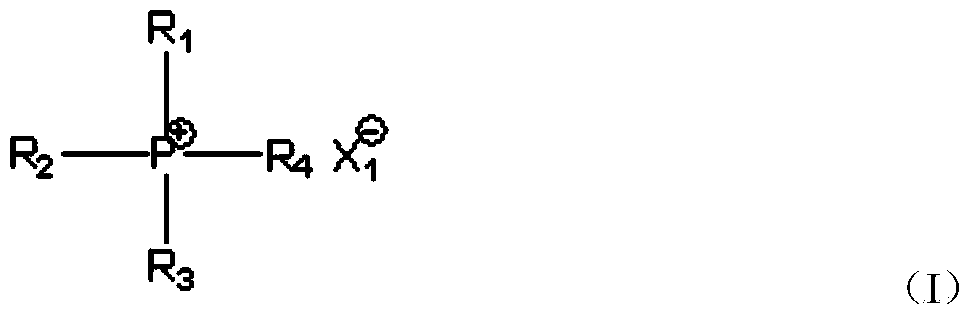
Figure 1 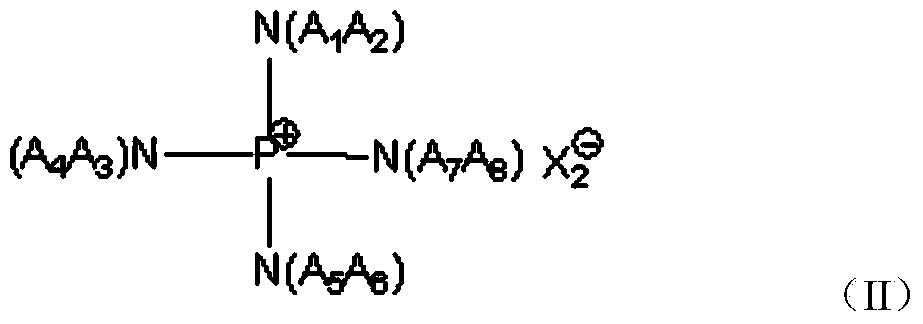
Figure 2 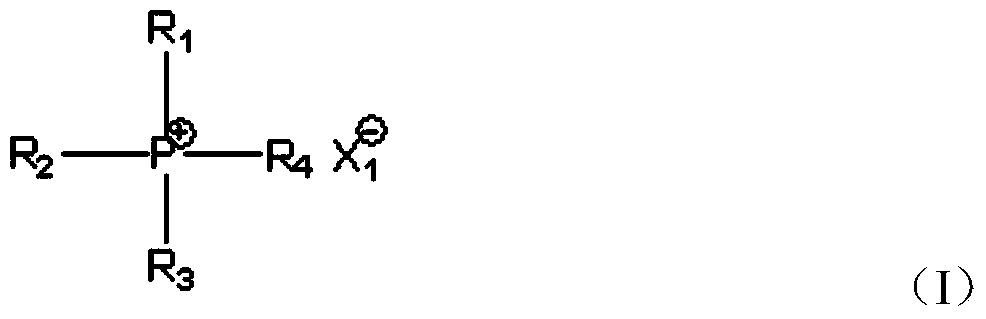
Figure 3
Abstract
Description
technical field
[0001] The invention relates to the field of fluorination reaction, in particular to a preparation method of fluoroethylene carbonate. Background technique
[0002] The rapid development of lithium-ion secondary battery technology has occupied the largest market share in the fields of mobile phones, notebook computers, digital imaging equipment, and electric tools. It is expected to show explosive growth in the electric bicycle and electric vehicle industries in the future. With the continuous expansion of lithium-ion battery technology and application fields, the majority of users have also put forward higher requirements for its performance. Improving the safety and stability of lithium-ion batteries has become one of the current scientific research problems that need to be solved urgently.
[0003] Fluoroethylene carbonate compounds are excellent electrolyte additives for lithium-ion batteries. They can effectively increase the boiling point and flash poi...
Examples
Embodiment 1
[0022] Add 267g of solid KF, 12g of tetraphenylphosphonium bromide and 800g of dimethyl carbonate to a 2000ml four-necked round-bottomed flask equipped with mechanical stirring, a thermometer and a reflux condenser. After stirring and mixing evenly, add 469g of chloroethylene carbonate ester. Heated in an oil bath, and the temperature was raised to 80°C for 7 hours of reaction. Gas chromatography monitoring (analysis conditions: nitrogen as carrier gas, flow rate 1.5mL / min., injection volume 0.2 microliters; FID hydrogen flame ion detector, SEG30QC3 / AC5 column, gasification chamber temperature 280°C.) The reaction results showed that 98.1% of chloroethylene carbonate reacted, the selectivity of fluoroethylene carbonate was 92.6%, and the yield of target product fluoroethylene carbonate reached 90.8%.
Embodiment 2
[0024] Add 500g of chloroethylene carbonate and 800g of diethyl carbonate to a 2000ml four-neck round bottom flask equipped with mechanical stirring, thermometer and reflux condenser, stir and mix well, then add 287g of solid KF and 25g of tetraphenylhydrogen difluoride Phosphonium. Heated in an oil bath, and the temperature was raised to 110°C for 8 hours of reaction. The gas chromatography monitoring reaction results showed that 98.8% of the chloroethylene carbonate reacted, the selectivity of the fluorination reaction was 94.2%, and the yield of the target product fluoroethylene carbonate reached 93.1%.
Embodiment 3
[0026] Add 550g of chloroethylene carbonate and 750g of diethyl carbonate to a 2000ml four-necked round-bottomed flask equipped with mechanical stirring, a thermometer and a reflux condenser. After stirring and mixing, add 315g of solid KF and 35g of tetrakis(diethylamine )-based phosphonium bromide. Heated in an oil bath, and the temperature was raised to 100°C for 8 hours of reaction. The gas chromatographic monitoring results showed that 97.8% of the chloroethylene carbonate reacted, the selectivity of the fluorination reaction was 96.5%, and the yield of the target product fluoroethylene carbonate reached 94.4%.