
SiC-based composite ceramic and preparation method thereof
A technology for multiphase ceramics and ceramic powder, which is applied in the field of SiC-based multiphase ceramics and its preparation, can solve the problems of inability to meet the injection molding process, increase the concentration of free radicals, and form ceramic components of silicon carbide structure, and achieve excellent polishability. , Low thermal expansion coefficient, no effect of sintering shrinkage
Patent Information
- Authority / Receiving Office
- CN · China
- Patent Type
- Applications(China)
- Current Assignee / Owner
- Publication Date
- 2017-05-31
- Estimated Expiration
- Not applicable · inactive patent
Smart Images
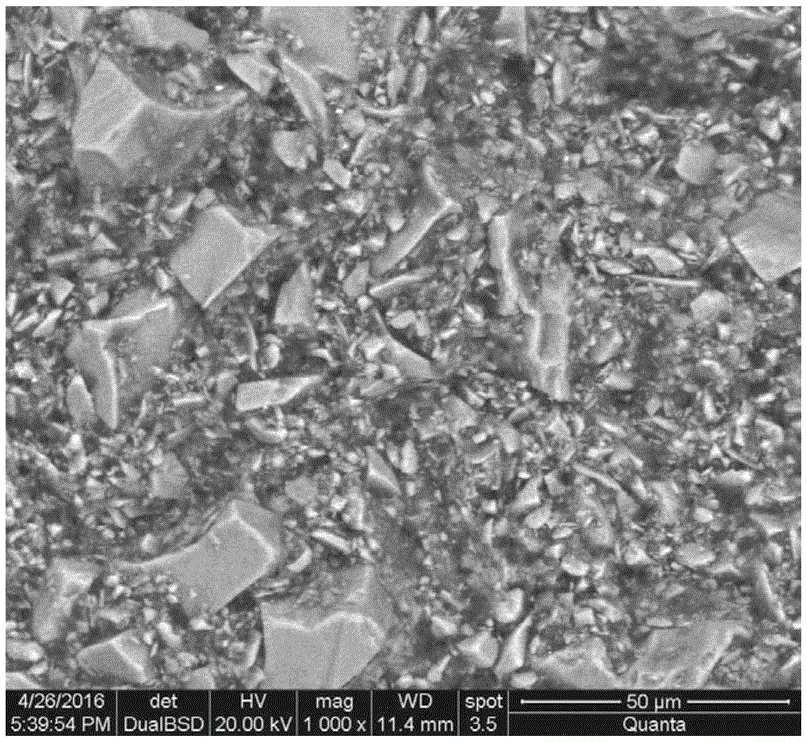
Figure 1 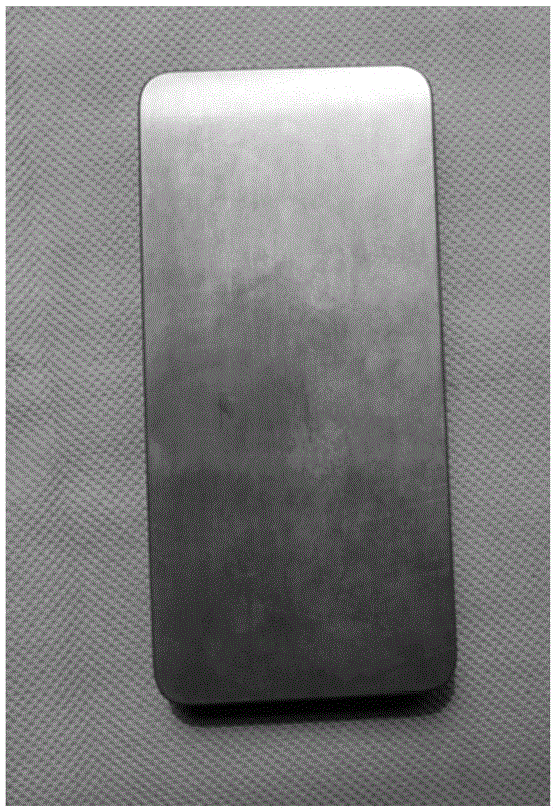
Figure 2 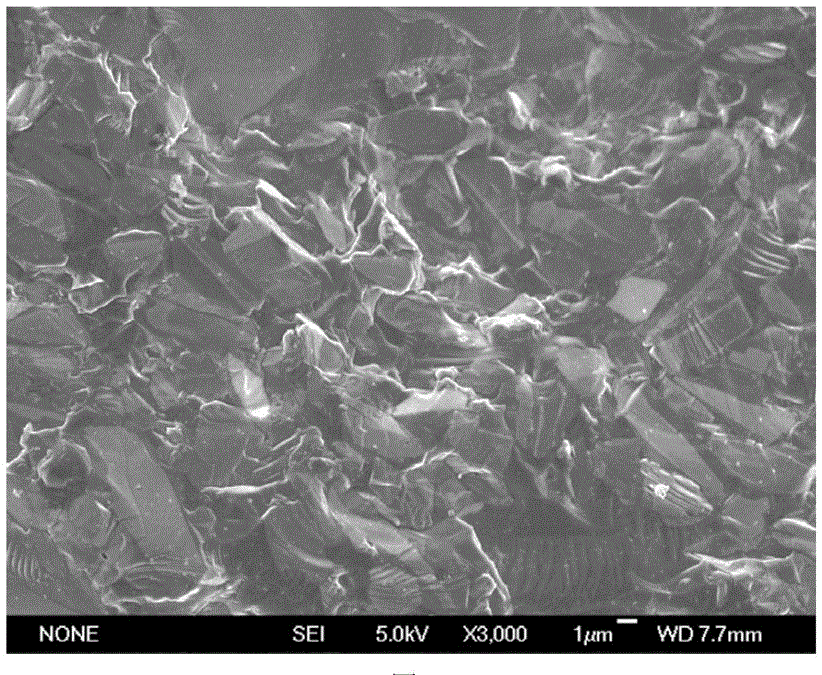
Figure 3
Abstract
Description
technical field
[0001] The invention belongs to the technical field of composite phase ceramics and its preparation, and in particular relates to a SiC-based composite phase ceramic and a preparation method thereof. Background technique
[0002] As a structural ceramic, silicon carbide has many excellent properties such as corrosion resistance, high temperature resistance, high strength, excellent thermal conductivity, and impact resistance. It is widely used in chemical, mechanical, aviation and other fields, and has always been the focus of research in the field of materials. and hotspots. However, ceramic materials are difficult to machine after sintering. People have been looking for a net-size molding method for complex-shaped ceramic components, which has become a key link to ensure the quality of ceramic components and obtain materials with practical application value.
[0003] Gel injection molding is a new technology developed on the basis of traditional grouting m...
Examples
Embodiment 1
[0033] A SiC-based composite phase ceramics of the present invention, specifically Si / SiC composite phase ceramics, including Si and SiC, wherein SiC is a continuous matrix phase, Si is a free phase, and the free phases are distributed on the surface of the SiC-based composite phase ceramics in the continuous matrix phase.
[0034] The Si / SiC composite ceramics is made of a mixed slurry sintered by gas-phase silicon infiltration. The mixed slurry is specifically composed of carbon black, α-SiC ceramic powder, acrylamide (organic monomer), N,N'-methylene bis Acrylamide (crosslinking agent), AIBA (initiator) and deionized water. After the mixed slurry is sintered by gas phase siliconization, carbon black is sintered by gas phase siliconization to generate β-SiC. β-SiC and the mixed slurry α-SiC is sintered to form a continuous SiC phase, and the gas phase silicon that has not participated in the reaction condenses in SiC on the surface of SiC-based multiphase ceramics to form a ...
Embodiment 2
[0046] A SiC-based composite phase ceramics of the present invention, specifically Si / SiC composite phase ceramics, including Si and SiC, wherein SiC is a continuous matrix phase, Si is a free phase, and the free phases are distributed on the surface of the SiC-based composite phase ceramics in the continuous matrix phase.
[0047] The Si / SiC composite ceramics is made of a mixed slurry sintered by gas-phase silicon infiltration. The mixed slurry is specifically composed of carbon black, α-SiC ceramic powder, acrylamide (organic monomer), N,N'-methylene bis Acrylamide (crosslinking agent), AIBA (initiator) and deionized water. After the mixed slurry is sintered by gas phase siliconization, carbon black is sintered by gas phase siliconization to generate β-SiC. β-SiC and the mixed slurry α-SiC is sintered to form a continuous SiC phase, and the gas phase silicon that has not participated in the reaction condenses in SiC on the surface of SiC-based multiphase ceramics to form a ...
Embodiment 3
[0055] A SiC-based composite phase ceramics of the present invention, specifically Si / SiC composite phase ceramics, including Si and SiC, wherein SiC is a continuous matrix phase, Si is a free phase, and the free phases are distributed on the surface of the SiC-based composite phase ceramics in the continuous matrix phase.
[0056] The Si / SiC composite ceramics is made of a mixed slurry sintered by gas-phase silicon infiltration. The mixed slurry is specifically composed of carbon black, α-SiC ceramic powder, acrylamide (organic monomer), N,N'-methylene bis Acrylamide (crosslinking agent), AIBA (initiator) and deionized water. After the mixed slurry is sintered by gas phase siliconization, carbon black is sintered by gas phase siliconization to generate β-SiC. β-SiC and the mixed slurry α-SiC is sintered to form a continuous SiC phase, and the gas phase silicon that has not participated in the reaction condenses in SiC on the surface of SiC-based multiphase ceramics to form a ...