
A pezicula sp. SC1337 strain, and a method of preparing trisaccharide ester derivatives by utilizing the strain
A technology of Sessileum and Stipeides, applied in the direction of microorganism-based methods, sugar derivatives, sugar derivatives, etc., can solve the problem of no anti-microbial, etc., and achieve the effect of broad application prospects
- Summary
- Abstract
- Description
- Claims
- Application Information
AI Technical Summary
Problems solved by technology
Method used
Image

Examples
Embodiment 1
[0027] Embodiment 1: Pezicula sp. SC1337 and identification thereof
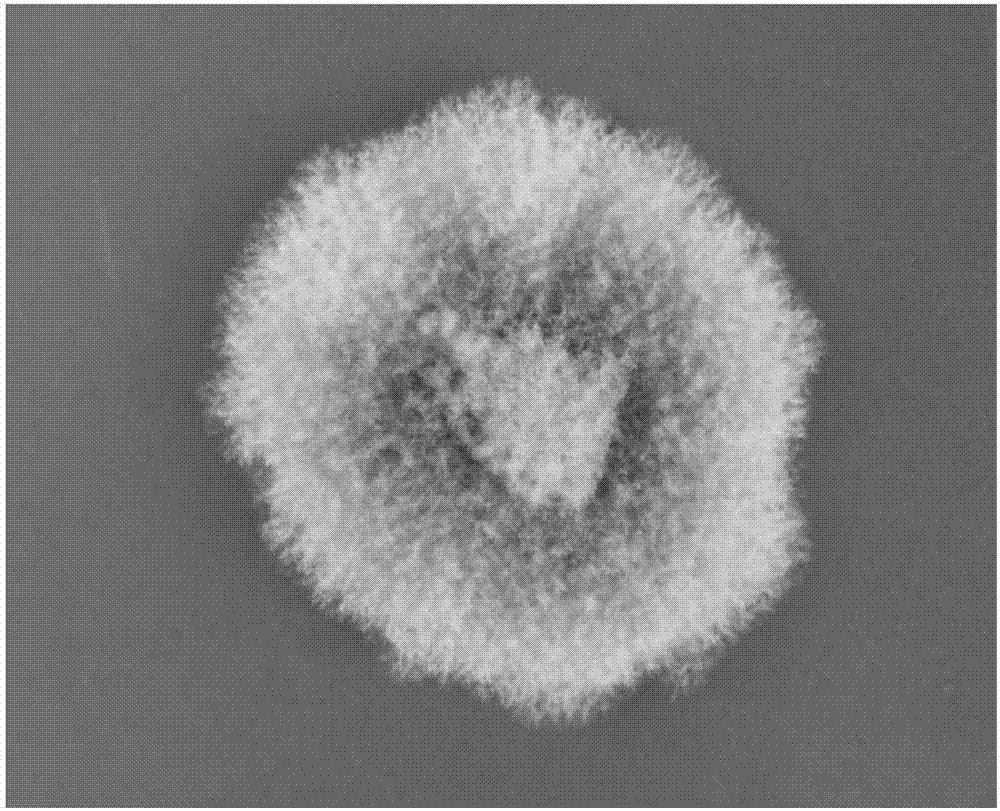
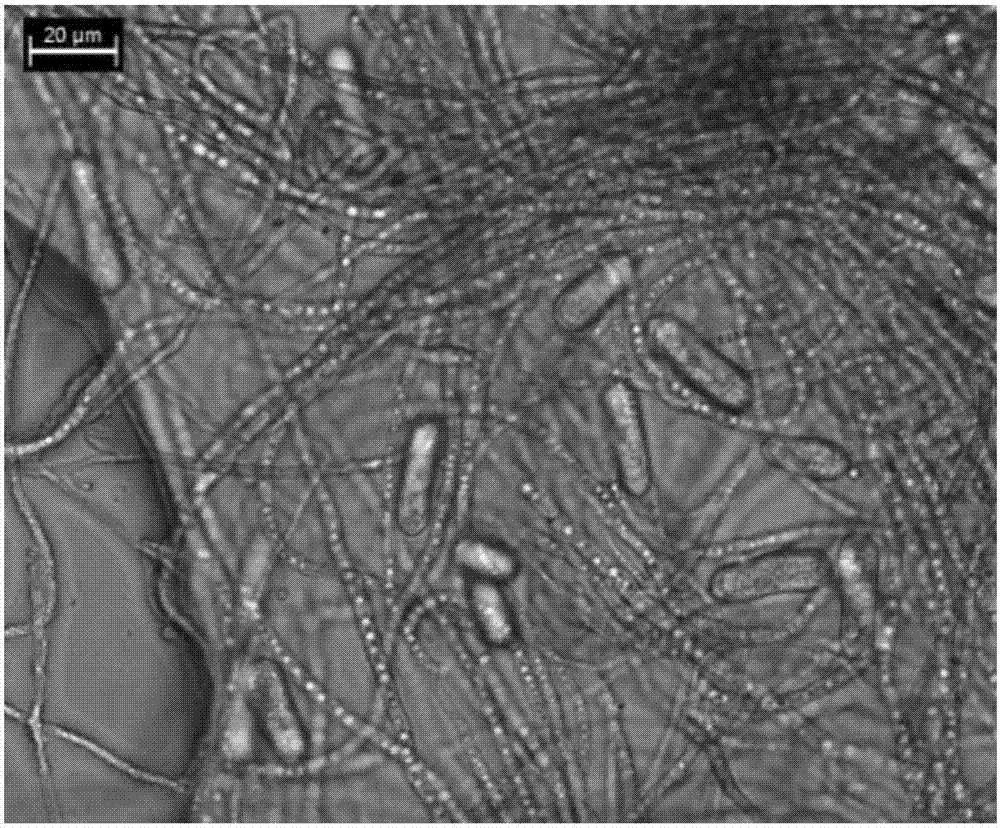
[0028] The Pezicula sp. SC1337 of the present invention is isolated from the endophytic bacteria of the cypress branches of the South China Botanical Garden. Disinfect with 10% sodium hypochlorite for 3 minutes, rinse with sterile water for 3 times, then dry it, inoculate it on PDA medium, put it in a 28°C incubator and cultivate it for 5 days, and pick the target colony with a sterile toothpick. The PDA medium Each liter contains 6g of potato extract, 20g of glucose, 20g of agar, and the rest is water, with a pH of 6.0 to 6.5, from which Pezicula sp. SC1337 is isolated. This strain grows slowly on PDA medium. After 10 days of culture, the average diameter of the colony is less than 4cm, the edges are neat, the aerial hyphae are vigorous and relatively loose, and they are fluffy; the center of the front of the colony is taupe and slightly dark green. The edge is off-white; the center of the back of the colo...
Embodiment 2
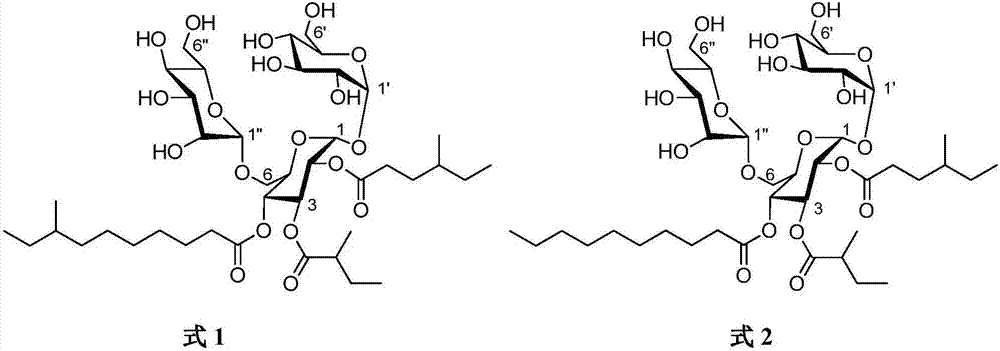
[0029] Example 2: Preparation of five trisaccharide ester derivatives and their physicochemical and spectral data
[0030] Pezicula sp. SC1337 was cultured statically at 28° C. for 12 days in the dark on a wheat solid medium (wheat and water at a mass ratio of 1:1.5) to obtain a solid fermentation culture.
[0031] Soak the solid fermentation culture (3.6 L) with an equal volume of 95% ethanol aqueous solution for three times, each time for 48 hours. Ethyl acetate was extracted three times, and the obtained ethyl acetate extracts were combined and then concentrated to obtain 17.6 g of ethyl acetate extracts.
[0032]Put the ethyl acetate extract on a silica gel column (silica gel is 100-200 mesh, 300g), perform gradient elution with a chloroform-methanol mixed solvent with a volume ratio of 90:10-70:30, and detect with thin-layer chromatography (silica gel plate) Combine similar fractions, collect the fractions with a ratio shift value of 0.3 to 0.4 when the chloroform-methan...
Embodiment 3
[0052] Embodiment 3: The in vitro inhibitory activity test of the trisaccharide ester (compound 1~5) obtained in embodiment 2 to the pathogenic fungi of 12 common families and genus of plants
[0053] The test strains used include: 1) Alternaria solani tomato early blight; 2) Botryospuaeria berengeriana apple ringworm; 3) Botrytis cinerea tomato cinerea; 4) Colletotrichumgloeosporioides mango anthracnose fungus; 5) Curvularia lunata banana crescent Curvularia; 6) Fusariumoxysporium banana, watermelon Fusarium wilt; 7) Geotrichum citri-aurantii citrus candidum; 8) Helminthosporium maydis corn small spot; 9) Penicillium italicum citrus Penicillium; solani rice sheath blight fungus; 12) Ustilaginoidea virens rice smut fungus.
[0054] Determination of the antifungal activity of compounds 1-5 by the filter paper agar diffusion method: inoculate the activated test bacteria into culture dishes equipped with PDA solid medium respectively, and use a T-shaped applicator to coat them ev...
PUM
| Property | Measurement | Unit |
|---|---|---|
| width | aaaaa | aaaaa |
Abstract
Description
Claims
Application Information
 Login to View More