

Acrylic pressure sensitive adhesive composition
a technology of acrylic adhesives and compositions, applied in the direction of acid polymer adhesives, adhesive types, layered products, etc., can solve the problems of affecting the alignment of liquid crystals inside the liquid crystal display, deteriorating product quality, and being neither ideal nor effective, and achieves superior antistaticity, superior endurance reliability, and increased dissociation.
- Summary
- Abstract
- Description
- Claims
- Application Information
AI Technical Summary
Benefits of technology
Problems solved by technology
Method used
Image

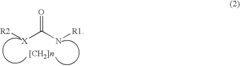
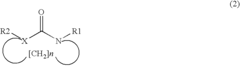
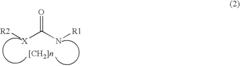
Examples
example 1
[0055]
[0056] Into a 1 L reactor equipped with a nitrogen reflux apparatus and a cooler for temperature control were added a monomer mixture comprising 98.3 parts by weight of n-butyl acrylate (BA), 0.5 part by weight of acrylic acid (AA) and 1.2 parts by weight of hydroxyethyl methacrylate (2-HEMA), and 100 parts by weight of ethyl acetate (EAc), as solvent. The reactor was purged with nitrogen gas for 1 hour in order to remove oxygen and maintained at 62° C. After homogenizing the mixture, 0.03 parts by weight of azobisisobutyronitrile (AIBN) diluted in ethyl acetate to a concentration of 50% was added as a reaction initiator. The reaction was carried out for 8 hours to obtain an acrylic copolymer.
[0057]
[0058] Lithium bistrifluoromethanesulfonylimide and acetamide were mixed at room temperature at a proportion of 1:1 by weight and left alone for about 12 hours to obtain a metallic eutectic salt.
[0059]
[0060] 0.5 part by weight of trimethylolpropane-TDI (tolylene diisocyanate adduc...
examples2-15
[0063] Copolymerization was performed under the conditions given in Table 1 below and Example 1. Urea was used in addition to acetamide and lithium bispentafluoroethanesulfonylimide or potassium bistrifluoromethanesulfonylimide was used instead of lithium bistrifluoromethanesulfonylimide to prepare the room temperature eutectic salt. Preparation of the acrylic copolymer, mixing and lamination were performed in the manner similar to that of Example 1. Endurance reliability, surface resistance and haze measurement results are given in Table 2.
PUM
| Property | Measurement | Unit |
|---|---|---|
| Percent by mass | aaaaa | aaaaa |
| Percent by mass | aaaaa | aaaaa |
| Percent by mass | aaaaa | aaaaa |
Abstract
Description
Claims
Application Information
 Login to View More