

Electrode for electroreduction of carbon dioxide, and preparation and application thereof
A technology of electrodes and heteroatoms, which is applied in the field of electrodes for carbon dioxide electroreduction, can solve the problems of less applied research, achieve the effects of improving transmission, increasing effective active area, and simple preparation methods
Patent Information
- Authority / Receiving Office
- CN · China
- Current Assignee / Owner
- Publication Date
- 2018-03-27
- Estimated Expiration
- Not applicable · inactive patent
Smart Images
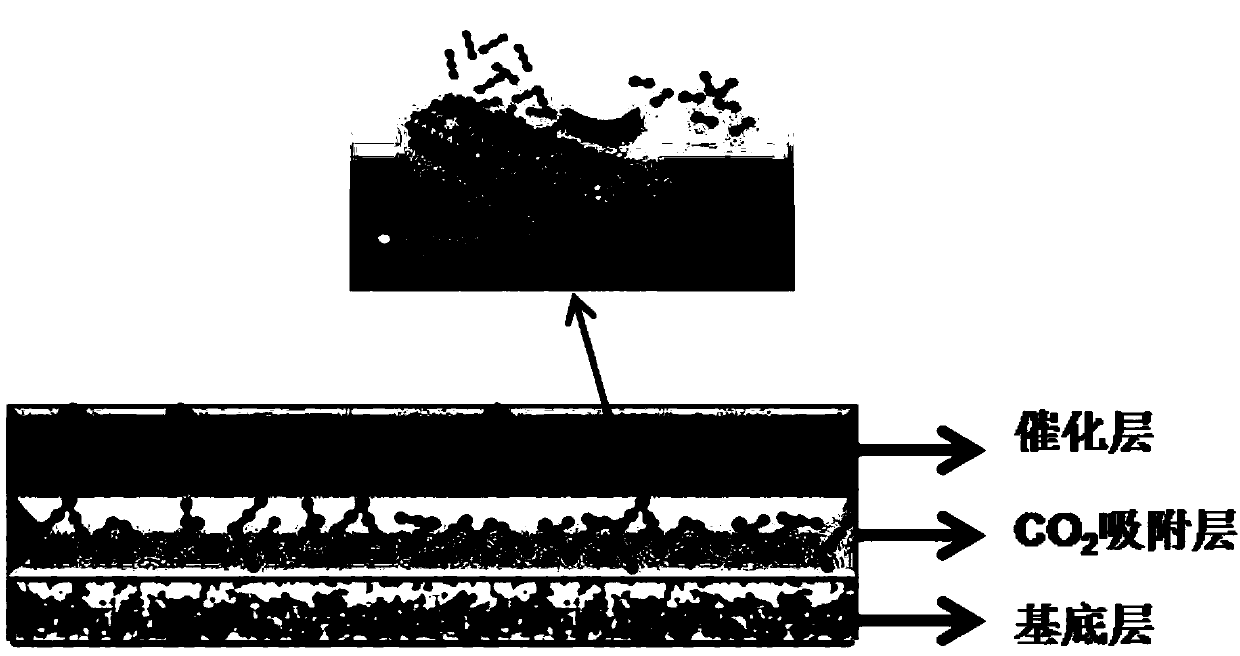
Figure 1 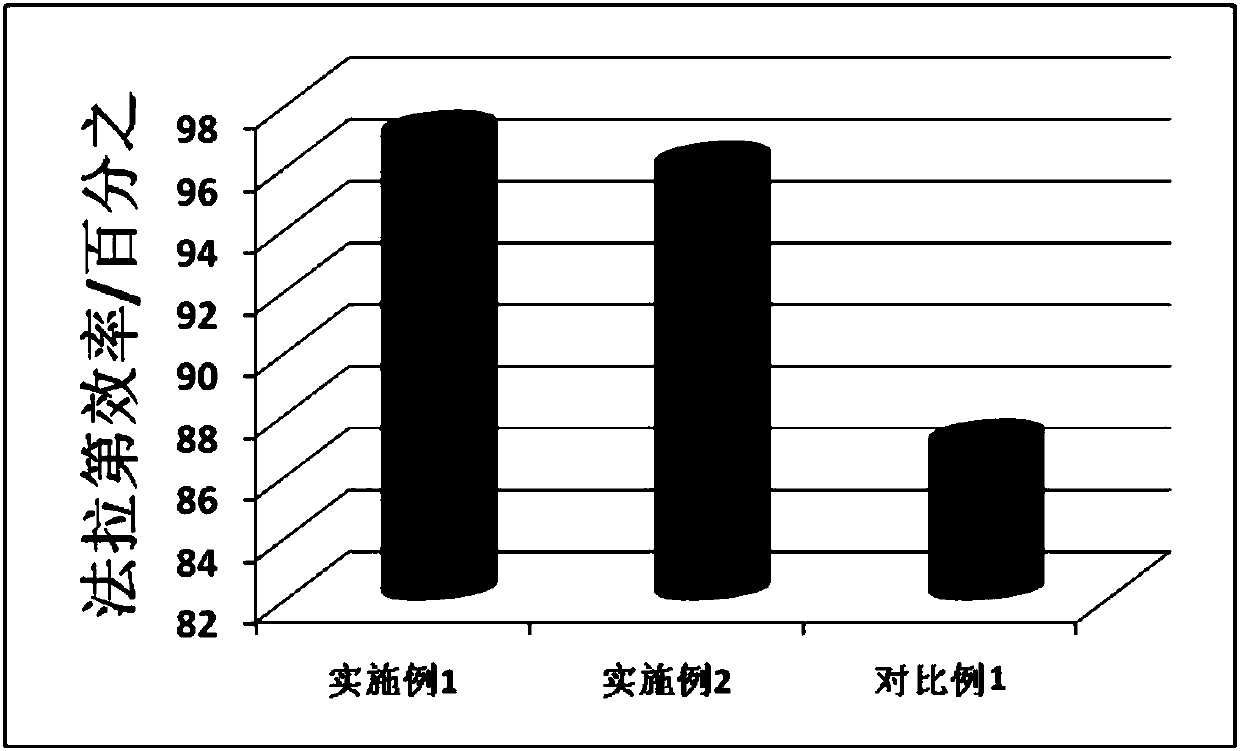
Figure 2
Abstract
Description
technical field
[0001] The invention relates to an electrode for carbon dioxide electric reduction and an application thereof, and belongs to the technical field of carbon dioxide resource utilization and energy storage. Background technique
[0002] Carbon dioxide electroreduction technology (ERC) is the use of electricity to reduce CO 2 Reduce to various organic small molecules or chemical products, effectively realize the greenhouse gas CO 2 A technology for resource utilization. ERC technology can not only save fossil energy such as oil, natural gas and coal, but also turn waste into treasure, making CO 2 be effectively utilized, reducing CO 2 environmental pollution caused. Use renewable energy to generate electricity, and then use electricity to synthesize carbon dioxide into organic matter to realize the conversion and storage of electrical energy into chemical energy. Therefore, ERC technology has potential economic and environmental benefits.
[0003] Electroc...
Examples
Embodiment 1
[0042] Toray060 carbon paper was treated in the air at 550°C, and then degreased and cleaned in ethanol as the base; 50mg of KB300, 4mg of ethylenediamine compound and 30mg of binder PTFE were blended in 1:4 ethanol: In a mixed solvent of water, an electrode slurry is obtained, wherein the ratio of solid matter to solvent is 20 mg solid / ml solvent; the slurry is coated on the surface of the treated carbon substrate by scraping, and dried at 60 degrees Celsius. The electrode was prepared to obtain CO 2 Capture layer; after the carbon nanotubes are treated in a high-temperature ammonia atmosphere, the temperature is controlled at 900 ° C, and the treatment time is controlled at 3 h; where NH 3 The intake flow rate is controlled at 100ml / min, and nitrogen-doped nanotubes are prepared; take 50mg of nitrogen atom-doped nanotubes (nitrogen content 0.8wt%), add 150mg of isopropanol, oscillate and mix until uniform in ultrasonic waves, and then add 20mg Ferric phthalocyanide, continu...
Embodiment 2
[0044] Toray060 carbon paper was treated in the air at 550°C, and then degreased and cleaned in ethanol as a substrate; 50mg of carbon nanotubes, 4mg of hexamethylenediamine compound and 30mg of binder PTFE were blended in a 1:3 In the mixed solvent of ethanol: water, the electrode slurry is obtained, wherein the ratio of solid matter to solvent is 20 mg solid / ml solvent; the slurry is coated on the surface of the treated carbon substrate by scraping, and baked at 60 degrees Celsius Dry the electrode and prepare the CO 2 Capture layer; after the carbon nanotubes are treated in a high-temperature ammonia atmosphere, the temperature is controlled at 900 ° C, and the treatment time is controlled at 3 h; where NH 3 The intake flow rate is controlled at 100ml / min, and nitrogen-doped nanotubes are prepared; take 50mg of nitrogen atom-doped nanotubes (nitrogen content 0.8wt%), add 150mg of isopropanol, oscillate and mix until uniform in ultrasonic waves, and then add 20mg Ferric pht...
Embodiment 3
[0046] The carbon felt is treated in the air at 550°C, and then degreased and cleaned in ethanol as a substrate; 50mg of carbon nanotubes, 4mg of hexamethylenediamine compound and 30mg of binder PTFE are blended in 1:3 ethanol : In a mixed solvent of water, an electrode slurry is obtained, wherein the ratio of solid matter to solvent is 20 mg solid / ml solvent; the slurry is coated on the surface of the treated carbon substrate by scraping, and dried at 60 degrees Celsius The electrode is prepared, and the CO 2 Capture layer; after the carbon nanotubes are treated in a high-temperature ammonia atmosphere, the temperature is controlled at 900 ° C, and the treatment time is controlled at 3 h; where NH 3 The intake flow rate is controlled at 100ml / min, and nitrogen-doped nanotubes are prepared; take 50mg of nitrogen atom-doped nanotubes (nitrogen content 0.8wt%), add 150mg of isopropanol, oscillate and mix until uniform in ultrasonic waves, and then add 20mg Vitamin B12, continue...