
Mathematic display model surface antibiosis and flame retardation coating layer
A display model, surface antibacterial technology, applied in the field of mathematics teaching, can solve problems such as inability to meet requirements, achieve the effect of superior flame retardant and improve product performance
- Summary
- Abstract
- Description
- Claims
- Application Information
AI Technical Summary
Problems solved by technology
Method used
Image

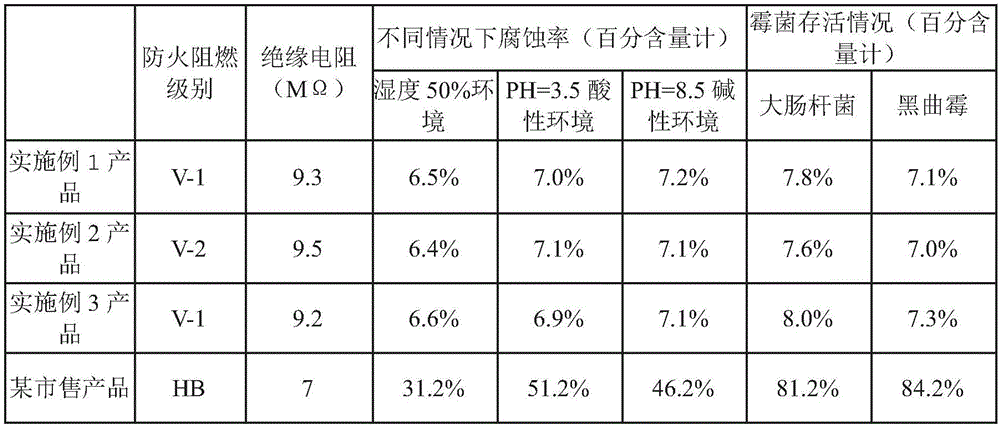
Examples
Embodiment 1
[0016] The antibacterial and flame-retardant coating on the surface of the mathematical display model in this embodiment is composed of the following parts by mass: 12 parts of phenyltriethoxysilane, 10 parts of dibasic lead phosphite, 10 parts of sodium hydrosulfide, 8 parts of lithium phosphate powder, 10 parts of asphalt, 10 parts of porcelain powder, 8 parts of cellulose hydroxyethyl ether, 10 parts of calcium acetate, 10 parts of mugwort leaf extract, 8 parts of titanium nitride powder, 8 parts of phenol resin, methacrylic acid 8 parts of methyl ester, 10 parts of melamine copolymer resin, 8 parts of amidine urea phosphate, 6 parts of zinc phosphate, 10 parts of ethyl phosphonate, 8 parts of p-chloro-m-xylenol, 6 parts of sodium dihydrogen phosphate, phosphoric acid 8 parts of disodium hydrogen, 6 parts of barium sulfate powder, 6 parts of barite powder, 8 parts of N-methylpyrrolidone, 8 parts of ethylene oxide, 8 parts of lemon oil, 8 parts of oleic acid ester, dodecyl sul...
Embodiment 2
[0022] The antibacterial flame-retardant coating on the surface of the mathematical display model in this embodiment is composed of the following components by mass: 14 parts of phenyltriethoxysilane, 12 parts of dibasic lead phosphite, 12 parts of sodium hydrosulfide, 10 parts of lithium phosphate powder, 12 parts of asphalt, 12 parts of porcelain powder, 10 parts of cellulose hydroxyethyl ether, 12 parts of calcium acetate, 12 parts of mugwort extract, 10 parts of titanium nitride powder, 10 parts of phenol resin, methacrylic acid 10 parts of methyl ester, 12 parts of melamine copolymer resin, 10 parts of amidine urea phosphate, 8 parts of zinc phosphate, 12 parts of ethyl phosphonate, 10 parts of p-chloro-m-xylenol, 8 parts of sodium dihydrogen phosphate, phosphoric acid 10 parts of disodium hydrogen, 8 parts of barium sulfate powder, 8 parts of barite powder, 10 parts of N-methylpyrrolidone, 10 parts of ethylene oxide, 10 parts of lemon oil, 10 parts of oleic acid ester, dod...
Embodiment 3
[0028] The antibacterial and flame-retardant coating on the surface of the mathematical display model in this embodiment is composed of the following components by mass: 16 parts of phenyltriethoxysilane, 14 parts of dibasic lead phosphite, 14 parts of sodium hydrosulfide, 12 parts of lithium phosphate powder, 14 parts of asphalt, 14 parts of porcelain powder, 12 parts of cellulose hydroxyethyl ether, 14 parts of calcium acetate, 14 parts of mugwort extract, 12 parts of titanium nitride powder, 12 parts of phenol resin, methacrylic acid 12 parts of methyl ester, 14 parts of melamine copolymer resin, 12 parts of amidine urea phosphate, 10 parts of zinc phosphate, 14 parts of ethyl phosphonate, 12 parts of p-chloro-m-xylenol, 10 parts of sodium dihydrogen phosphate, phosphoric acid 12 parts of disodium hydrogen, 10 parts of barium sulfate powder, 10 parts of barite powder, 12 parts of N-methylpyrrolidone, 12 parts of ethylene oxide, 12 parts of lemon oil, 12 parts of oleate, 12 pa...
PUM
 Login to View More
 Abstract
Description
Claims
Application Information
 Login to View More