
A kind of chitosan oil-in-water type crude oil demulsifier and preparation method thereof
A crude oil demulsifier, oil-in-water type technology, applied in chemical dehydration/demulsification, treatment of hydrocarbon oil, petroleum industry, etc., can solve the problems of secondary pollution, poor environmental friendliness of demulsifier, etc.
Patent Information
- Authority / Receiving Office
- CN · China
- Patent Type
- Patents(China)
- Current Assignee / Owner
- Publication Date
- 2020-10-23
Smart Images
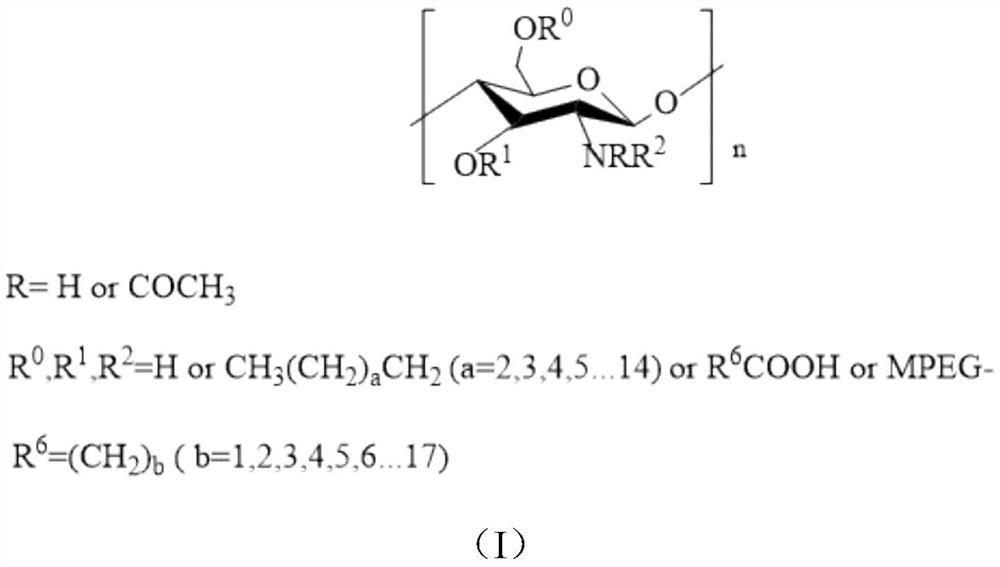
Figure 1 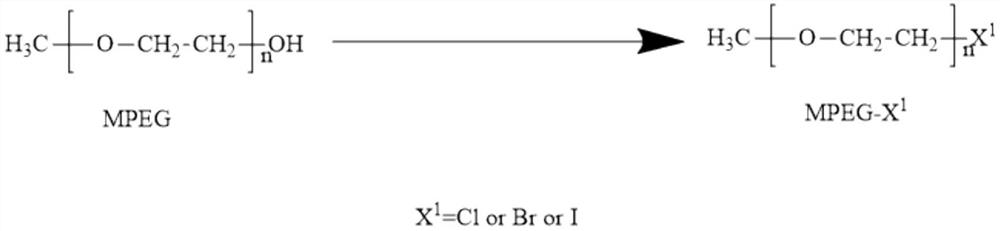
Figure 2 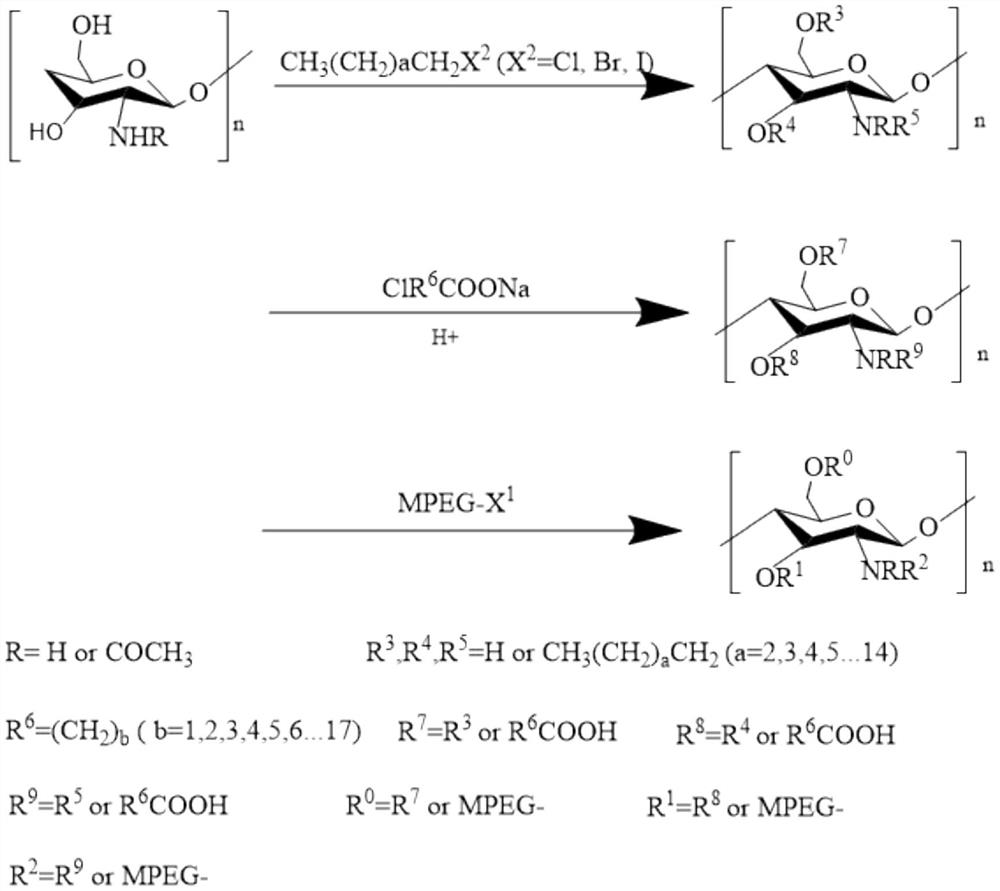
Figure 3
Abstract
Description
technical field
[0001] The invention relates to a chitosan oil-in-water crude oil demulsifier and a preparation method thereof, belonging to the field of petrochemical industry. Background technique
[0002] In the process of oilfield exploitation, with the implementation of oil recovery technologies such as steam flooding, surfactant, polymer and ASP flooding, the water content of crude oil emulsion increases, and the stability is enhanced, making it more difficult to break the emulsion of crude oil. The formation of emulsion will bring a series of serious hazards to the exploitation, transportation and processing of petroleum. The emulsification of crude oil and water will make the extraction of crude oil more difficult; when transporting water-containing crude oil by pipeline or tanker truck, it will increase the load of the pump and the transportation cost. Therefore, it is very necessary to desalt and dehydrate the crude oil emulsion before crude oil transportation and...
Examples
Embodiment 1
[0042] The preparation of the butyl carboxymethyl chitosan grafted with polyethylene glycol monomethyl ether, concrete steps are as follows:
[0043] (1) Preparation of butyl chitosan: accurately weigh 1.0g chitosan (CS) (M w =179.17kDa, degree of deacetylation >95%, viscosity 100-200mPa·s) in a 250mL three-necked flask, add 12mL isopropanol, 2g potassium hydroxide, and heat up to 40°C under stirring conditions and keep the temperature for 2h to make chitosan Alkalization of sugar. After the alkalization was completed, 3 mL of n-butane bromide was slowly added dropwise at the same reaction temperature, and the reaction was carried out at constant temperature for 6 hours. After the reaction was completed, 20 mL of methanol was added to the three-necked flask to wash out the product. Use dilute hydrochloric acid with a mass fraction of 10% to adjust the pH of the system to 7, add 10mL of acetone as a precipitating agent, let it stand for precipitation and then filter, wash the...
Embodiment 2
[0048] The preparation of the hexyl carboxymethyl chitosan grafted with polyethylene glycol monomethyl ether, concrete steps are as follows:
[0049] (1) Preparation of hexyl chitosan: accurately weigh 1.0g chitosan (CS) (M w =179.17kDa, degree of deacetylation >95%, viscosity 100-200mPa·s) in a 250mL three-neck flask, add 12mL of distilled water, 2g of potassium hydroxide, and steadily raise the temperature to 40°C under stirring conditions and keep the temperature for 2h to make the chitosan base change. After the alkalization was completed, 3 mL of n-bromohexane was slowly added dropwise at the same reaction temperature, and the reaction was carried out at constant temperature for 6 hours. After the reaction was completed, 20 mL of methanol was added to the three-necked flask to wash out the product. Use dilute hydrochloric acid with a mass fraction of 10% to adjust the pH of the system to 7, add 10mL of acetone as a precipitating agent, let it stand for precipitation and...
Embodiment 3
[0054] The preparation of the octyl carboxymethyl chitosan grafted with polyethylene glycol monomethyl ether, concrete steps are as follows:
[0055] (1) Preparation of octyl chitosan: accurately weigh 1.0g chitosan (CS) (M w =179.17kDa, degree of deacetylation >95%, viscosity 100-200mPa·s) In a 250mL three-necked flask, add 6mL of distilled water, 12mL of isopropanol, 2g of potassium hydroxide, and steadily raise the temperature to 40°C under stirring and keep the temperature for 2h Alkalinize chitosan. After the alkalization was completed, 3 mL of n-octane bromide was slowly added dropwise at the same reaction temperature, and the reaction was carried out at constant temperature for 6 hours. After the reaction was completed, 20 mL of methanol was added to the three-necked flask to wash out the product. Use dilute hydrochloric acid with a mass fraction of 10% to adjust the pH of the system to 7, add 10mL of acetone as a precipitating agent, let it stand for precipitation an...