This results in the selective suppression of some species in the microbiota leading to unregulated production of
microorganism-derived products or metabolites that can become dangerous for the host, to the point of causing various disorders locally, systemically or even in more distant organs (Zhi Y. Kho and Sunil K. Lal—The
Human Gut Microbiome—A Potential Controller of Wellness and
Disease—Frontiers in
Microbiology—August 2018, Volume 9, Article 1835).
This leads to increased production of not only gas, but also short-chain organic acids, such as
lactic acid, which are harmful to the
intestinal mucosa.
The damage caused to the latter exacerbates the problem of the decrease in the level of undigested disaccharides.
However resort to diets is often not appreciated by patients, which is why there is a need to provide a
drug or a
dietary supplement that helps reduce discomfort and enables the negative effects of
dysbiosis to improve.
Such imbalances in the
flora can compromise its physiological protective function and give rise to inflammatory phenomena.
Imbalance in this resident microbial flora is the source of recurrent uro-gynecological infections that constitute a serious medical problem, as at present there are no truly effective treatments (D. H. Martin, The microbiota of the
vagina and its influence on women's health and
disease.
A rich
polysaccharide matrix, surrounded by a protective uroplakin shell, envelops the
intracellular bacterial communities, which are always ready to reactivate to damage urothelial cells, reinfect the
urine and
attack the
urothelium at other points and cause chronic inflammatory phenomena in the bladder wall, resulting in “painful bladder syndrome”.
Researchers found that antifungals were initially effective against Candida, but with growth of the
biofilm they became less and less effective.
The search for therapeutic alternatives for the treatment of
Candida albicans infections is becoming increasingly difficult due to the higher resistance of
biofilm.
Any variations from this typical make-up were considered
pathological.
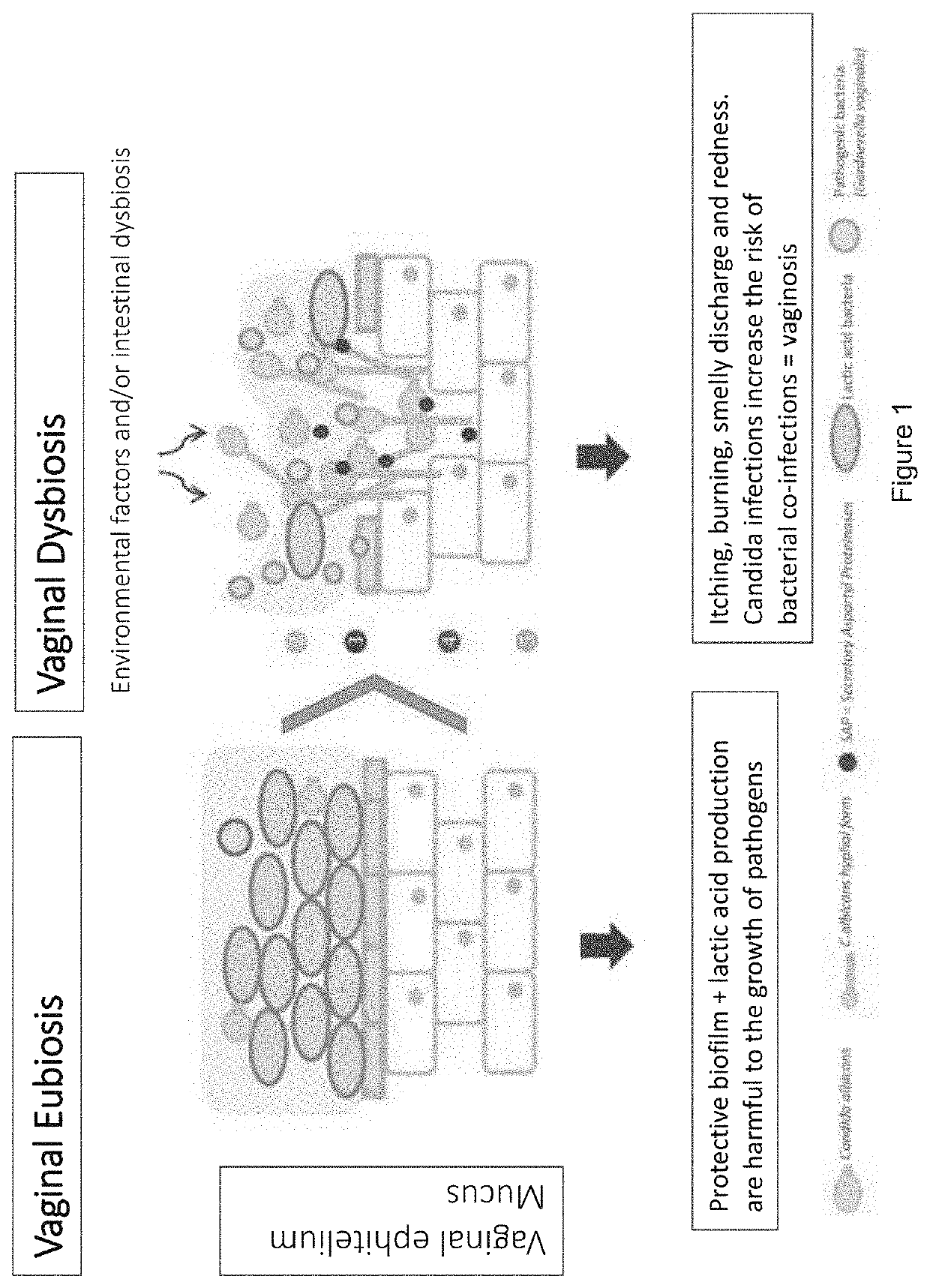
This causes a rise in the vaginal pH, which in turn leads to a drastic drop in acidophilic microorganisms and hence in the
oxide reduction potential.
This is toxic to a large number of
catalase /
peroxidase-negative bacteria, including G. vaginalis, E. coli and S. aureus.
First, the improper use of over-the-counter medicines as self-medication, as increasingly advertised on blogs and forums targeted at women, has led to the development of
antimicrobial resistance.
Second, the negative
impact of antimicrobials themselves on the vaginal microflora complicates the regeneration of lactobacilli—the vaginal
ecosystem's first line of defence in women of reproductive age.
pisodes. It should be borne in mind that these studies presented a number of limitations: not all included a control group, some had a low sample size and in most cases the diagnosis was based on the patient's own history, and was not confirmed by a cult
It is evident that all these variables make it difficult to interpret the data as a whole.
Many meta-analyses draw the conclusion that there is insufficient evidence to recommend the use of probiotics to prevent or treat genitourinary infections, even though some strains have proven effective against some infections through partial studies in humans, as confirmed
in vitro and in animal studies.
However, little data is available on their effectiveness in formal randomized clinical trials.



 Login to View More