
Additional Artemisinin and Berberine Compositions and Methods of Making
a technology of artemisinin and berberine, which is applied in the field of new therapeutic compositions, can solve the problems of insufficient delivery system, increased mortality, morbidity and medical care costs of patients suffering from common infections, and inability to achieve absolute cures for malaria
- Summary
- Abstract
- Description
- Claims
- Application Information
AI Technical Summary
Benefits of technology
Problems solved by technology
Method used
Image

Examples
example 1
Method of Making an Adult Tablet
[0188]Calculate the weight for total production based on raw materials of artemisinin and berberine that are combined in a weight ratio of 1:8 or 100 mg of artemisinin to 800 mg of berberine.
[0189]In a V-Blender, mix the active ingredients, artemisinin and berberine at a low speed, i.e., 15 rpm, for 25 minutes to insure dispersal. Then add the non-active ingredients to the V-Blender in the following order: 540 mg microcrystalline cellulose, 40 mg silicon dioxide, 300 mg stearic acid, 1,000 mg calcium carbonate, 75 mg magnesium stearate, 40 mg croscarmellose sodium and continue blending for an additional 20 to 30 minutes.
[0190]Remove the mixture of active and non-active ingredients from the blender and filter through a 20 mesh screen, followed by filtering through a 100 mesh screen. After filtering through the 100 mesh screen, an oscillating granulator is used to granulate the mixture by feeding through a 45 rpm feed screw onto roller compactor (knurle...
example 2
Method of Making a Chewable Pill for Children
[0194]The method for making the adult tablet is used for making a chewable pill with the following adjustments to active and non-active ingredients. First, the active ingredients artemisinin and berberine are combined in a weight ratio of 1:8 or 25 mg of artemisinin to 200 mg of berberine. The non-active ingredients added to the blender include flavorings and sweeteners and a masking agent to make the pill palatable so that ill children will chew and swallow the composition.
[0195]More specifically, in a V-Blender, the active ingredients, artemisinin and berberine are blended at a low speed for 25 minutes to insure dispersal. Then the non-active ingredients are added to the V-Blender in the following order: 50 mg peppermint flavoring, 1000 mg xylitol, 100 mg masking agent (a mixture of 83% maltodextrin and 17% natural flavors), 10 mg sucralose, 26.66 mg precipitated silica, 1000 mg calcium carbonate, 200 mg silicon dioxide and continue ble...
case study # 1
Lyme Disease—Case Study #1
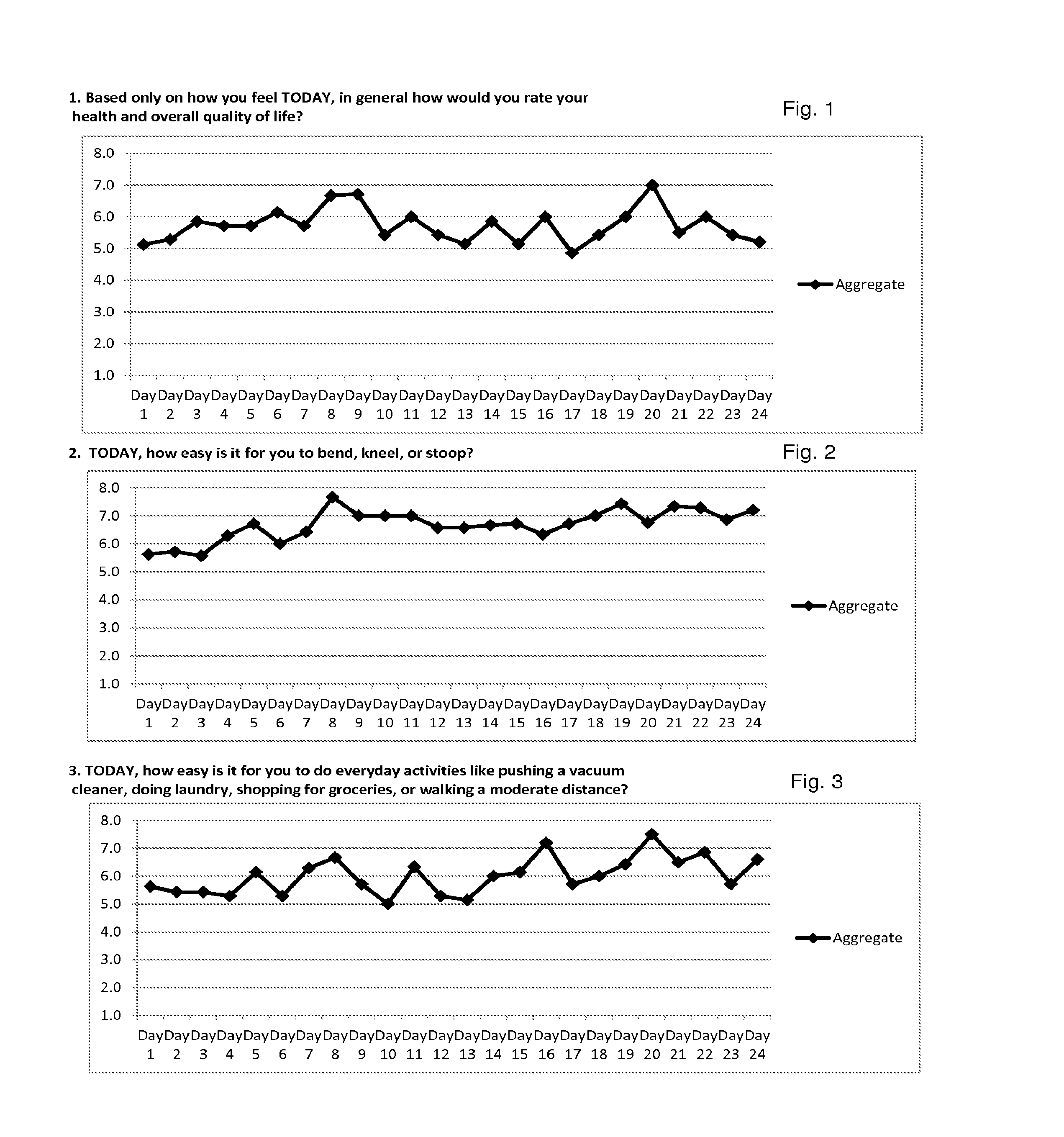
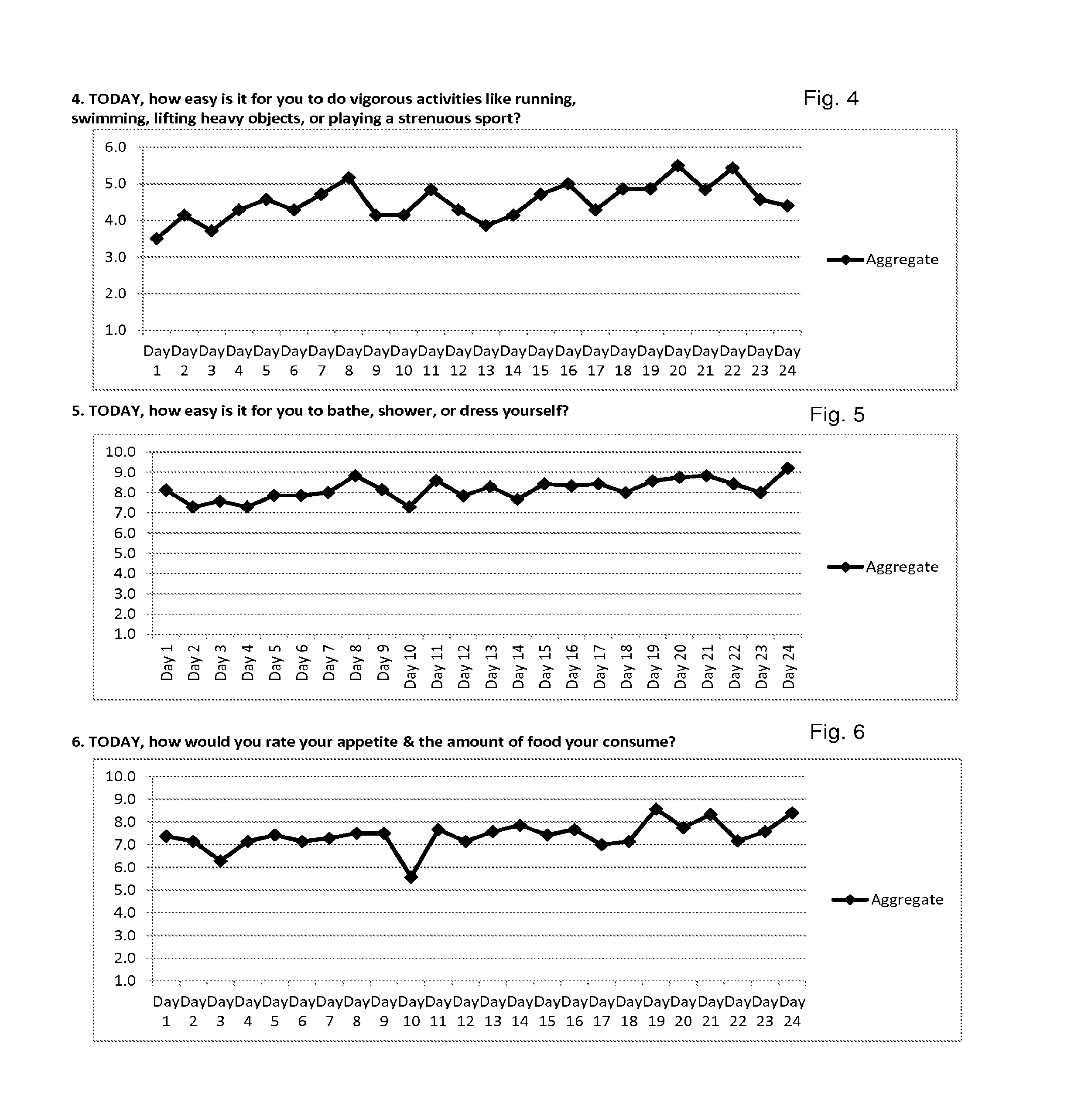
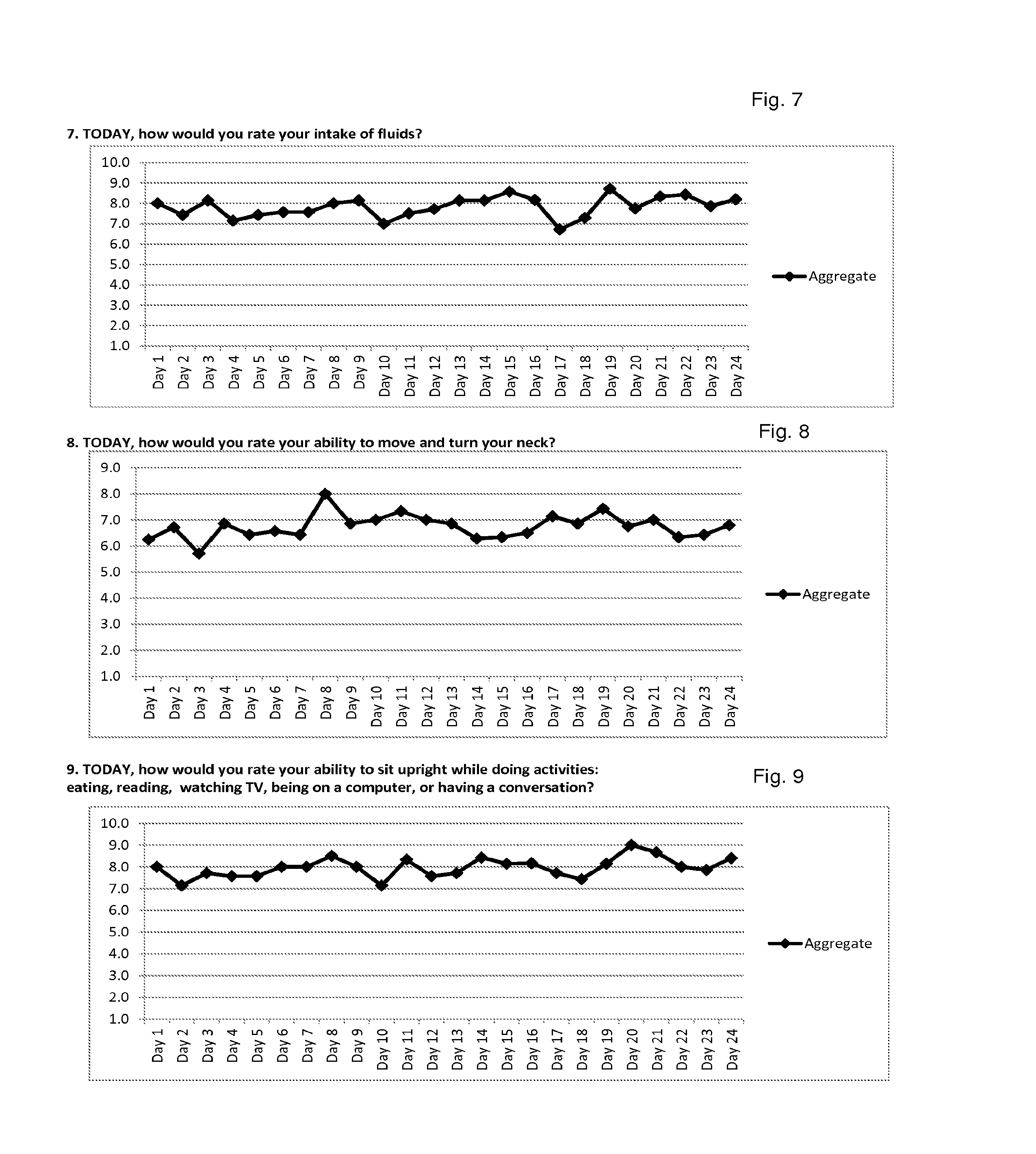
[0211]Shawn F. is a 48-year-old Caucasian female, who is 5′4″ and weighs 200 lbs. She is a full-time registered nurse, and lives in the United States. Her first symptoms appeared in September of 2008. When Shawn was first diagnosed with Lyme disease she had the tell-tale “target” lesion and was prescribed 10 days of the antibiotic doxycycline. She was diagnosed by her husband (a full-time practicing Physician's Assistant) and herself. Her disease progressed to Stage 2 Lyme due to inadequate Stage 1 treatment. Her doctors did not diagnose Stage 2 because she had been given antibiotics during the initial stage, and they believed that would rid her of Lyme disease. However, her doctors soon observed blindness, arthritis, and severe photophobia. Shawn was examined by 14 different specialists, in part because of her occupation in the health care industry; her physicians included internists, infectious disease specialists, tropical diseases specialists, and other...
PUM
| Property | Measurement | Unit |
|---|---|---|
| birth weights | aaaaa | aaaaa |
| birth weights | aaaaa | aaaaa |
| weight | aaaaa | aaaaa |
Abstract
Description
Claims
Application Information
 Login to View More