

Patents
Literature
51 results about "Microbody" patented technology
Efficacy Topic
Property
Owner
Technical Advancement
Application Domain
Technology Topic
Technology Field Word
Patent Country/Region
Patent Type
Patent Status
Application Year
Inventor
A microbody (or cytosome) is a type of organelle that is found in the cells of plants, protozoa, and animals. Organelles in the microbody family include peroxisomes, glyoxysomes, glycosomes and hydrogenosomes. In vertebrates, microbodies are especially prevalent in the liver and kidney.
Lonicera edulis tissue culturing method
InactiveCN101574055AGuaranteed to survivePreserve good traitsHorticulture methodsPlant tissue culturePlant tissuePhacus
The invention belongs to the fields of plant tissue culturing technologies and forest cultivation and relates to a high-efficiency lonicera edulis propagation method. The method comprises four stages of explant sterilization, inoculation, multiplication and rootage. The method solves the important technical problems of microbody quick propagation and root induction of the lonicera edulis, achieves the aims of efficiently inducing explants to separate and propagate and guaranteeing that seedlings survive with high quality, preserves all good characters of a matrix, and ensures stable hereditary character. The method can form large qualities of good test-tube seedlings within a short period and is suitable for large-scale and industrial production.


Owner:FORESTRY RES INST OF HEILONGJIANG PROVINCE
Microvessels, microparticles, and methods of manufacturing and using the same
ActiveUS20110105361A1Easy to detectEasy Optical InspectionBioreactor/fermenter combinationsSequential/parallel process reactionsEngineeringMicroparticle
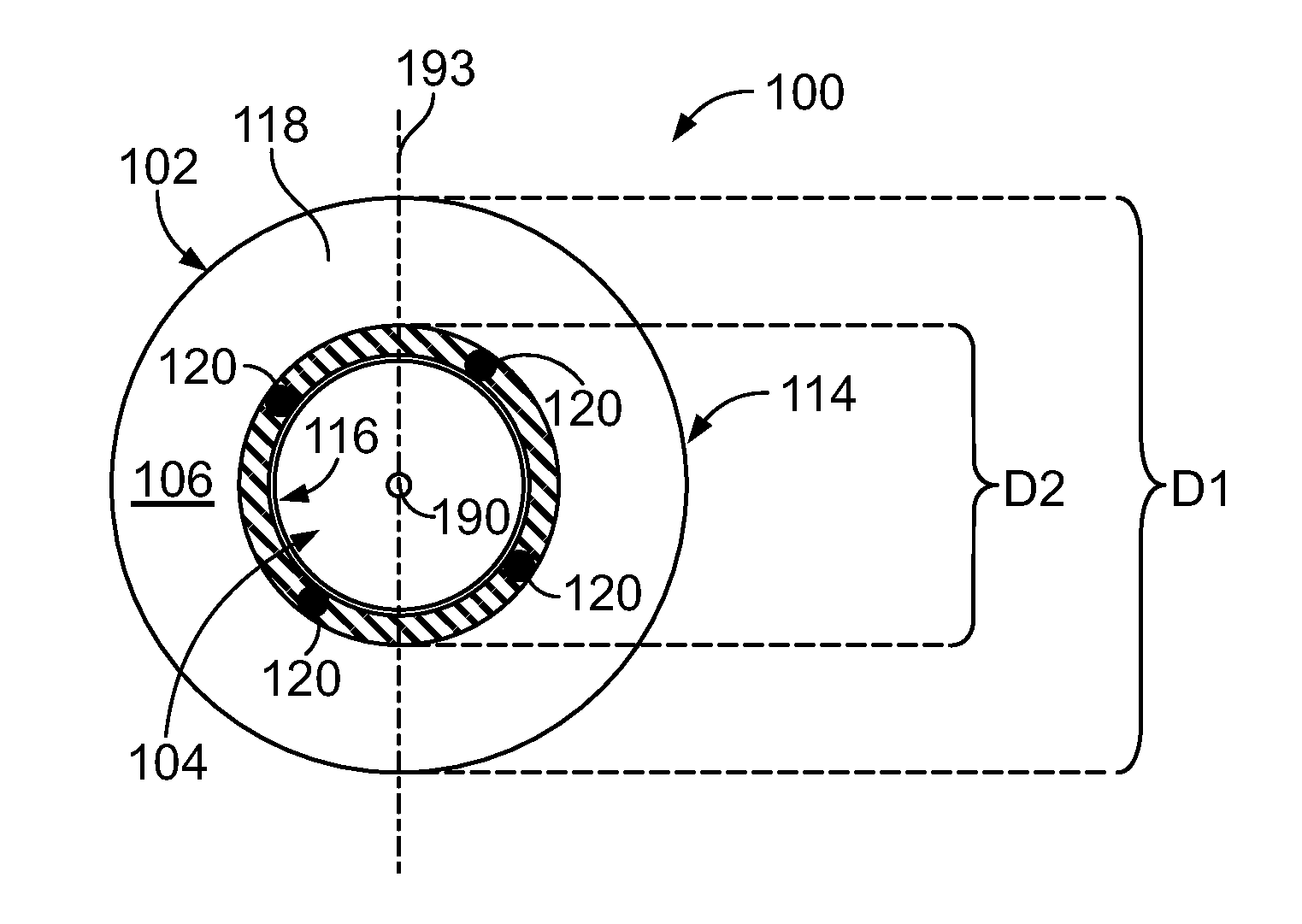
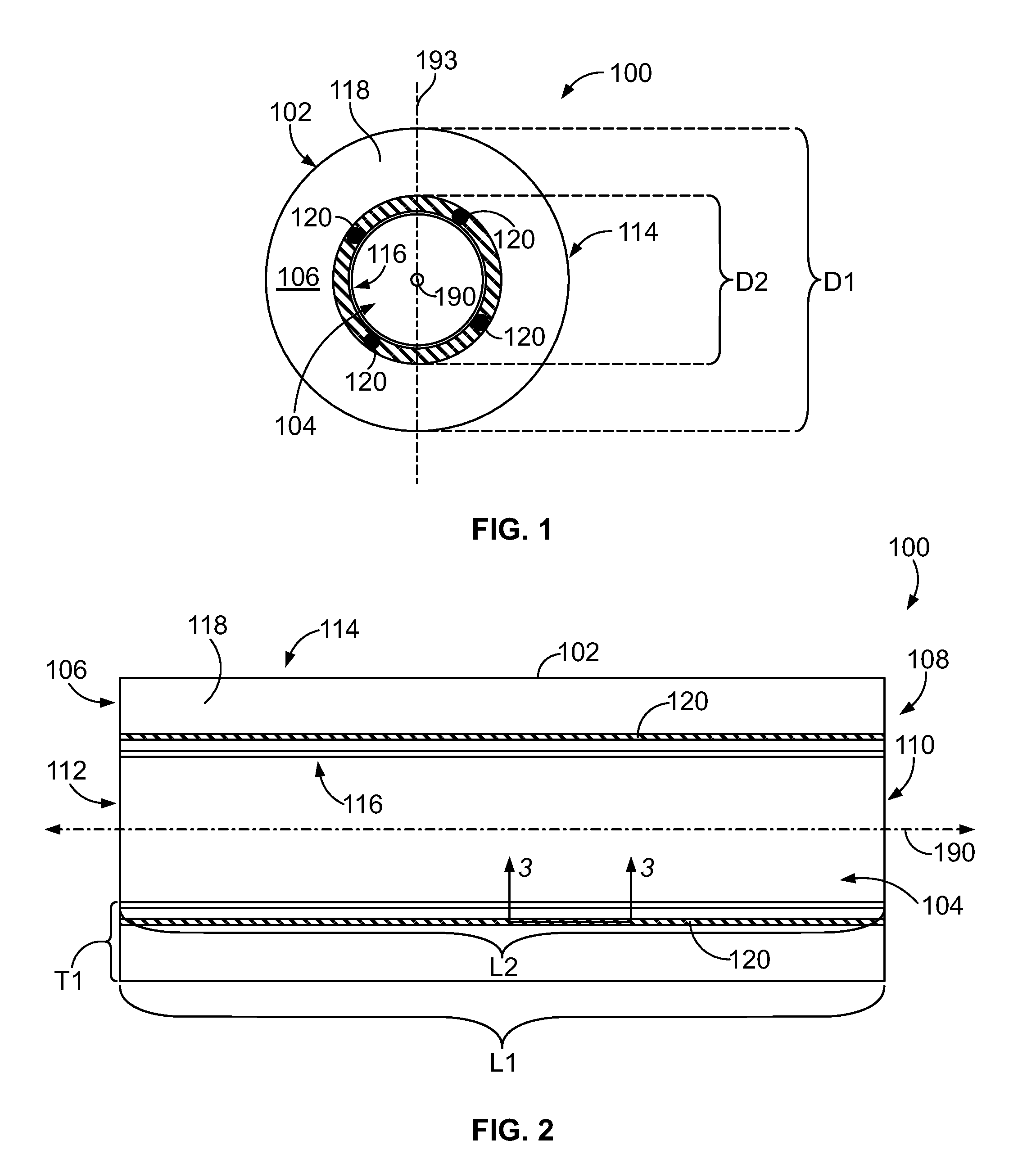
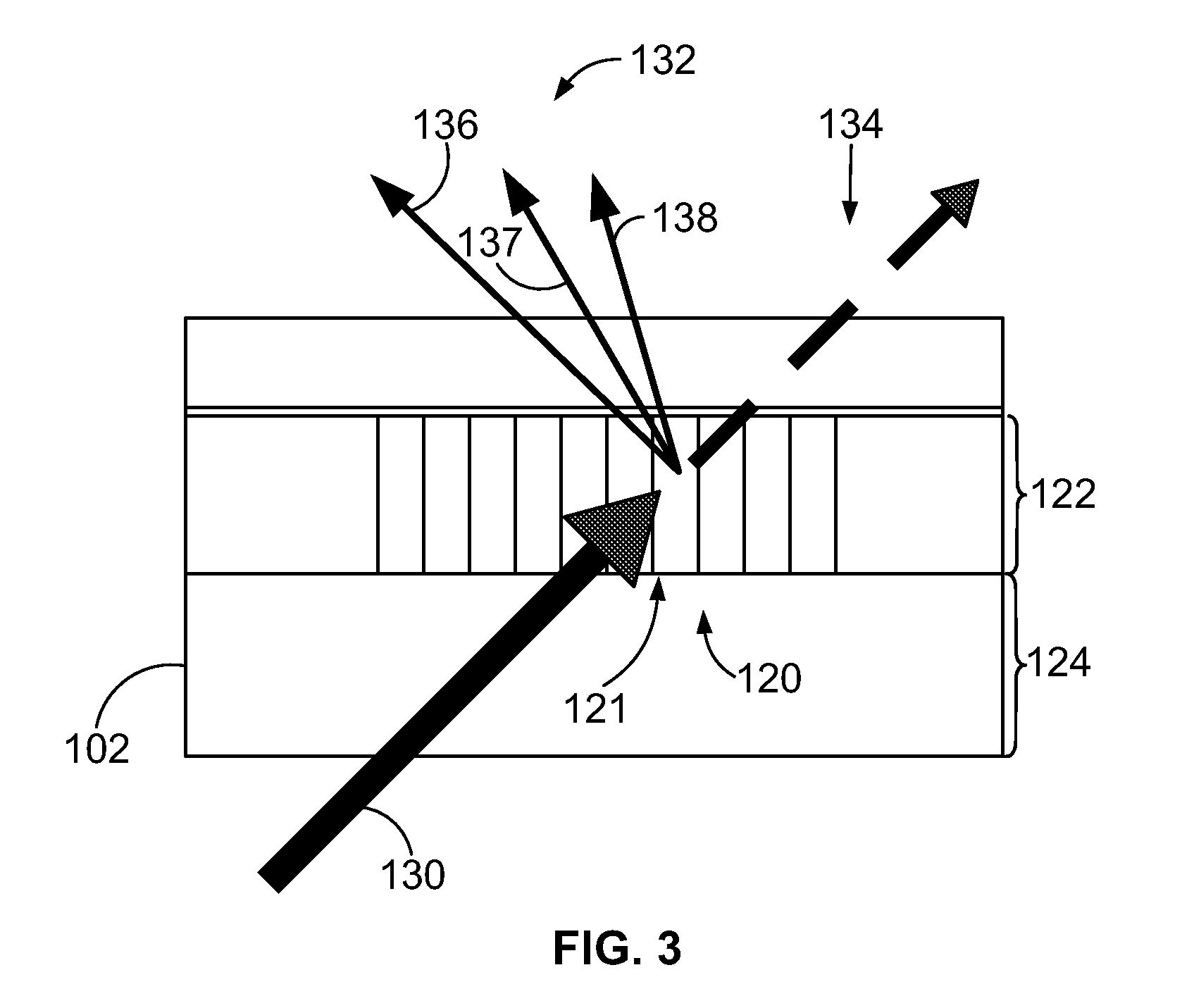
A method of reading a plurality of encoded microvessels used in an assay for biological or chemical analysis. The method can include providing a plurality of encoded microvessels. The microvessels can include a respective microbody and a reservoir core configured to hold a substance in the reservoir core. The microbody can include a material that surrounds the reservoir core and facilitates detection of a characteristic of the substance within the reservoir core. Optionally, the material can be transparent so as to facilitate detection of an optical characteristic of a substance within the reservoir core. The microbody can include an identifiable code associated with the substance. The method can also include determining the corresponding codes of the microvessels.
Owner:ILLUMINA INC
Microbody propagation expanding method of aquilaria malaccensis
InactiveCN102870683AHorticulture methodsPlant tissue cultureAquilaria malaccensisTechnological system
The invention discloses a microbody propagation expanding method of aquilaria malaccensis. The microbody propagation expanding method comprises the following steps of pre-treating an explant, inducing buds, propagating the buds and invigorating seedlings, rooting and culturing, exercising seedlings and transplanting. With the adoption of the method provided by the invention, a clonal propagation technology system of the aquilaria malaccensis is established, a clonal propagation method is provided for the precious medicinal plant of the aquilaria malaccensis, and a new way is provided for large-scale popularization of clonal seedlings.


Owner:GUANGDONG ACAD OF FORESTRY
Root inductive method for microbody reproduction of Japan dahurian larch
InactiveCN1491535AHigh rooting rateShort realization cyclePlant tissue cultureHorticulture methodsAxillary budGermplasm
The root inducing method for microbody reproduction of Japanese larch is that annual material of Japanese larch clone is made to complete the regeneration of root organ via the combined stem inducing, varying temperature culture in rooting culture medium and sub-reproduction. It includes the steps of collection and pre-treatment of material via culture in water at normal temperature for two weeks; preparing improved MS culture medium; inoculating axillary bud cut down from flow water washed branch and sterilized to stem inducing culture medium for growing adventitious stem; transferring the adventitious stem in rooting culture medium for growing root; and sub-reproduction in varying temperature to complete the regeneration of root organ. The present invention can speed the reproduction of Japanese larch and colony amplification.


Owner:天津仁怡生物工程技术有限公司
High-efficiency rapid propagation technique for Chinese yew
InactiveCN102792831AIncrease incomeIndependent property rightsHorticultureFluid infusionPlant cultivation
The invention provides a high-efficiency rapid propagation technique for Chinese yew. The high-efficiency rapid propagation technique can be divided into five links and processes, namely mother plant cultivation and microbody material acquisition (scion), preparation of a seedling bed for a field, preparation of rapid propagation fluid infusion and treatment on material to be inoculated, inoculation on a sand bed for the field and control and management on light, humidity, temperature and moisture. With the adoption of the technique disclosed by the invention, a cultivated variety has good characteristics, ten millions of seedlings can be produced each year by adopting the high-efficiency rapid propagation technique for Chinese yew, detection on extracted paclitaxel by related departments of Chinese Academy of Sciences shows that purity reaches up to three to ten over ten thousand, and utilization ratio of branches and leaves of the Chinese yew in a growth period of three years can reach up to more than 98%, which are at a leading position in China. Meanwhile, high-efficiency, low-cost and large-scale artificial cultivation for the Chinese yew is realized, and sufficient raw material is provided for extracting the paclitaxel. Precious Chinese yew resource can be effectively protected, and sustainable development of industrialization on the Chinese yew can be realized.


Owner:HANZHONG LONGKANG BIOTECH DEV
Ice forceps operating microbody by ice ball formed using liquid freezing
InactiveCN1488749ASteering is accurate and fastCompact structureBioreactor/fermenter combinationsBiological substance pretreatmentsForcepsNitrogen
The ice forceps for operate microbody comprises a microfine probe, said microfine probe is a three-layer concentric sleeve formed from concentrically-placed liquor-nitrogen transferring internal layer tube, middle layer tube and external layer tube, and the space between middle layer tube and liquid-nitrogen transfering internal layer tube is formed into the return channel of gas produced after the liquid-nitrogen is gasified, and the space between middle-layer tube and external-layer tube is a vacuum layer; a cone body type ice forceps probe head which is connected into one body together with the microfine probe, and its interior has a liquid-nitrogen channel communicated with the liquid-nitrogen transferring internal tube; a miniature electroheating film covering the surface of the microfine probe and ice forceps probe heat. Said invented ice forceps adopting liquid-nitrogen refrigeration.


Owner:TECHNICAL INST OF PHYSICS & CHEMISTRY - CHINESE ACAD OF SCI
Microvessels, microparticles, and methods of manufacturing and using the same
ActiveUS8524450B2Easy to detectBioreactor/fermenter combinationsSequential/parallel process reactionsMicroparticleBlood vessel
A method of reading a plurality of encoded microvessels used in an assay for biological or chemical analysis. The method can include providing a plurality of encoded microvessels. The microvessels can include a respective microbody and a reservoir core configured to hold a substance in the reservoir core. The microbody can include a material that surrounds the reservoir core and facilitates detection of a characteristic of the substance within the reservoir core. Optionally, the material can be transparent so as to facilitate detection of an optical characteristic of a substance within the reservoir core. The microbody can include an identifiable code associated with the substance. The method can also include determining the corresponding codes of the microvessels.


Owner:ILLUMINA INC
Rooting cultivation technology for blueberry microbody virus-free seedling
InactiveCN104170730AReduce direct damageSimplified rooting stepsHorticulture methodsPlant tissue cultureBottleObserved Survival
The invention discloses a rooting cultivation technology for blueberry microbody virus-free seedlings. The technology comprises the following steps: (1) seedbed arrangement; (2) virus-free seedling transplantation; (3) preparation of an ANI medicinal liquid; and (4) transplantation. The invention simplifies the rooting step in bottles, greatly increases the number of cultivation, saves time and cost for bottle rooting cultivation, and can effectively reduce the direct damage of external environment change to tender virus-free seedlings, and reach the cultivating survival rate of above 98%.
Owner:GUIZHOU RUILAN FRUIT IND SCI & TECH DEV
Stem inductive method for microbody reproduction of Japan dahurian larch
InactiveCN1491536AImprove branchingHigh rooting ratePlant tissue cultureHorticulture methodsForest industryAxillary bud
The present invention relates to forest reproduction and plant regeneration technology in forestry science, and is especially stem inducing method for microbody reproduction of Japanese larch. From annual branch of Japanese larch of different age, the axillary bud as the clone material is taken and processed through adventitious stem formation, growth, subculture and other steps to reproduce stem organ. The present invention provides one reproduction method with fast speed, short period, no influence of seasoning and high multiplication efficiency for the formation of the reproduction plant of Japanese larch.


Owner:SHENYANG INST OF APPLIED ECOLOGY - CHINESE ACAD OF SCI
Normal bud proliferation method of gingko ornamental varieties
InactiveCN104285801AGuaranteed stabilityPromote growthPlant tissue cultureHorticulture methodsAxillary budProviding material
The invention discloses a normal bud proliferation method of gingko ornamental varieties. Normal bud proliferation is performed on excellent gingko varieties by adopting a tissue culture method in the invention, so that the reproduction rate of the excellent gingko varieties is increased and the production requirements can be met. In the invention, by adopting the feature that the axillary bud of gingko is liable to germinate, a tender stem segment with an axillary bud is used as an explant, the axillary bud is promoted to germinate by the tissue culture method, so as to proliferate the normal buds of the excellent gingko varieties, keep the excellent properties of the female patient and provide a large amount of effective tender branches with certain lengths, thicknesses and degrees of lignifications to provide materials for microbody cuttings. The method is used for proliferating the normal buds of gingko, and is simple and feasible to operate.
Owner:SHANDONG AGRICULTURAL UNIVERSITY
Polycyclic compounds and methods for the targeted degradation of rapidly accelerated fibrosarcoma polypeptides
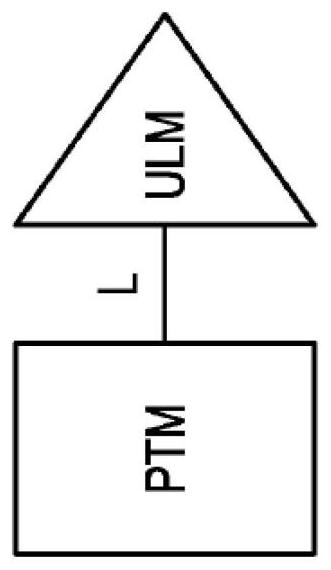
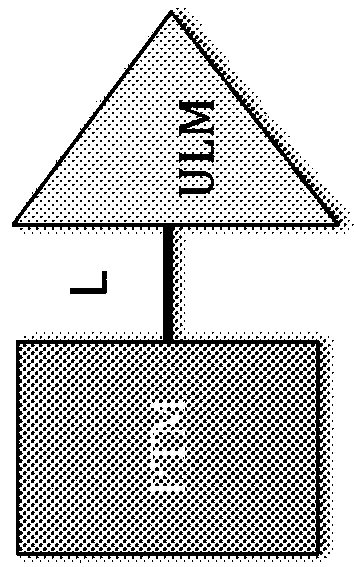
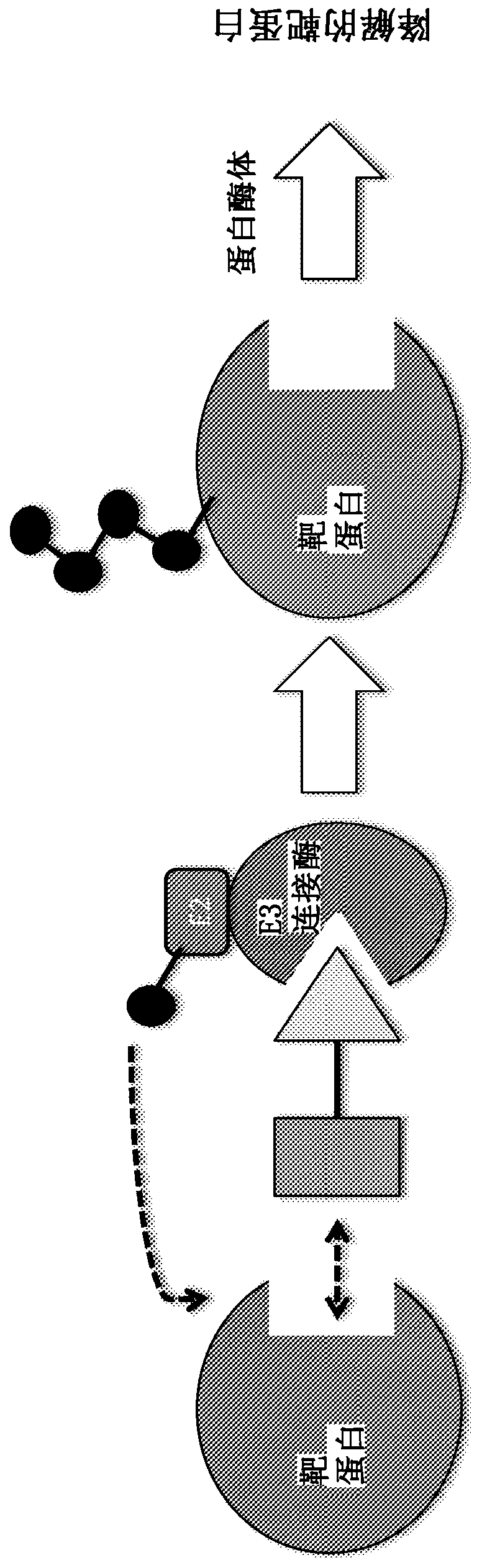
The present disclosure relates to bifunctional compounds, ULM- L-PTM, which find utility as modulators of Rapidly Accelerated Fibrosarcoma (RAF, such as c-RAF, A- RAF and / or B-RAF; the target protein). In particular, the present disclosure is directed to bifunctional compounds, which contain on one end a Von Hippel-Lindau, cereblon, Inhibitors of Apotosis Proteins or mouse double-minute homolog 2 ligand which binds to the respective E3 ubiquitin ligase and on the other end a moiety which binds the target protein RAF, such that the target protein is placed in proximity to the ubiquitin ligase to effect degradation (and inhibition) of target protein. The present disclosure exhibits a broad range of pharmacological activities associated with degradation / inhibition of target protein. Diseases or disorders that result from aggregation or accumulation of the target protein, or the constitutive activation of the target protein, are treated or prevented with compounds and compositions of the present disclosure.
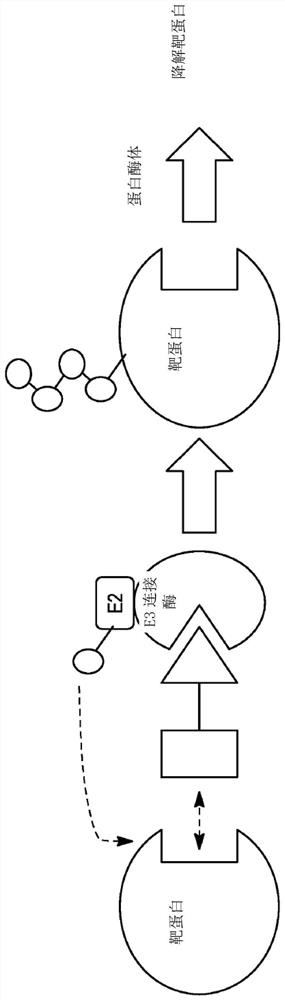
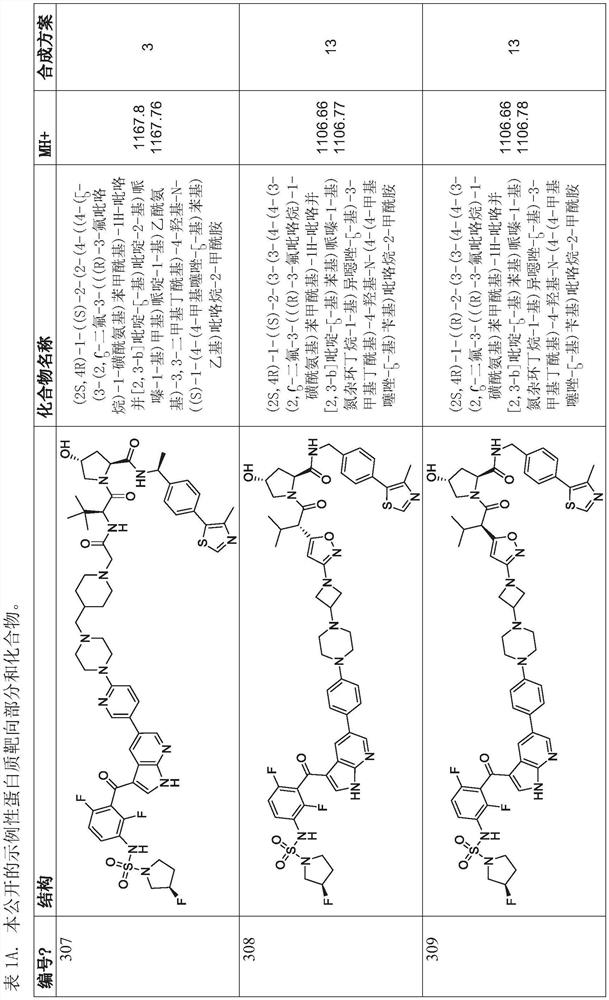
Owner:ARVINAS OPERATIONS INC +1
Novel luciferases and methods for using same
The present invention is directed toward nucleic acid molecules encoding novel luciferases, their functional fragments, homologues and mutants, as well as proteins encoded by the aforementioned nucleic acids. The nucleic acid molecules of interest are isolated from fungi or produced by methods of genetic engineering. Host cells, stable cell lines and transgenic organisms containing the aforementioned nucleic acid molecules are also provided. Furthermore, antibodies specific to the proteins of the present invention are provided. The aforementioned proteins and nucleic acids are useful in many applications and methods, and more particularly, they can be used for labelling organisms, cells, microbody organelles or proteins. Also, said protein and nucleotide compositions are useful in methodsof detection of protein-protein interactions when testing activity of promoters in various conditions. Finally, kits are provided for using proteins and nucleic acids of the present invention in various methods and applications.


Owner:普兰塔有限公司
Killing apparatus for harmful microbody organisms in water, killing method, and water conveying engineering system
ActiveCN102424458ADoes not affect survivalEnsure safetyMultistage water/sewage treatmentWater/sewage treatment using germicide/oligodynamic-processWater sourceWater flow
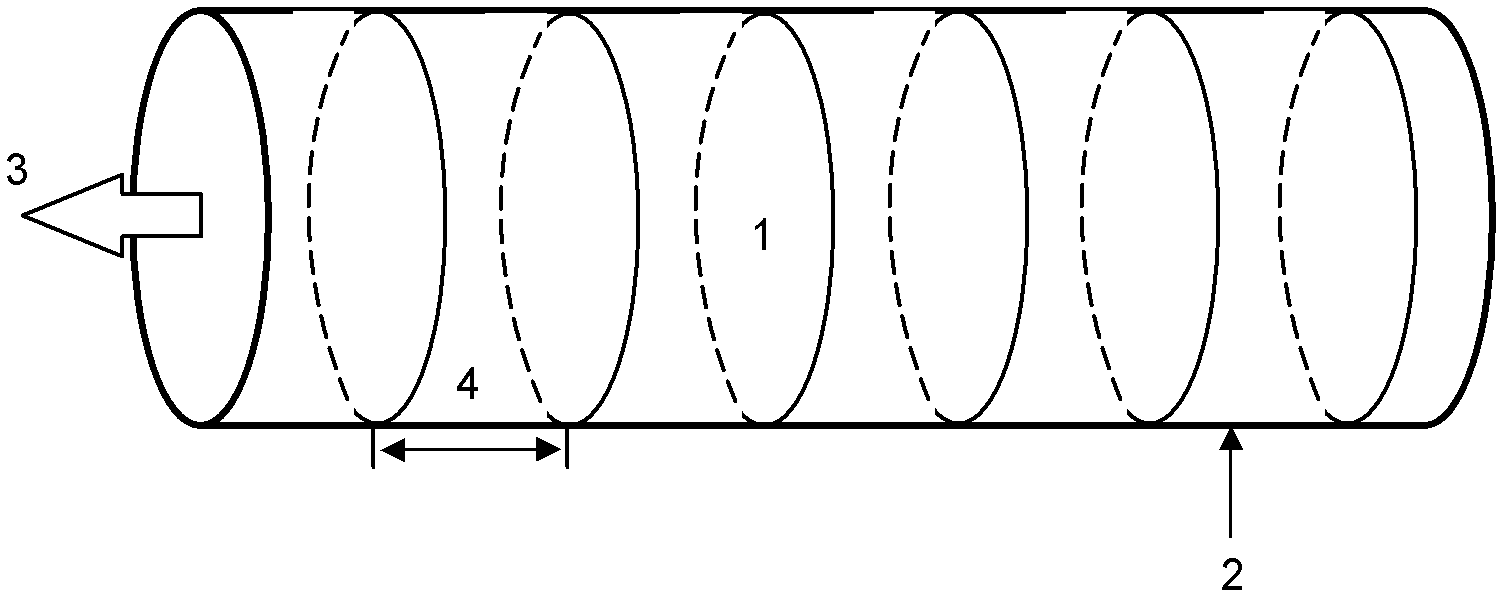
The present invention provides a killing apparatus for harmful microbody organisms in water. The killing apparatus comprises an overflowing channel and hole plates arranged inside the overflowing channel. The hole plate crosses the overflowing channel along the overflowing cross-section direction, and forms a fixed connection with the inner wall of the overflowing channel, wherein no gap is remained between the hole plate and the inner wall of the overflowing channel. According to the present invention, with the pushing effect of the power system for pushing the flow of the water, the water flow passes through the hole plates with different specifications so as to generate different pulse waves, such that the harmful microbody organisms in the water can be effectively and selectively killed, wherein the body lengths of the harmful microbody organisms are in a certain body length range, therefore, the use requirements of the water source are met, the organisms living in the water are not damaged or damaged less so as to contribute to the use of the water source, wherein the body lengths of the organisms living in the water are not the same as the body lengths of the killed subjects. The present invention further relates to a killing method for the harmful microbody organisms in the water, and a water conveying engineering system applied by the killing apparatus and the killing method.
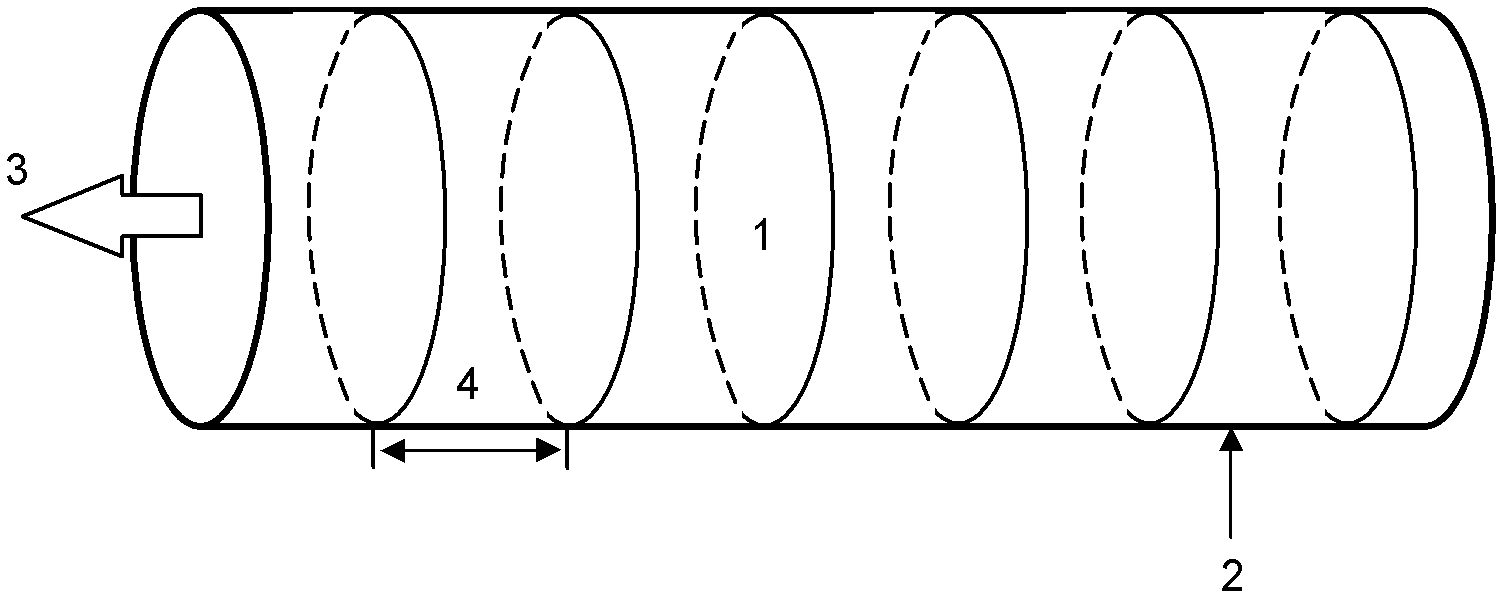
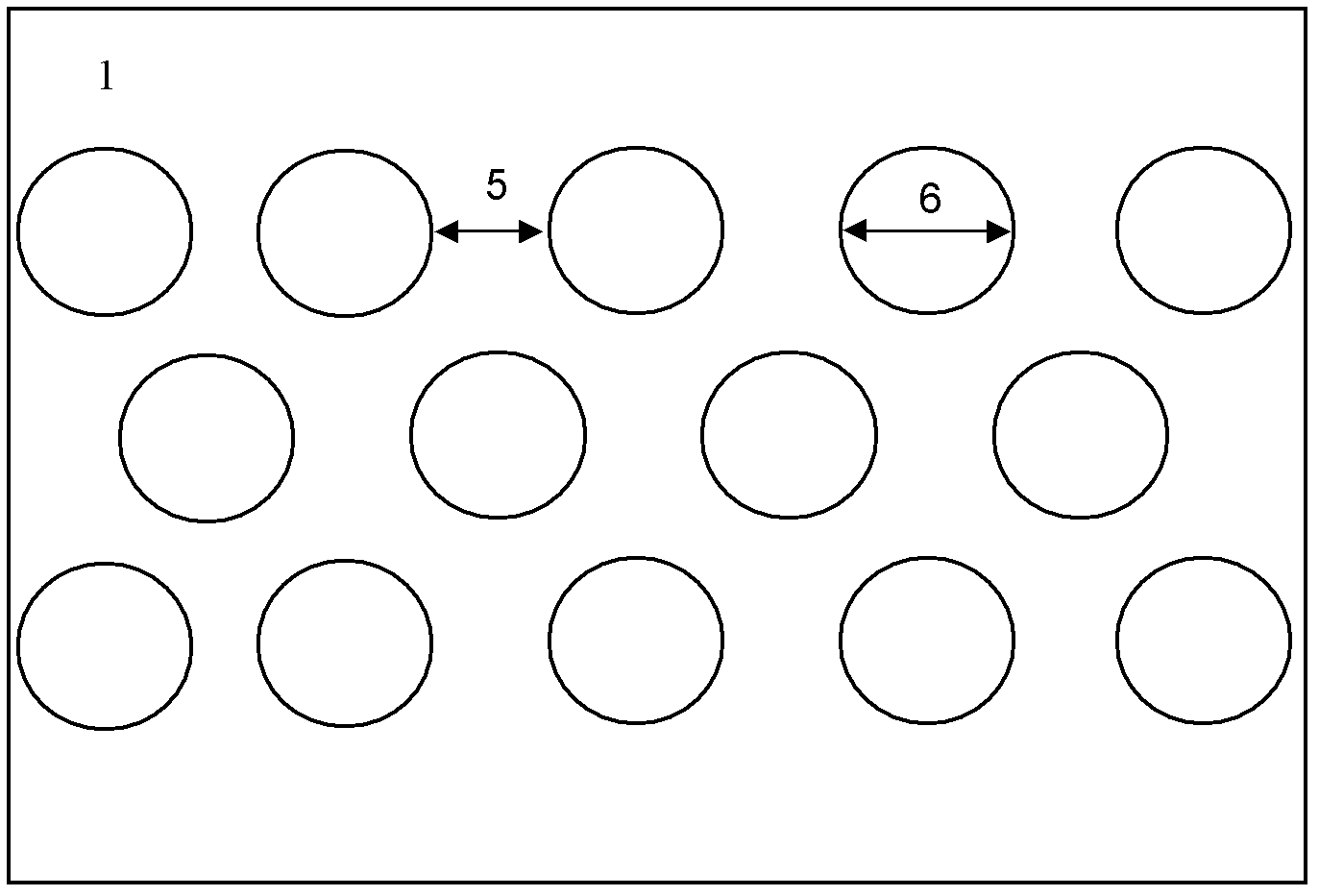
Owner:TSINGHUA UNIV
Modulators of BCL6 proteolysis and associated methods of use
Bifunctional compounds, which find utility as modulators of B-cell lymphoma 6 protein (BCL6; target protein), are described herein. In particular, the bifunctional compounds of the present disclosure contain on one end a Von Hippel-Lindau, cereblon, Inhibitors of Apotosis Proteins or mouse double-minute homolog 2 ligand that binds to the respective E3 ubiquitin ligase and on the other end a moiety which binds the target protein, such that the target protein is placed in proximity to the ubiquitin ligase to effect degradation (and inhibition) of target protein. The bifunctional compounds of the present disclosure exhibit a broad range of pharmacological activities associated with degradation / inhibition of target protein. Diseases or disorders that result from aggregation or accumulation of the target protein are treated or prevented with compounds and compositions of the present disclosure.


Owner:ARVINAS OPERATIONS INC
Compounds and methods for the targeted degradation of rapidly accelerated fibrosarcoma polypeptides
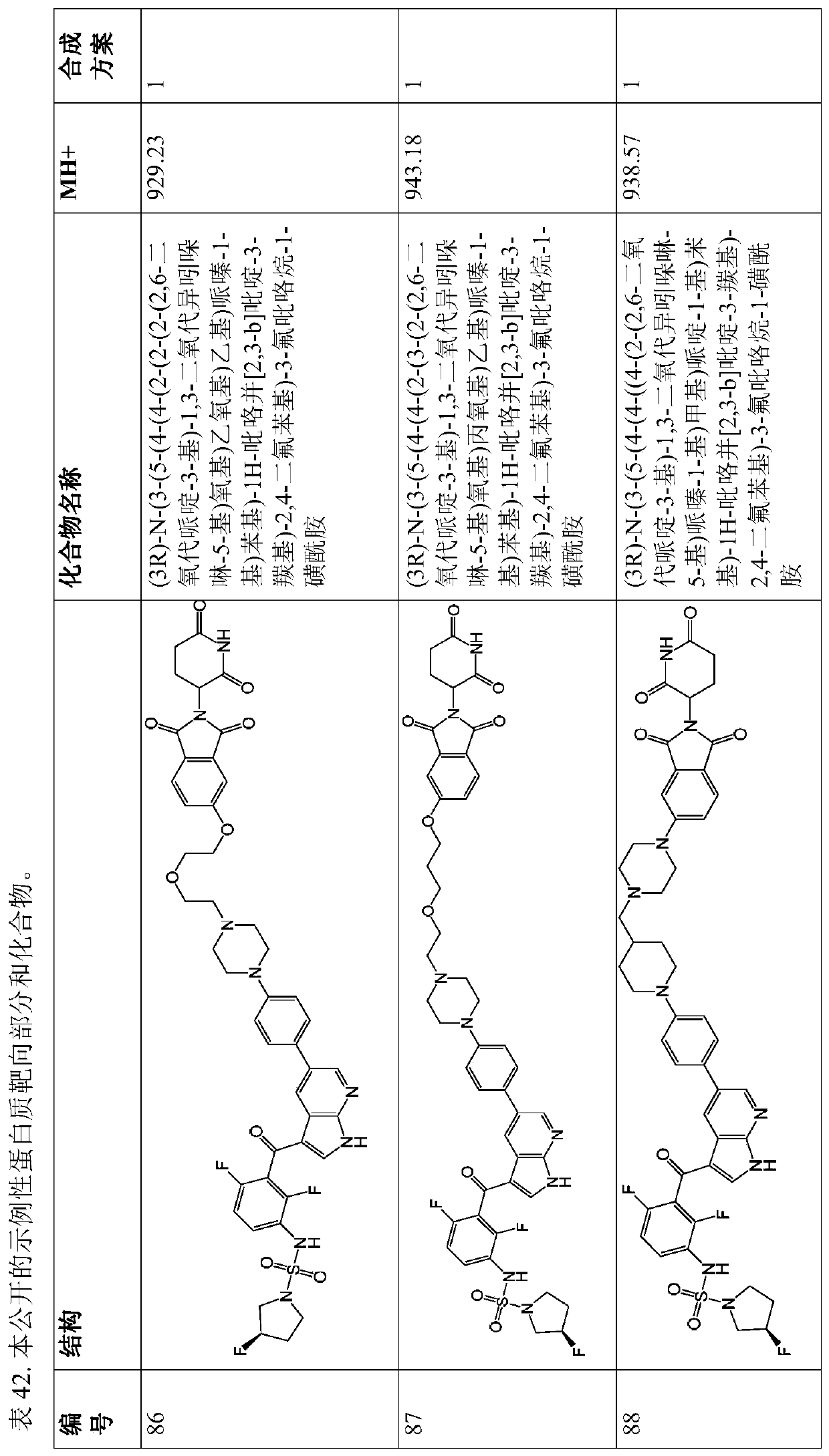
The present disclosure relates to bifunctional compounds, which find utility as modulators of Rapidly Accelerated Fibrosarcoma (RAF, such as c-RAF, A-RAF and / or B-RAF; the target protein). In particular, the present disclosure is directed to bifunctional compounds, which contain on one end a Von Hippel-Lindau, cereblon, Inhibitors of Apotosis Proteins or mouse double-minute homolog 2 ligand whichbinds to the respective E3 ubiquitin ligase and on the other end a moiety which binds the target protein RAF, such that the target protein is placed in proximity to the ubiquitin ligase to effect degradation (and inhibition) of target protein. The present disclosure exhibits a broad range of pharmacological activities associated with degradation / inhibition of target protein. Diseases or disordersthat result from aggregation or accumulation of the target protein, or the constitutive activation of the target protein, are treated or prevented with compounds and compositions of the present disclosure.
Owner:ARVINAS OPERATIONS INC +1
Solid forms of MDM2 degraders
PCT designated stage expiredWO2024197221A2Organic active ingredientsOrganic chemistry methodsDiseaseDe ubiquitination


Owner:KYMERA THERAPEUTICS INC
Bifunctional molecules containing E3 ubiquitin ligase binding moiety linked to BCL6 targeting moiety
The present invention describes bifunctional molecules containing an E3 ubiquitin ligase binding moiety linked to a BCL6 targeting moiety. In particular, the present invention describes bifunctional compounds that can be used as a polymer of B cell lymphoma 6 protein (BCL6; a target protein). Specifically, the bifunctional compounds of the present disclosure contain, on one end, a Hilegel-forest, cerebellar, apoptosis inhibitor protein, or a mouse double minute homolog 2 ligand that binds to the corresponding E3 ubiquitin ligase, and on the other end, a moiety that binds to the target protein such that the target protein is disposed in proximity to the ubiquitin ligase, the degradation (and inhibition) of the target protein is realized. The bifunctional compounds of the present disclosure exhibit a wide range of pharmacological activities associated with degradation / inhibition of a target protein. The compounds and compositions of the present disclosure are used to treat or prevent diseases or conditions resulting from aggregation or accumulation of target proteins.

Owner:ARVINAS OPERATIONS INC
MDM2 degraders and uses thereof
PCT designated stage expiredWO2024197219A1Organic chemistryAmine active ingredientsDiseaseDe ubiquitination
The present invention relates to compositions useful for the modulation of murine double minute 2 (MDM2) protein via ubiquitination and / or degradation and uses of the same in the treatment various diseases.


Owner:KYMERA THERAPEUTICS INC
Killing apparatus for harmful microbody organisms in water, killing method, and water conveying engineering system
ActiveCN102424458BDoes not affect survivalEnsure safetyMultistage water/sewage treatmentWater/sewage treatment using germicide/oligodynamic-processWater sourceWater flow
The present invention provides a killing apparatus for harmful microbody organisms in water. The killing apparatus comprises an overflowing channel and hole plates arranged inside the overflowing channel. The hole plate crosses the overflowing channel along the overflowing cross-section direction, and forms a fixed connection with the inner wall of the overflowing channel, wherein no gap is remained between the hole plate and the inner wall of the overflowing channel. According to the present invention, with the pushing effect of the power system for pushing the flow of the water, the water flow passes through the hole plates with different specifications so as to generate different pulse waves, such that the harmful microbody organisms in the water can be effectively and selectively killed, wherein the body lengths of the harmful microbody organisms are in a certain body length range, therefore, the use requirements of the water source are met, the organisms living in the water are not damaged or damaged less so as to contribute to the use of the water source, wherein the body lengths of the organisms living in the water are not the same as the body lengths of the killed subjects. The present invention further relates to a killing method for the harmful microbody organisms in the water, and a water conveying engineering system applied by the killing apparatus and the killing method.
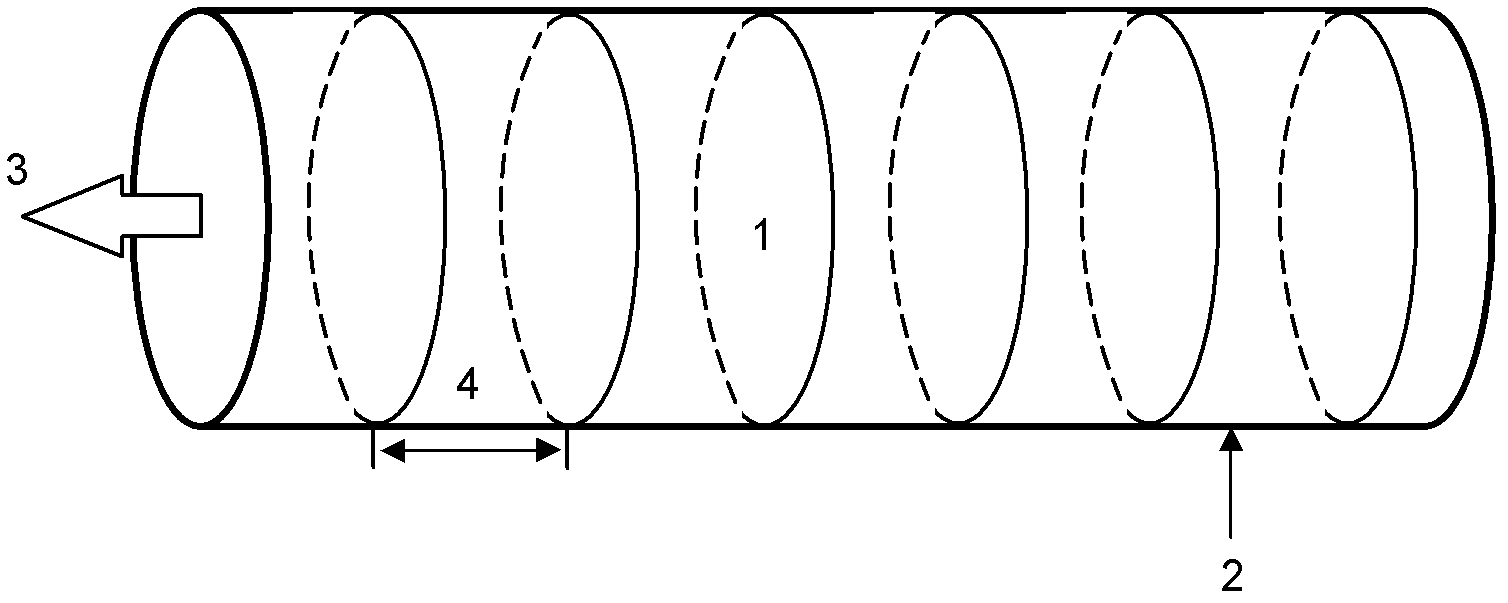
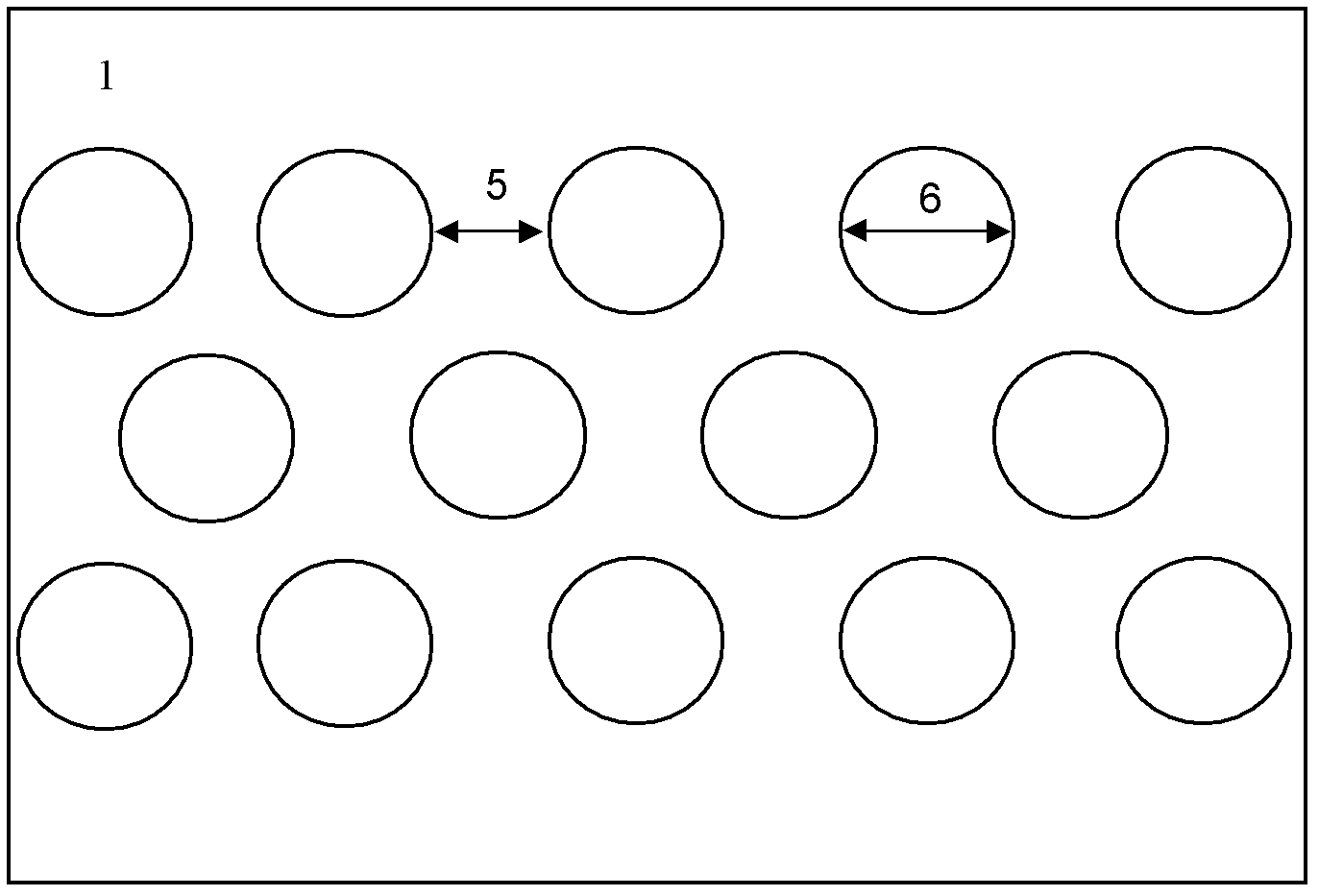
Owner:TSINGHUA UNIV
Automatic water change device for micropaleontological extraction
ActiveCN104017716AReduce biological lossReduce lossBioreactor/fermenter combinationsBiological substance pretreatmentsInlet valveDistilled water
The invention relates to an automatic water change device for micropaleontological extraction. The automatic water change device is characterized in that a PP (polypropylene) water tank cover is arranged at the top, filled with distilled water, of a semi-transparent PP water tank; a water inlet valve is arranged on the PP water tank cover; a water outlet valve is arranged on the side wall of the semi-transparent PP water tank at the upper part of the distilled water; a water guide pipe passes through a small hole in the edge of the semi-transparent PP water tank so as to be connected with a dripping bucket and a water control valve in sequence, and passes through a bottle cover to enter a sealed plastic cup with supernatant liquor and samples subjected to acid treatment; a water guide pipe connector is arranged at the top end of the water guide pipe and is retained in the distilled water; a water outlet pipe is inserted into the bottle cover. The automatic water change device has the advantages that the loss rate of micro (paleontological) organisms is reduced, the working efficiency is effectively improved and the potential safety hazard is eliminated; a solid laboratory foundation is laid for effective micro (paleontological) extraction, microscopic identification and micro (paleontological) research.


Owner:NORTHWEST INST OF ECO-ENVIRONMENT & RESOURCES CAS
Polycyclic compounds and methods for targeted degradation of rapidly progressing fibrosarcoma polypeptides
To provide compounds that find utility as modulators of RapidlyAcceleratedFibrosarcoma (RAF, such as c-RAF, A-RAF and / or B-RAF; target proteins).SOLUTION: The present invention is directed to bifunctional compounds that contain a von Hippel-Lindau, cereblon, Inhibitorsof Apoptosis Proteins, or mousedouble-RAF ligand that binds to the respective E3 ubiquitin ligase at one end and a moiety that binds to the target proteins RAF at the other end, such that the target proteins are placed in proximity to the ubiquitin ligase to effect degradation (and minutehomolog2) of the target proteins. The present disclosure presents a wide range of pharmacological activities related to degradation / inhibition of target proteins.SELECTED DRAWING: None


Owner:ARVINAS OPERATIONS INC +1
MDM2 degraders and uses thereof
The present invention relates to compounds and methods useful for the modulation of mouse double minute 2 homolog (“MDM2”) protein via ubiquitination and / or degradation by compounds according to the present invention.


Owner:KYMERA THERAPEUTICS INC
Ice forceps operatig microbody by ice ball formed using liquid freezing
InactiveCN1206339CCompact structureSimple structureBioreactor/fermenter combinationsBiological substance pretreatmentsElectricityLiquid nitrogen cooling
The ice tweezers for manipulating tiny objects involved in the present invention include a microprobe, which is a three-layer concentric sleeve tube composed of a concentrically placed liquid nitrogen transmission inner tube, a middle tube and an outer tube, the middle tube and the liquid nitrogen The space between the nitrogen transmission inner tubes constitutes the gas return channel after the liquid nitrogen is vaporized, and the space between the middle tube and the outer tube is a vacuum layer; a cone-shaped ice tweezers probe integrated with the micro probe, the inner There is a liquid nitrogen channel communicated with the liquid nitrogen transmission inner layer pipe of the microprobe; a micro electric heating film coated on the outer surface of the microprobe and the ice tweezers probe; the ice tweezers are cooled by liquid nitrogen, by changing the micro The current on the electric heating sheet realizes different heating, so that the operation and unloading of tiny objects can be realized by controlling the size of the hockey puck, and its operation continuity is good, the controllable displacement range is wide, the force is large, the speed response is fast, and the structure is simple. , low cost, easy operation and so on.


Owner:TECHNICAL INST OF PHYSICS & CHEMISTRY - CHINESE ACAD OF SCI
Root inductive method for microbody reproduction of Japan dahurian larch
InactiveCN1224314CHigh rooting rateShort realization cycleHorticulture methodsPlant tissue cultureAxillary budGermplasm
The root inducing method for microbody reproduction of Japanese larch is that annual material of Japanese larch clone is made to complete the regeneration of root organ via the combined stem inducing, varying temperature culture in rooting culture medium and sub-reproduction. It includes the steps of collection and pre-treatment of material via culture in water at normal temperature for two weeks; preparing improved MS culture medium; inoculating axillary bud cut down from flow water washed branch and sterilized to stem inducing culture medium for growing adventitious stem; transferring the adventitious stem in rooting culture medium for growing root; and sub-reproduction in varying temperature to complete the regeneration of root organ. The present invention can speed the reproduction of Japanese larch and colony amplification.

Owner:天津仁怡生物工程技术有限公司
Toxoplasma gondii sag2 gene and mic3 gene recombinant adenovirus construction method, recombinant adenovirus and application
The invention discloses a method for constructing a recombinant adenovirus of Toxoplasma gondii SAG2 (surface antigen 2) gene and MIC3 (microbody protein 3) gene, and the recombinant adenovirus and application. from Toxoplasma gondii The SAG2 gene and the MIC3 gene were amplified from the RH strain, the obtained target gene was cloned into the shuttle vector pHBAd-EF1a-MCS-3flag-CMV-EGFP, and the recombinant adenovirus shuttle plasmid pHBAd- HEK293A cells were co-transfected with SAG2‑MIC3‑EGFP and the adenovirus large backbone pBHGlox(delta)E1,3Cre, and recombinant adenovirus Ad‑SAG2‑MIC3‑EGFP containing SAG2 gene and MIC3 gene was obtained by recombination and packaging; After immunizing Balb / c mice, the antibody level of the mice was significantly increased, the proportion of activated TCL and Th lymphocytes was significantly increased, and cytokines such as IF-γ, IL-6 and TN-α were significantly increased, and the levels of Balb / c were significantly increased. Mice have a certain protective effect.


Owner:SHENYANG AGRI UNIV
High-throughput screening for ligands of transmembrane proteins
PendingDE102023115912A9Library screeningBiological material analysisMultiplexHigh-Throughput Screening Methods
The invention relates to a high-throughput screening for at least one ligand of at least one transmembrane protein (TP) of interest embedded in a lipid bilayer of at least one endogenous microsome derived from a plant endoplasmic reticulum (ER), comprising the steps of providing at least one endogenous microsome comprising at least one transmembrane protein (TP) embedded in a lipid bilayer or of at least one endogenous microsomal fragment comprising at least one transmembrane protein (TP) embedded in a lipid bilayer, providing at least one analyte of interest, contacting the at least one TP with the at least one analyte, and detecting an interaction between the at least one analyte and the at least one TP.The screening method is suitable for high multiplex levels of target compounds and analytes and for the rapid and reproducible identification of ligands as potential drug candidates. In addition, the invention provides all essential products, consumables, and kits for use in high-throughput screening.

Owner:LENIOBIO GMBH
Proteolysis modulators and related methods of use
The invention relates to modulators of proteolysis and related methods of use. The present disclosure relates to bifunctional compounds that are useful as modulators of Kirsteen rat sarcoma proteins (target proteins). In particular, the present disclosure relates to bifunctional compounds having one end containing a Von Hippel-Lindau, cerebron, an apoptotic protein inhibitor or a mouse double minute 2 homolog ligand that binds to the respective E3 ubiquitin ligase and the other end containing a moiety that binds to a target protein such that the target protein is placed in proximity to the ubiquitin ligase to effect degradation (and inhibition) of the target protein. The present disclosure exhibits a broad range of pharmacological activities related to degradation / inhibition of a target protein. Treatment or prevention of diseases or conditions caused by aggregation, accumulation and / or overactivity of target proteins with the compounds and compositions of the invention.

Owner:ARVINAS OPERATIONS INC +1
Structural Protein Microbody and Method for Producing Same, Method for Producing Nanofiber, and Method for Producing Protein Structure
PendingUS20220235099A1Advantageously producedEasy to produceCosmetic preparationsToilet preparationsStainingProtein structure
Provided is a structural protein microbody that functions as a core for forming a protein nanofiber. There is provided a structural protein microbody including a structural protein, in which the structural protein microbody satisfies at least two of the following (i) to (iii): (i) a peak is present within a range of 480 to 500 nm in a fluorescence intensity measurement by thioflavin T staining; (ii) a peak is present in a region where Q is 0.15 or less in a modified Kratky plot of small angle X-ray scattering (SAXS); and (iii) the structural protein microbody is an aggregate of two or more structural protein molecules.


Owner:SPIBER INC
Polycyclic compounds and methods for targeted degradation of rapidly accelerated fibrosarcoma polypeptides
The present invention relates to polycyclic compounds and methods for targeted degradation of rapidly accelerated fibrosarcoma polypeptides. The present disclosure relates to bifunctional compounds, ULM-L-PTM, which are useful as modulators of rapidly accelerated fibrosarcoma. In particular, the disclosure relates to bifunctional compounds containing on one end a Von Hippel-Lindau, human cerebellar protein, apoptosis inhibitor protein, or a mouse double minute homolog 2 ligand that binds to the corresponding E3 ubiquitin ligase, and on the other end a moiety that binds to the target protein RAF, the target protein is placed in proximity to the ubiquitin ligase to effect degradation (and inhibition) of the target protein. The present disclosure exhibits a wide range of pharmacological activities associated with degradation / inhibition of a target protein.

Owner:ARVINAS OPERATIONS INC +1
Compounds and methods for targeted degradation of RAF (rapidly accelerated fibrosarcoma) polypeptides
To provide bifunctional compounds, which find utility as modulators of RAF (rapidly accelerated fibrosarcoma, such as c-RAF, A-RAF and / or B-RAF; the target protein).SOLUTION: The present disclosure is directed to bifunctional compounds, which contain on one end a Von Hippel-Lindau, cereblon, Inhibitor-of-Apotosis Proteins or MDM2 (mouse double-minute homolog 2) ligand which binds to the respective E3 ubiquitin ligase and on the other end a moiety which binds the target protein RAF, such that the target protein is placed in proximity to the ubiquitin ligase to effect degradation (and inhibition) of the target protein.SELECTED DRAWING: None


Owner:ARVINAS OPERATIONS INC +1