

Patents
Literature
50 results about "Tetraspanin" patented technology
Efficacy Topic
Property
Owner
Technical Advancement
Application Domain
Technology Topic
Technology Field Word
Patent Country/Region
Patent Type
Patent Status
Application Year
Inventor
Tetraspanins are a family of membrane proteins found in all multicellular eukaryotes. Tetraspanins, also referred to as the transmembrane 4 superfamily (TM4SF) proteins, have four transmembrane alpha-helices and two extracellular domains, one short (called the small extracellular domain or loop, SED/SEL or EC1) and one longer, typically 100 amino acid residues (the large extracellular domain/loop, LED/LEL or EC2). Although several protein families have four transmembrane alpha-helices, tetraspanins are defined by conserved amino acid sequences including four or more cysteine residues in the EC2 domain, with two in a highly conserved 'CCG' motif. Tetraspanins are often thought to act as scaffolding proteins, anchoring multiple proteins to one area of the cell membrane.
Cd20 antibodies and uses thereof
CD20 is a transmembrane protein of the tetra-spanin family expressed on the surface of B-cells and has been found on B-cells from peripheral blood as well as lymphoid tissues. CD20 expression persists from the early pre-B cell stage until the plasma cell differentiation stage. Conversely, it is not found on hematopoietic stem cells, pro-B cells, differentiated plasma cells or non-lymphoid tissues. In addition to expression in normal B-cells, CD20 is expressed in B-cell derived malignancies such as non-Hodgkin's lymphoma (NHL) and B-cell chronic lymphocytic leukemia (CLL). CD20 expressing cells are known to play a role in other diseases and disorders, including inflammation. The present invention includes anti-CD20 antibodies, forms and fragments, having superior physical and functional properties; immunoconjugates, compositions, diagnostic reagents, methods for inhibiting growth, therapeutic methods, improved antibodies and cell lines; and polynucleotides, vectors and genetic constructs encoding same.
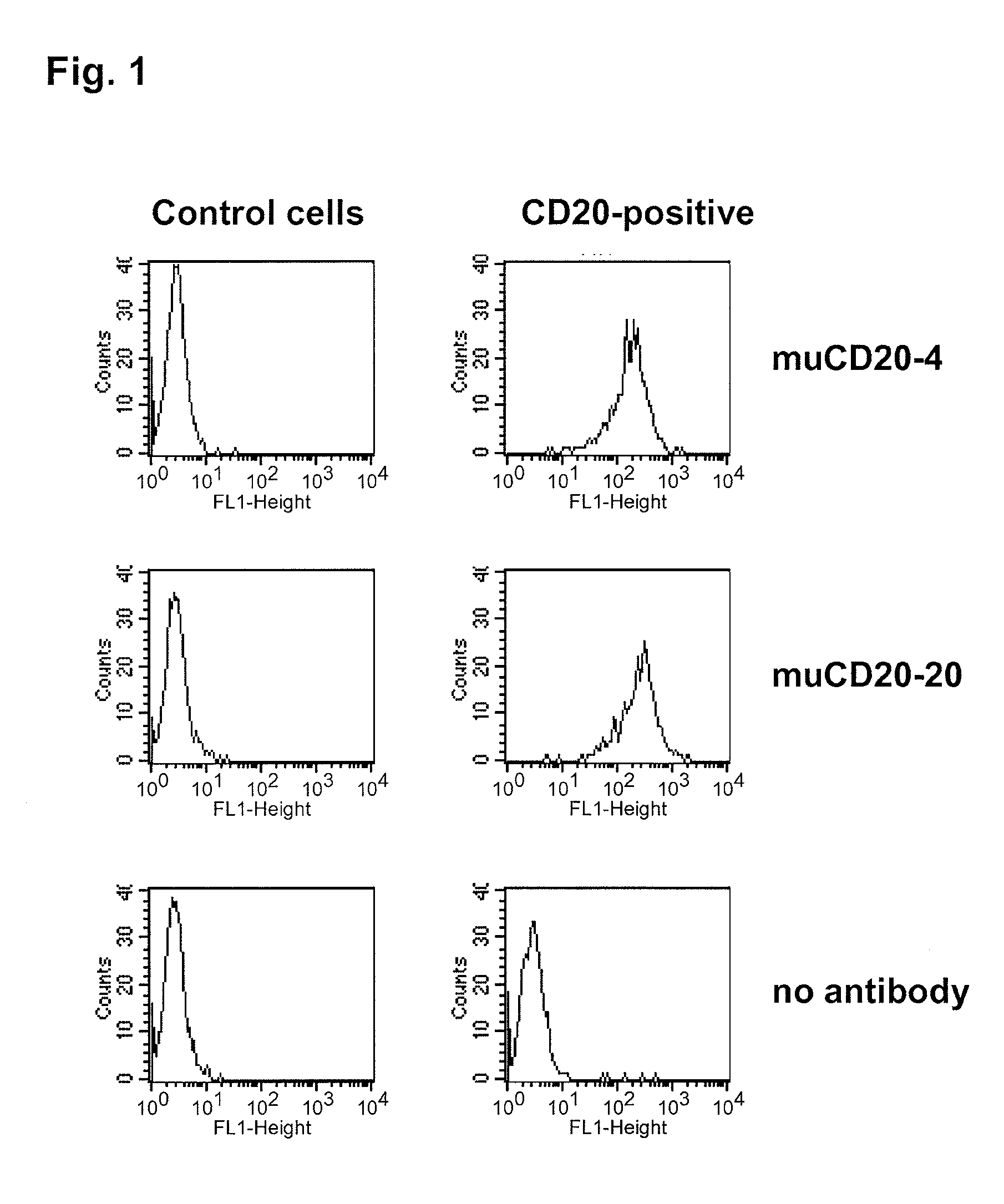
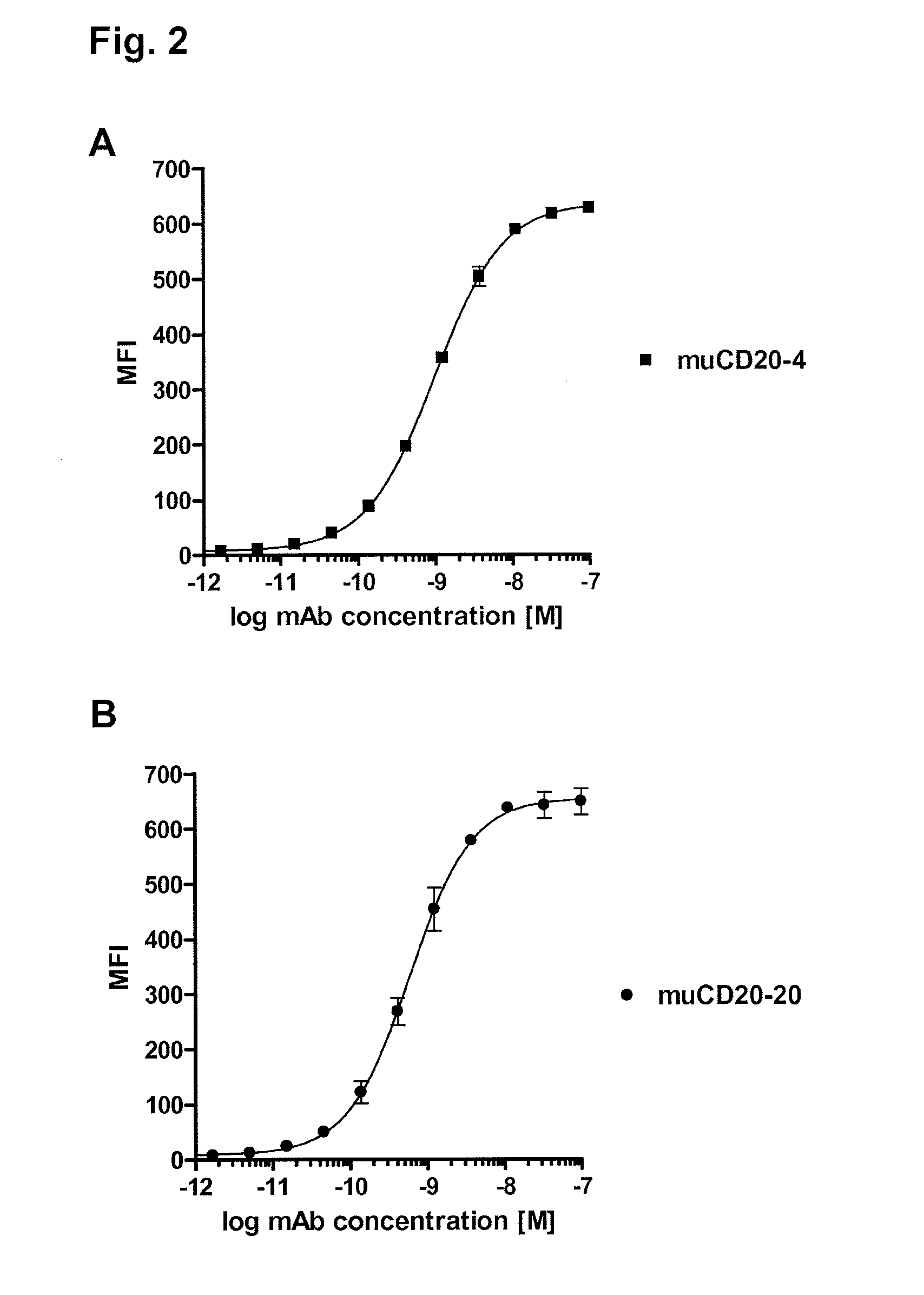
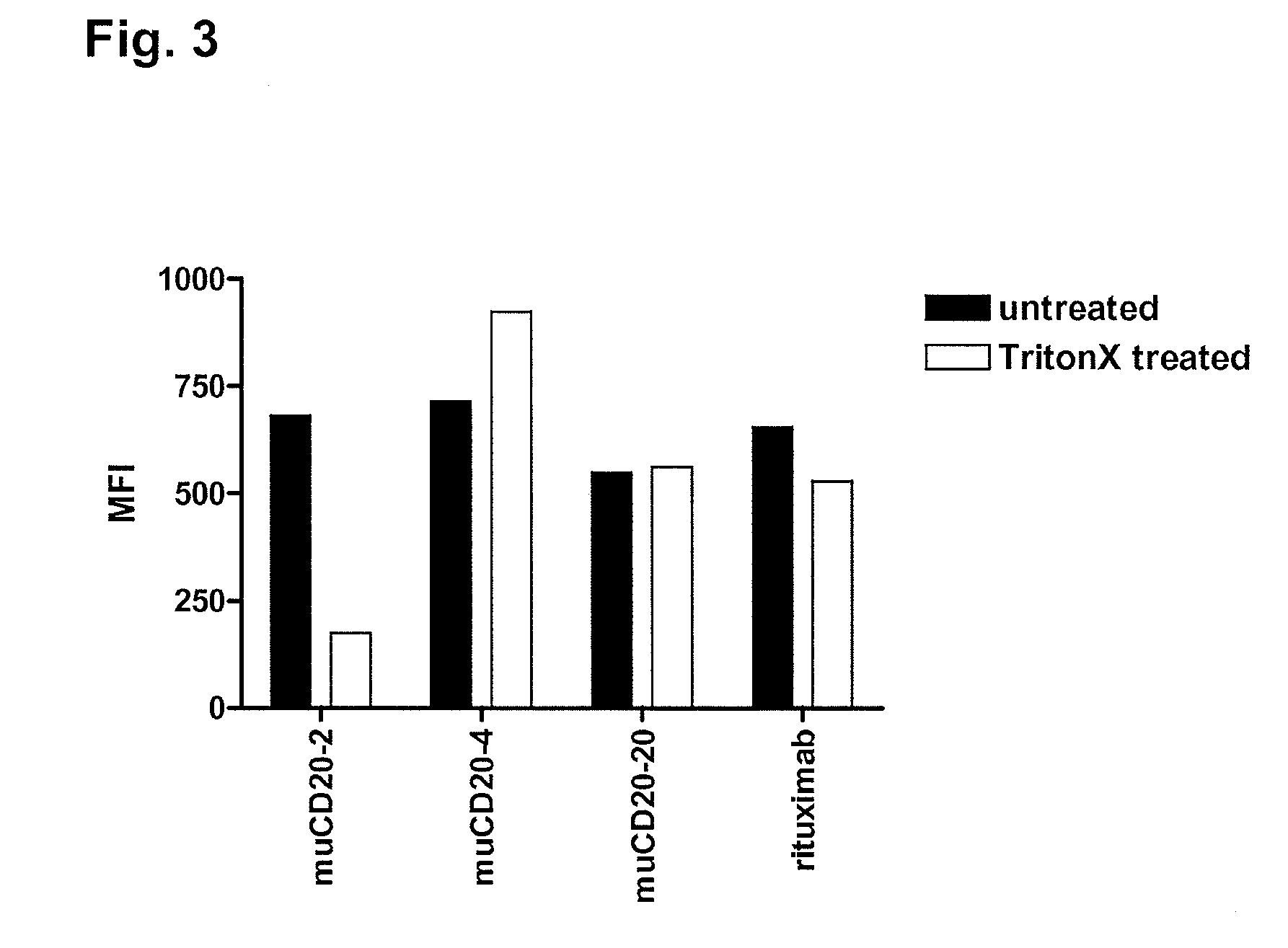
Owner:IMMUNOGEN INC
CD20 Antibodies and Uses Thereof
CD20 is a transmembrane protein of the tetra-spanin family expressed on the surface of B-cells from peripheral blood as well as lymphoid tissues. CD20 expression persists from the early pre-B cell stage until the plasma cell differentiation stage. In addition to expression in normal B-cells, CD20 is expressed in B-cell derived malignancies such as non-Hodgkin's lymphoma (NHL) and B-cell chronic lymphocytic leukemia (CLL). The present invention includes anti-CD20 antibodies and antigen-binding fragments thereof comprising a light chain variable region and a heavy chain variable region, wherein the CDR-L1, CDR-L2, and CDR-L3 of said light chain variable region comprise the amino acid sequences of SEQ ID NOs: 23-25, respectively, and wherein the CDR-H1, CDR-H2, and CDR-H3 of said heavy chain variable region comprise the amino acid sequences of SEQ ID NOs: 26-28, respectively.
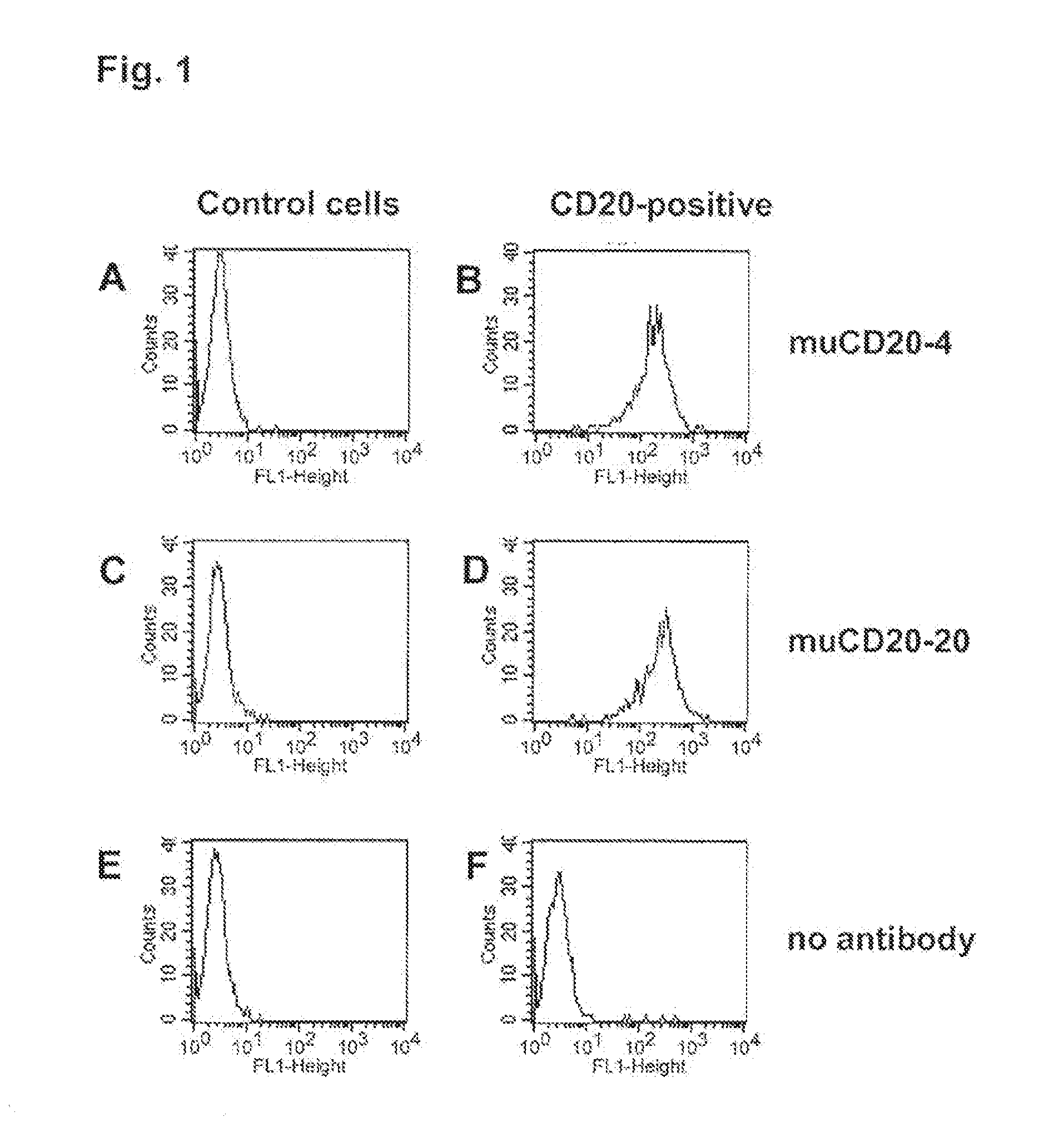
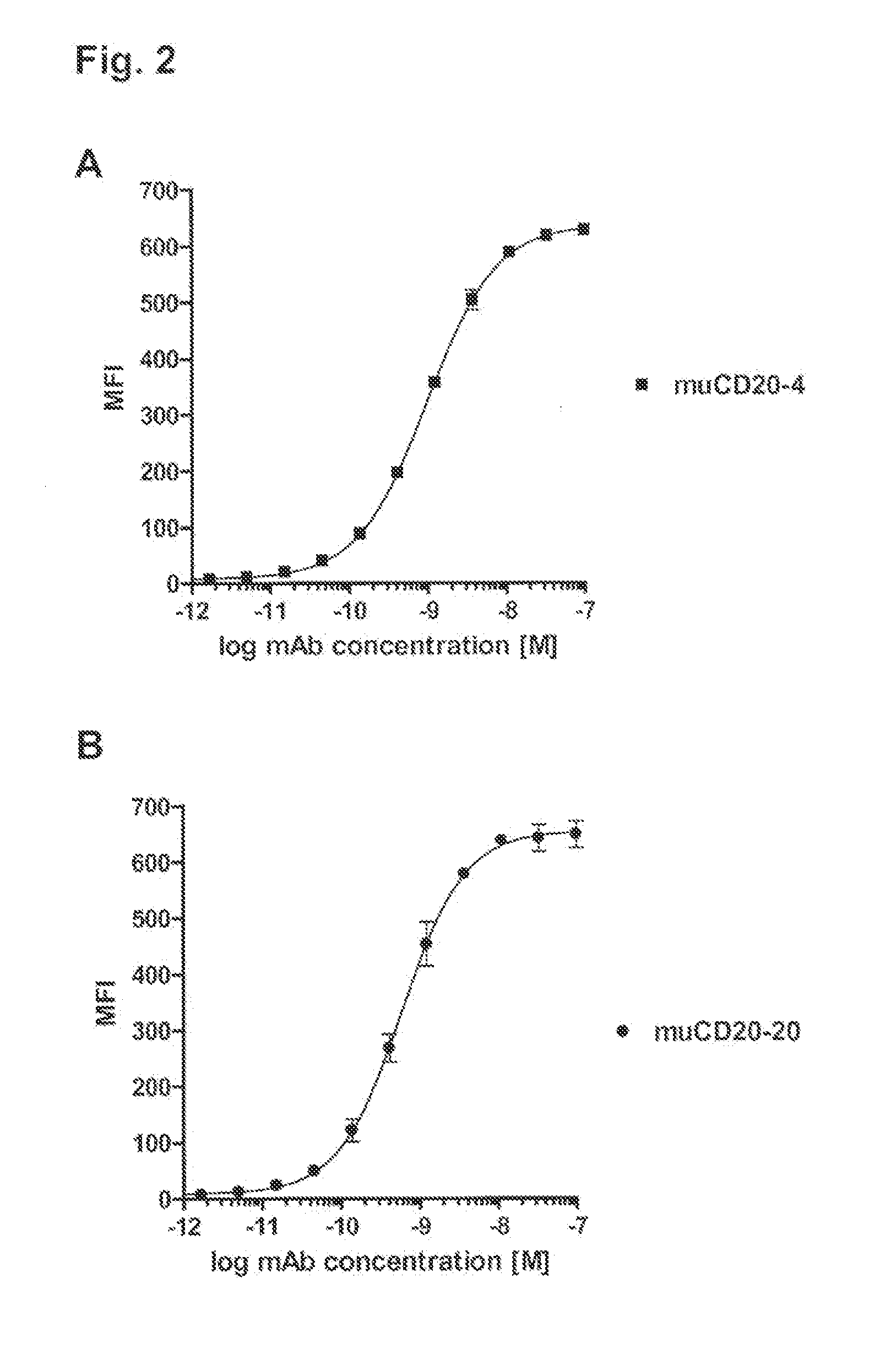
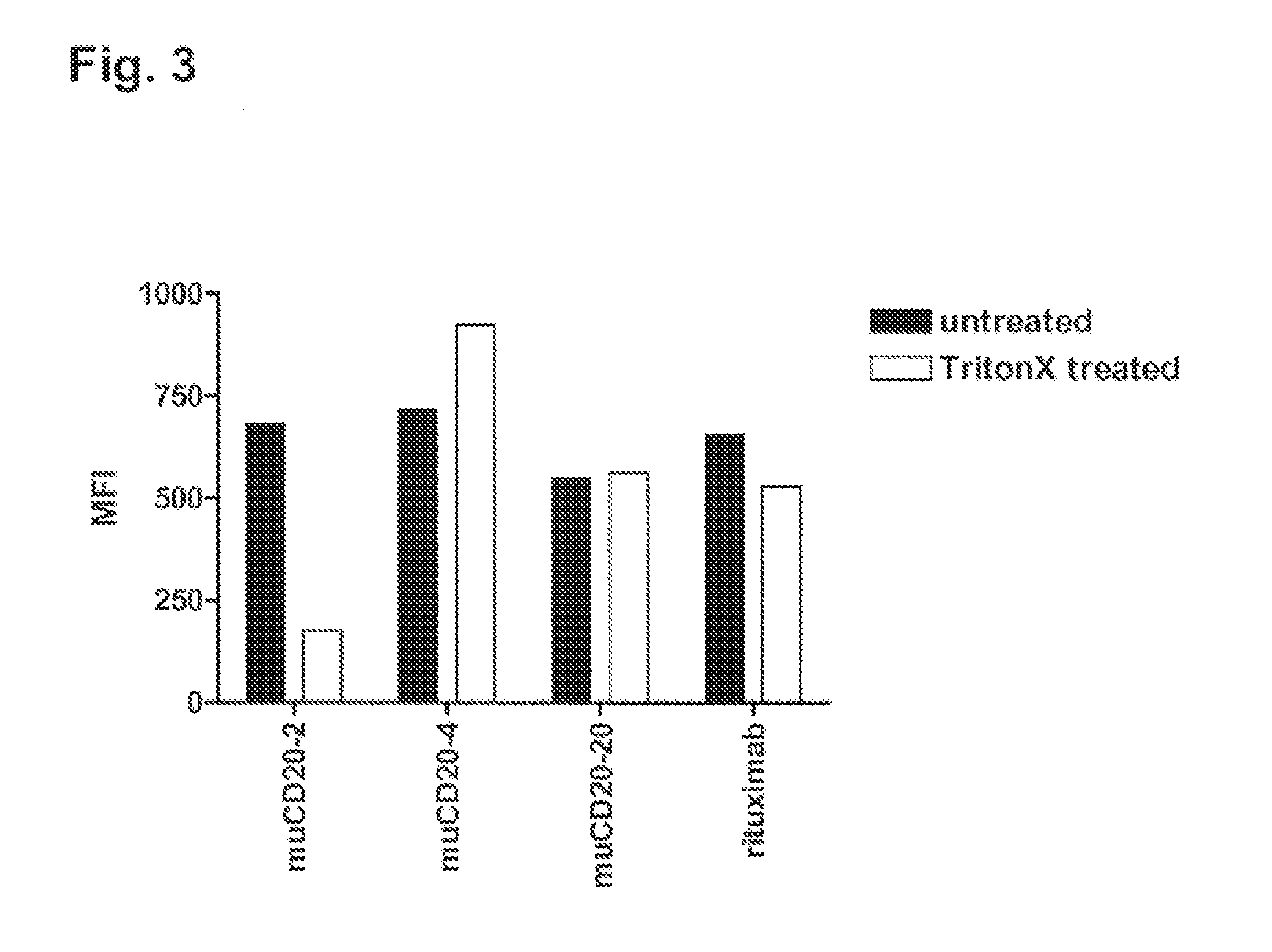
Owner:IMMUNOGEN INC
Engineered Exosomes for the Delivery of Bioactive Cargo Using Transmembrane Tetraspanins
ActiveUS20180015182A1Efficient secretionPolypeptide with localisation/targeting motifFusion with RNA-binding domainTetraspaninAttachment site
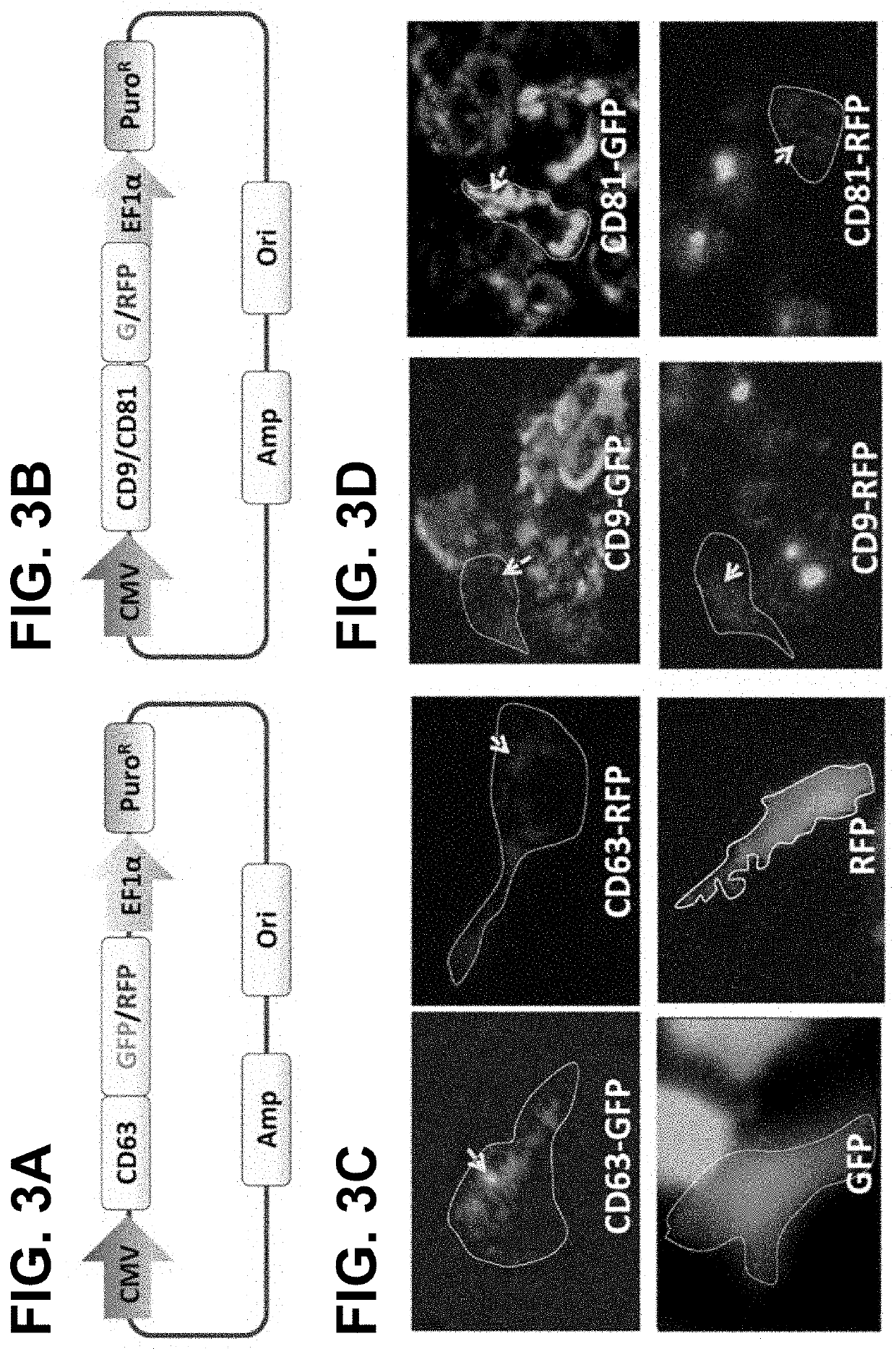
Engineered exosomes for the delivery of bioactive cargo are provided. The exosomes incorporate a tetraspanin transmembrane anchoring scaffold onto the membrane of the exosome. The tetraspanin transmembrane anchoring scaffold has a C-terminal attachment site in the inner-vesicle space of the exosome, a N-terminal attachment site in the inner-vesicle space or the outer-vesicle space, and / or a loop attachment site in the outer-vesicle space. Peptides can be attached to the different attachments sites in any form or combination. Tetrapanins naturally anchor on the exosome membrane, are biocompatible, and allow for robust loading and delivery of bioactive cargos in mammalian system.


Owner:SANTA CLARA UNIVERSITY
Diagnosis and Treatment of SMA and SMN Deficiency
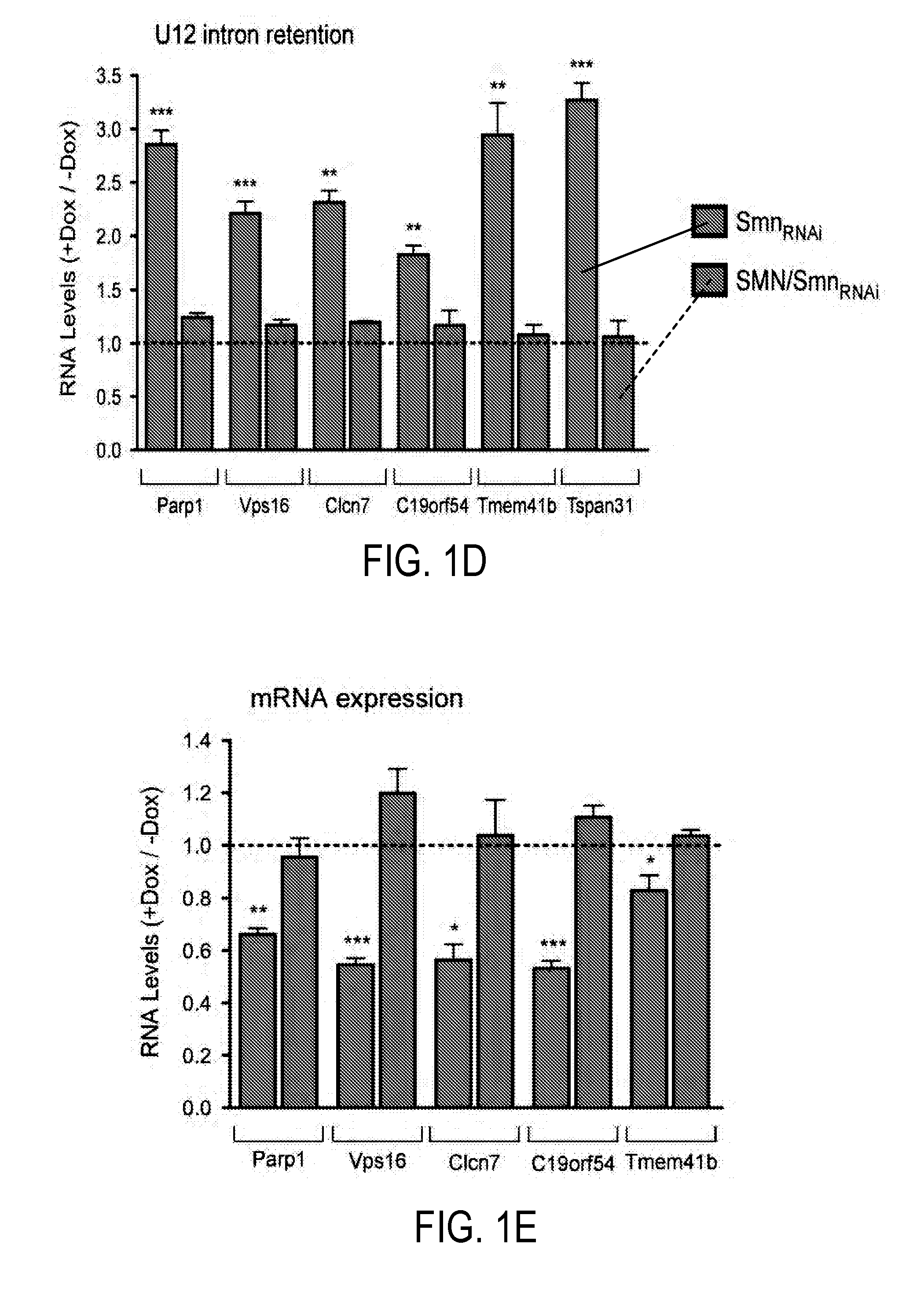
The present invention provides for methods for diagnosing and treating a motor neuron disease. More specifically, the present invention offers new methods for diagnosing and treating SMA or SMN deficiencies and monitoring treatment. It is possible to identify a subject having a symptom of the disease, and then administer to the subject a therapeutically effective amount of one or more proteins or a gene delivery vehicle or pharmaceutical composition comprising one or more genes selected from the group consisting of Transmembrane protein 41B (Stasimon), Chromosome 19 open reading frame 54 (Rashomon), Tetraspanin 31, Poly (ADP-ribose) polymerase family member 1, Histidyl-tRNA synthetase-like, Chloride channel 7, and Nucleolar protein 1.
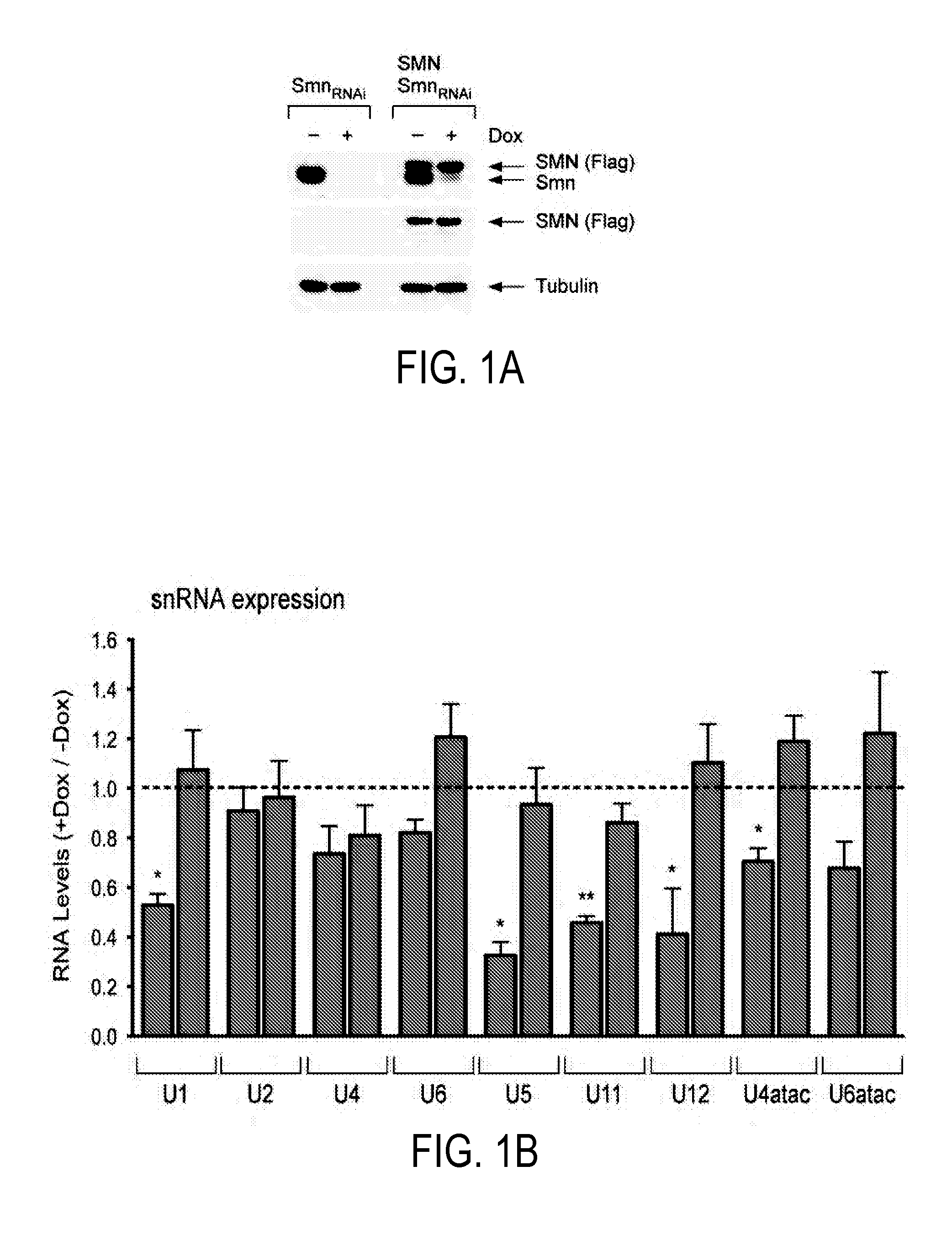
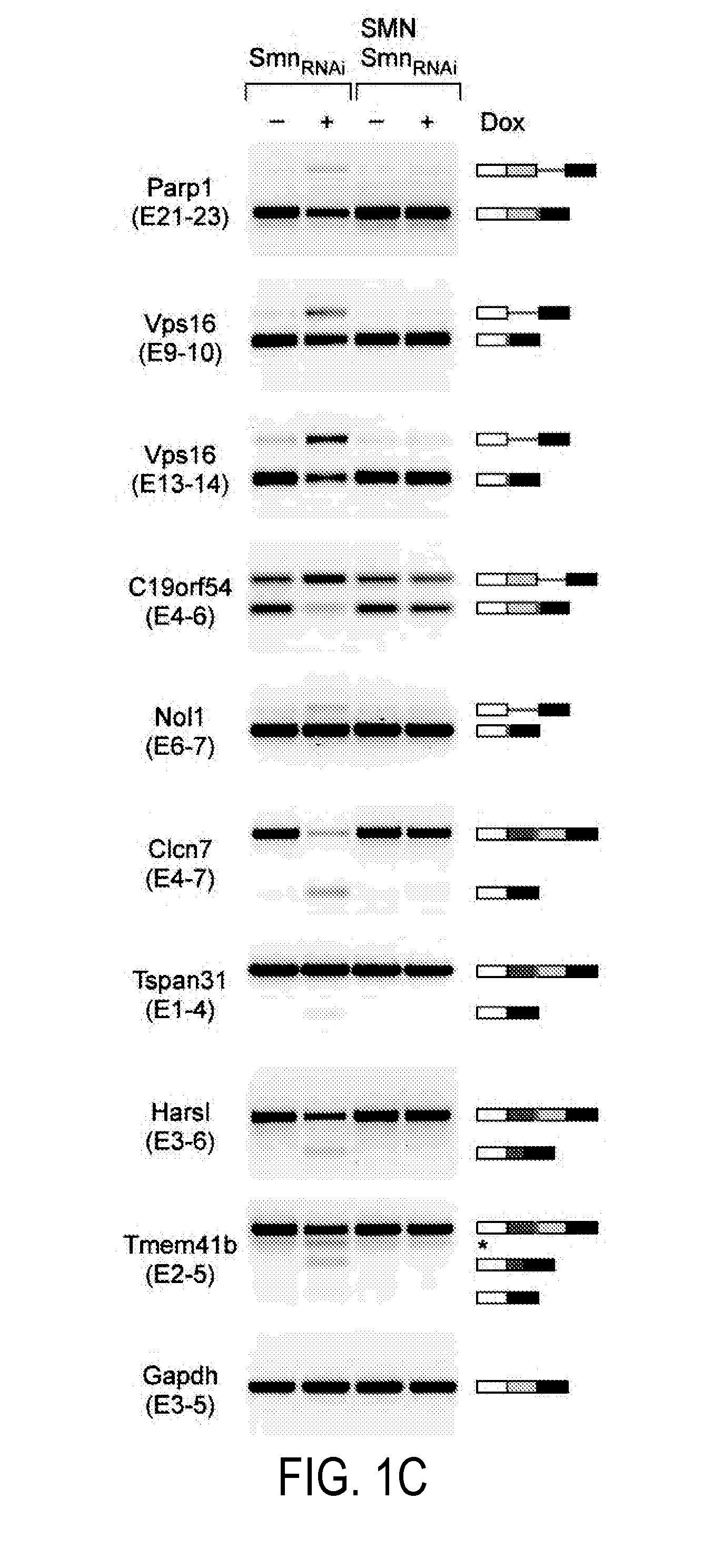
Owner:THE TRUSTEES OF COLUMBIA UNIV IN THE CITY OF NEW YORK
CD20 antibodies and uses thereof
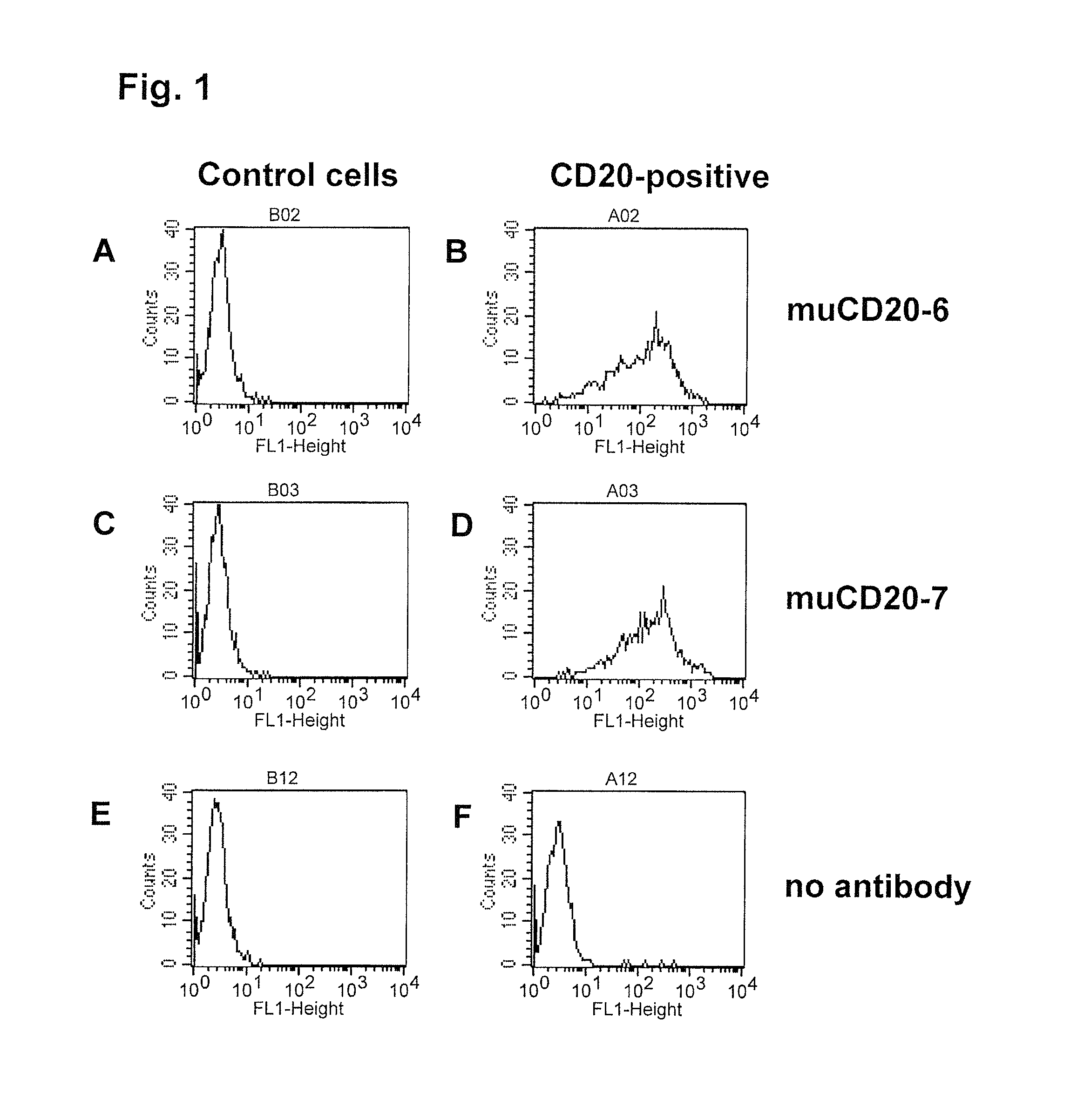
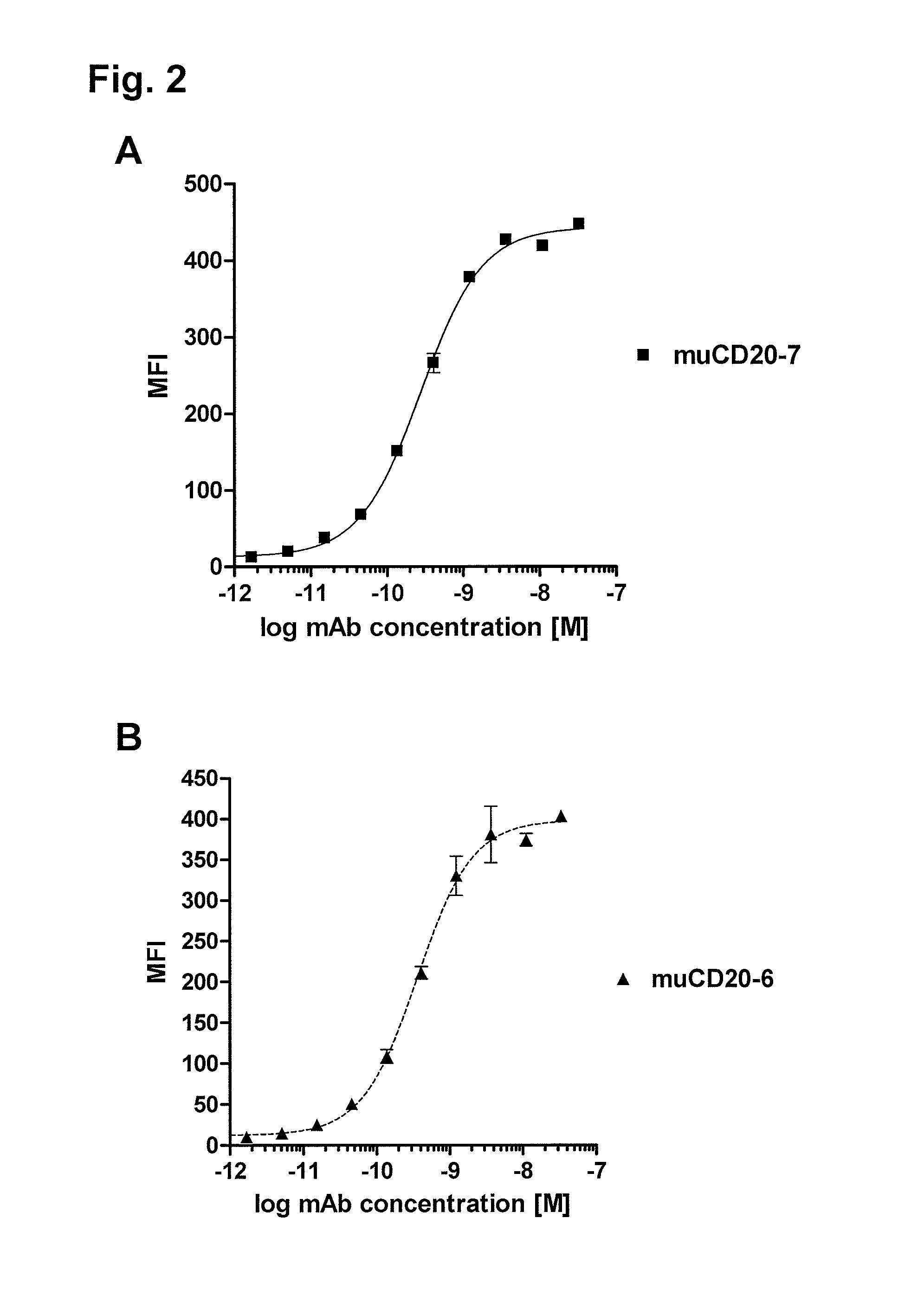
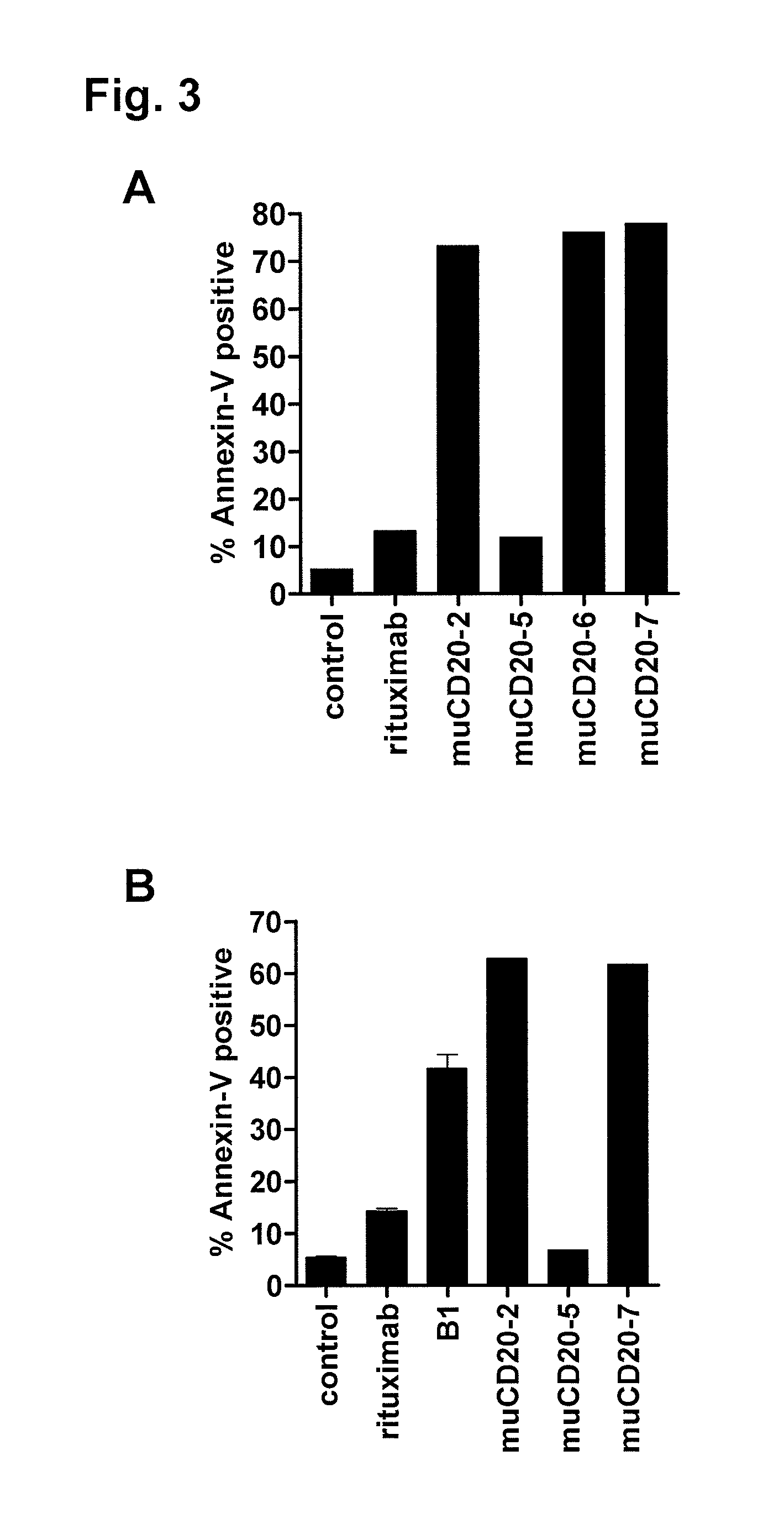
CD20 is a transmembrane protein of the tetra-spanin family expressed on the surface of B-cells from peripheral blood as well as lymphoid tissues. CD20 expression persists from the early pre-B cell stage until the plasma cell differentiation stage. In addition to expression in normal B-cells, CD20 is expressed in B-cell derived malignancies such as non-Hodgkin's lymphoma (NHL) and B-cell chronic lymphocytic leukemia (CLL). The present invention includes anti-CD20 antibodies and antigen-binding fragments thereof comprising a light chain variable region and a heavy chain variable region, wherein the CDR-L1, CDR-L2, and CDR-L3 of said light chain variable region comprise the amino acid sequences of SEQ ID NOs: 17-19, respectively, and wherein the CDR-H1, CDR-H2, and CDR-H3 of said heavy chain variable region comprise the amino acid sequences of SEQ ID NOs: 20-22, respectively.
Owner:IMMUNOGEN INC
Conjugate, and preparation method and application thereof
ActiveCN106334194ASmall molecular weightStrong penetrating powerOrganic active ingredientsPeptidesHydrazoneTetraspanin
The invention discloses a conjugate, and a preparation method and application thereof. The conjugate has a structure of TP-L-D, wherein TP represents targeting peptide which is applicable to targeting the conjugate to tumor cells, and the surfaces of the tumor cells carrying lysosome tetraspanin LAPTM4B are used as a specific target of the targeting peptide; D represents a treatment activator; and L represents a linking arm which is used for connecting the treatment activator to the targeting peptide and connected with the treatment activator through a hydrazone bond. The conjugate provided by the invention can realize targeted killing of tumor cells carrying LAPTM4B protein on its surfaces, has strong targeting and destruction performance, is hard to incur immunoreactions, and can be used for treating or preventing tumors or preparing pharmaceutical compositions for treating or preventing tumors.
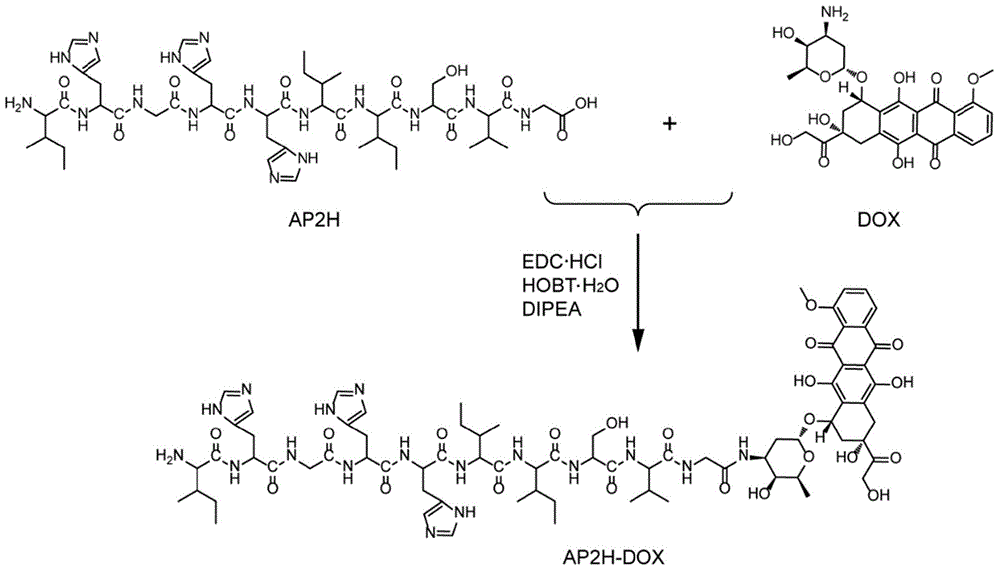
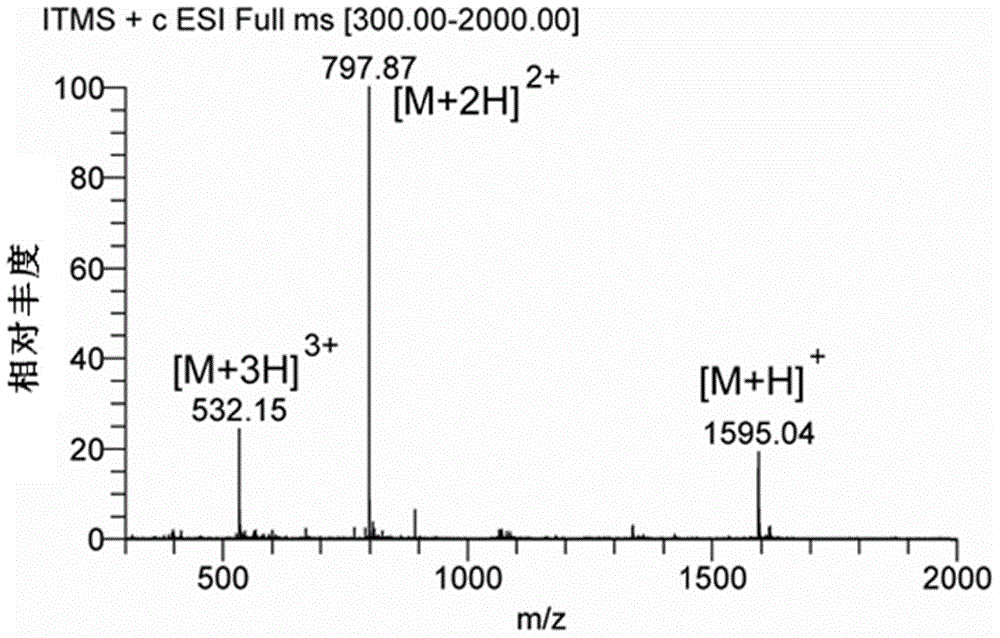
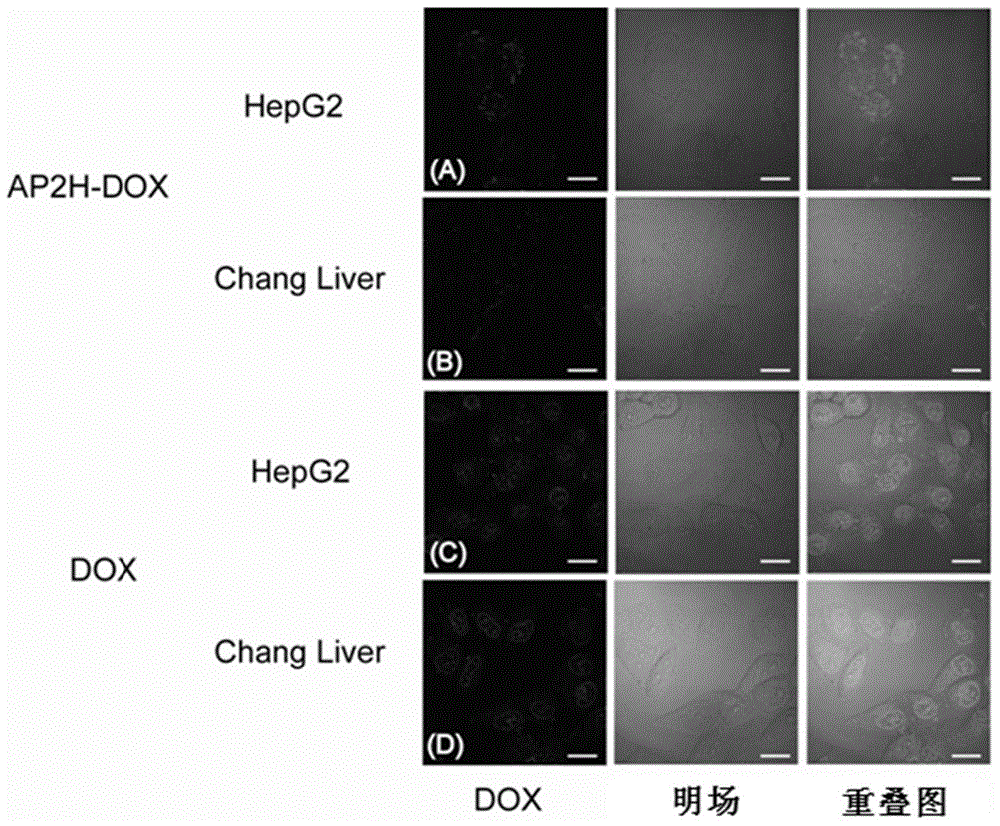
Owner:INST OF CHEM CHINESE ACAD OF SCI
Diagnostic target
InactiveUS20180172707A1Improve purification effectSimilar propertyPeptide/protein ingredientsMetabolism disorderAutoimmune responsesTetraspanin
A method for the diagnosis of Type 1 diabetes, or a predisposition towards Type 1 diabetes, or to monitor the efficacy of a therapy to prevent or treat Type 1 diabetes, said method comprising contacting a sample from a subject with a reagent selected from Tetraspanin-7 or a fragment, or a modified form thereof, and detecting an interaction indicative of the presence of an autoimmune response to Tetraspanin-7. Tetraspanin-7 is now understood to be the protein recognised by Glima 38 specific antibodies. Reagents and kits for use in the method and therapies associated with these form further aspects of the invention.


Owner:THE UNIV OF LINCOLN
Use of protein biomolecular targets in the treatment and visualization of brain tumors
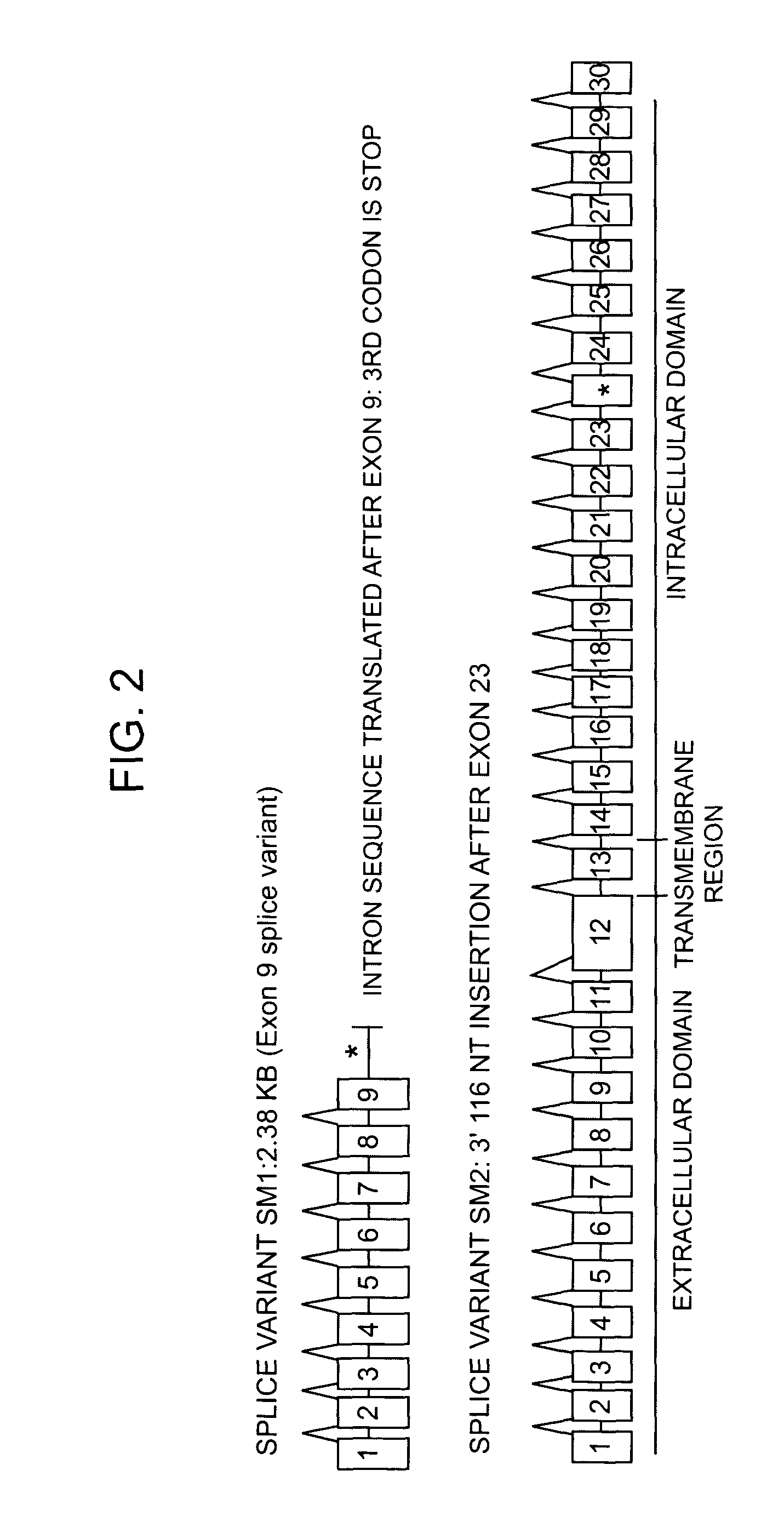
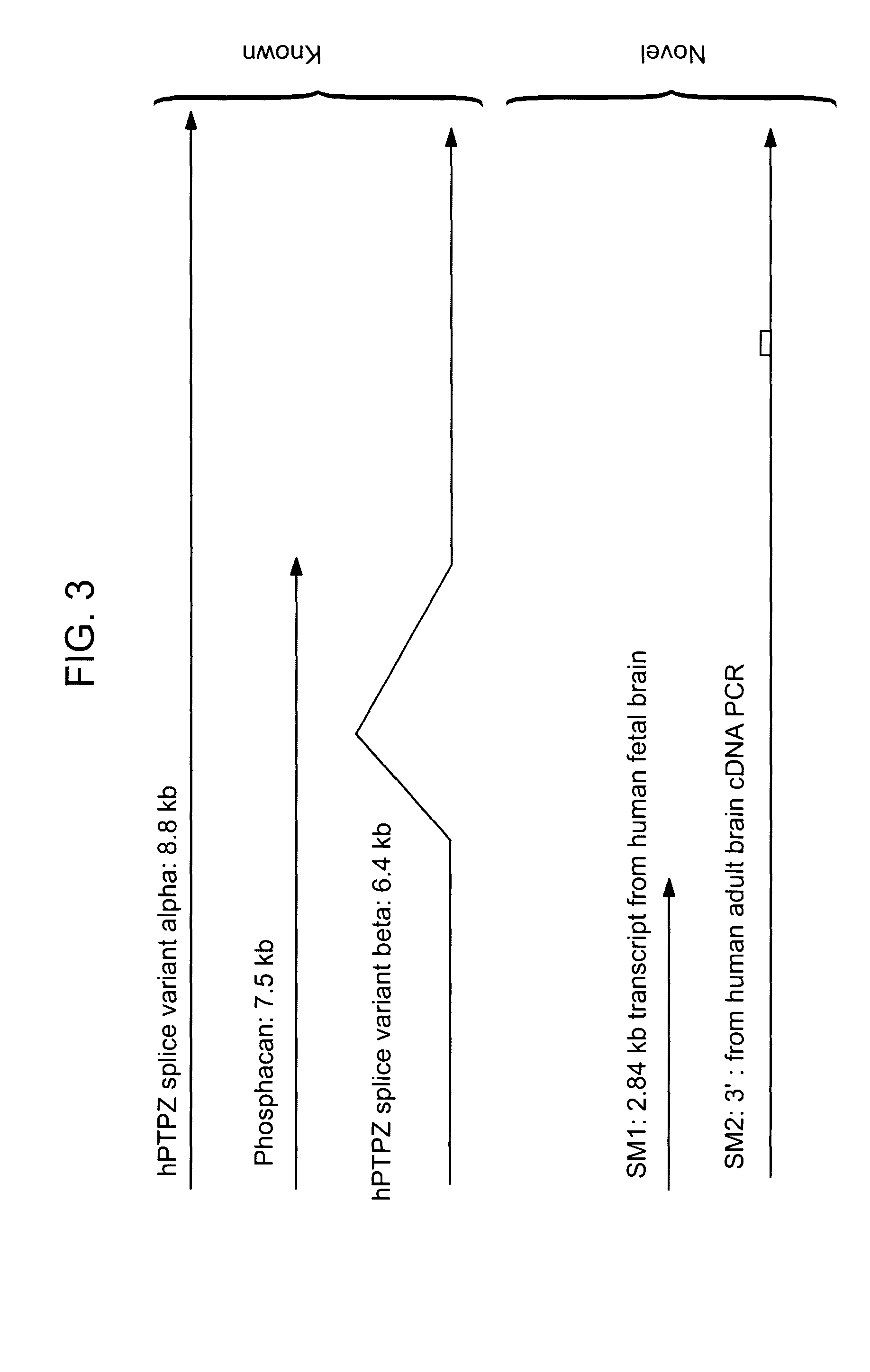
The present invention relates to the use of proteins which are differentially expressed in primary brain tumor tissues, as compared to normal brain tissues, as biomolecular targets for brain tumor treatment therapies. Specifically, the present invention relates to the use of immunotherapeutic and immunoimaging agents which specifically bind to one or more of human proteins angiopoietin related protein 2 (ARP-2,) secreted protein acidic, rich in cysteine (SPARC,) c-met proto-oncogene (C-MET,) brevican (BEHAB,) CD-44 antigen (CD-44,) tetraspanin 3 (TSPN3,) pleiotrophin (PTN,) osteopontin (OPN,) vasoactive intestinal peptide receptor-2 (VIPR-2,) and receptor protein tyrosine phosphatase zeta (PTPζ) for the treatment and visualization of brain tumors in patients. The present invention also provides compounds and pharmaceutically acceptable compositions for administration in the methods of the invention. The present invention also provides novel splice variants of protein PTPζ, PTPζ SM1 and PTPζ SM2. Nucleic acid probes specific for the spliced mRNA encoding these variants and affinity reagents specific for the novel proteins are also provided.
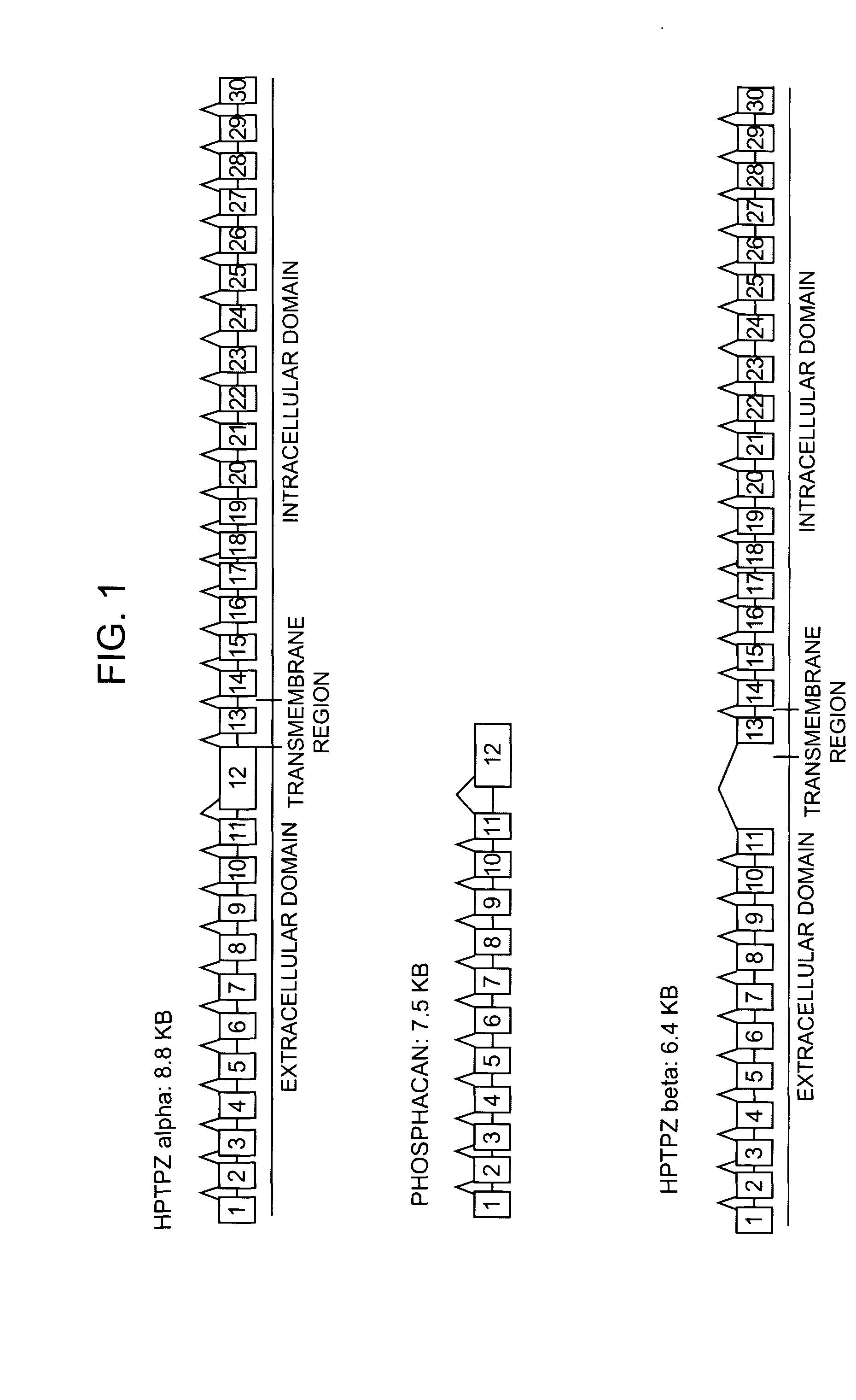
Owner:MEDAREX LLC
Tspan 33 is a candidate for antibody targeted therapy for the treatment of b cell hodgkin lymphomas
InactiveUS20160237152A1Reduce in quantityNervous disorderAntipyreticTetraspaninMolecular Targeted Therapies
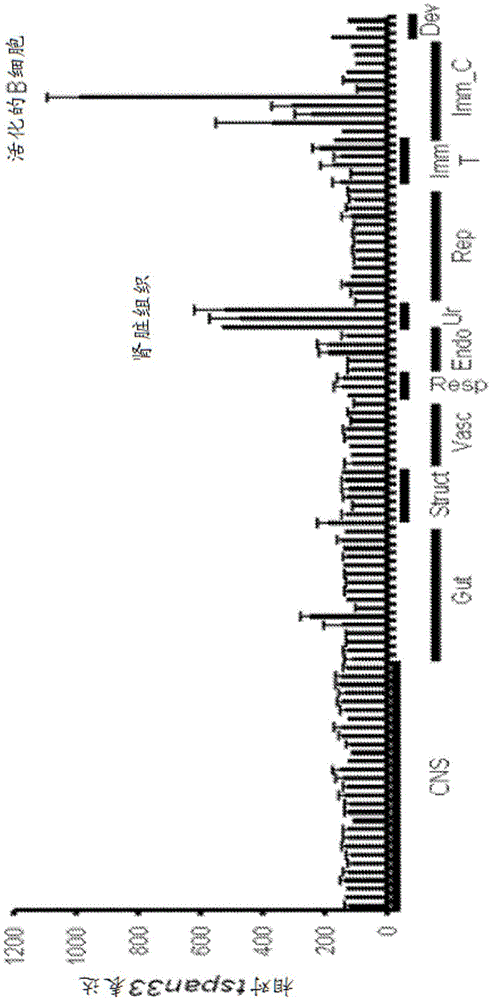
A method of treating a disease associated with activated B lymphocytes expressing Tetraspanin 33 (TSPAN33 / BAAM). The disease can be, for example, lymphoma or an immune disease. The method includes administering an anti-TSPAN33 / BAAM antibody to a patient in need of such treatment in an amount effective to treat the disease. Methods of purifying activated B cells and identifying activated and / or diseased B cells are also provided.


Owner:UNIV AUTONOMA DE NUEVO LEON +1
Generation of antigenic virus-like particles through protein-protein linkages
We have generated virus-like particles (VLPs) that can display other proteins through covalent protein-protein linkages mediated by the ‘Dock and Lock’ interaction between the Drosophila NorpA protein and the C-terminal pentapeptide tail of the InaD protein. This interaction may also be mediated by a portion of the SITAC protein and the Tetraspanin L6 Antigen protein. This system can be used to generate high-density scaffolded arrays of epitopes for immunization. This technology can streamline VLP vaccine candidate production, making it possible to rapidly evaluate panels of candidates in response to current vaccine needs and emerging pathogen threats.


Owner:PADGETT HAL S
Engineered exosomes for the delivery of bioactive cargo using transmembrane tetraspanins
ActiveUS10617768B2Efficient secretionPolypeptide with localisation/targeting motifFusion with RNA-binding domainTetraspaninExosome
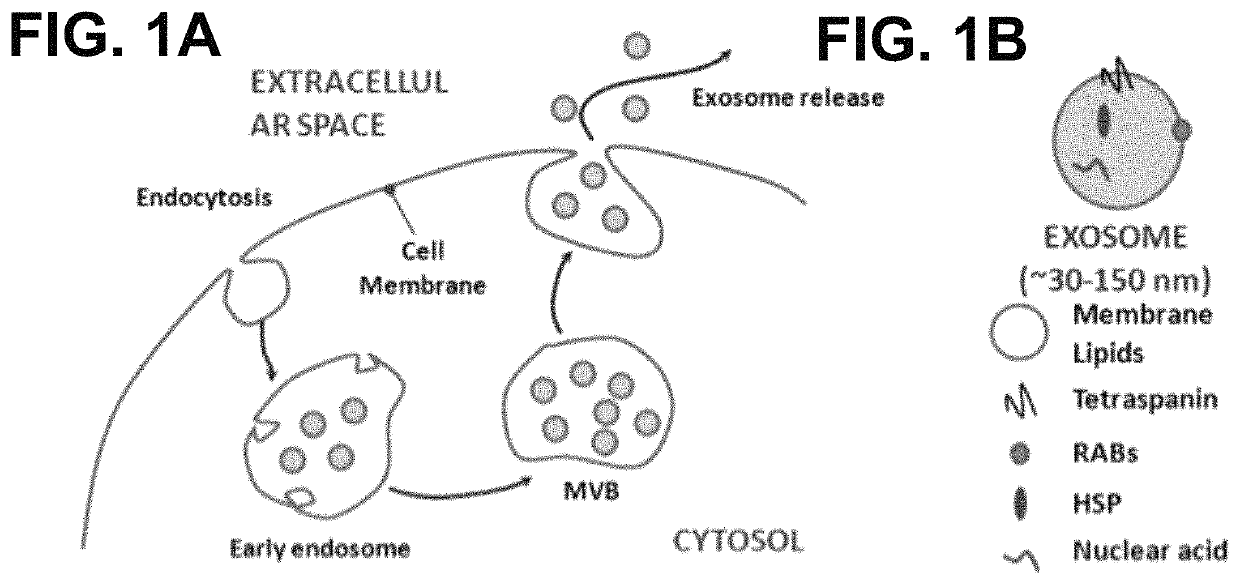
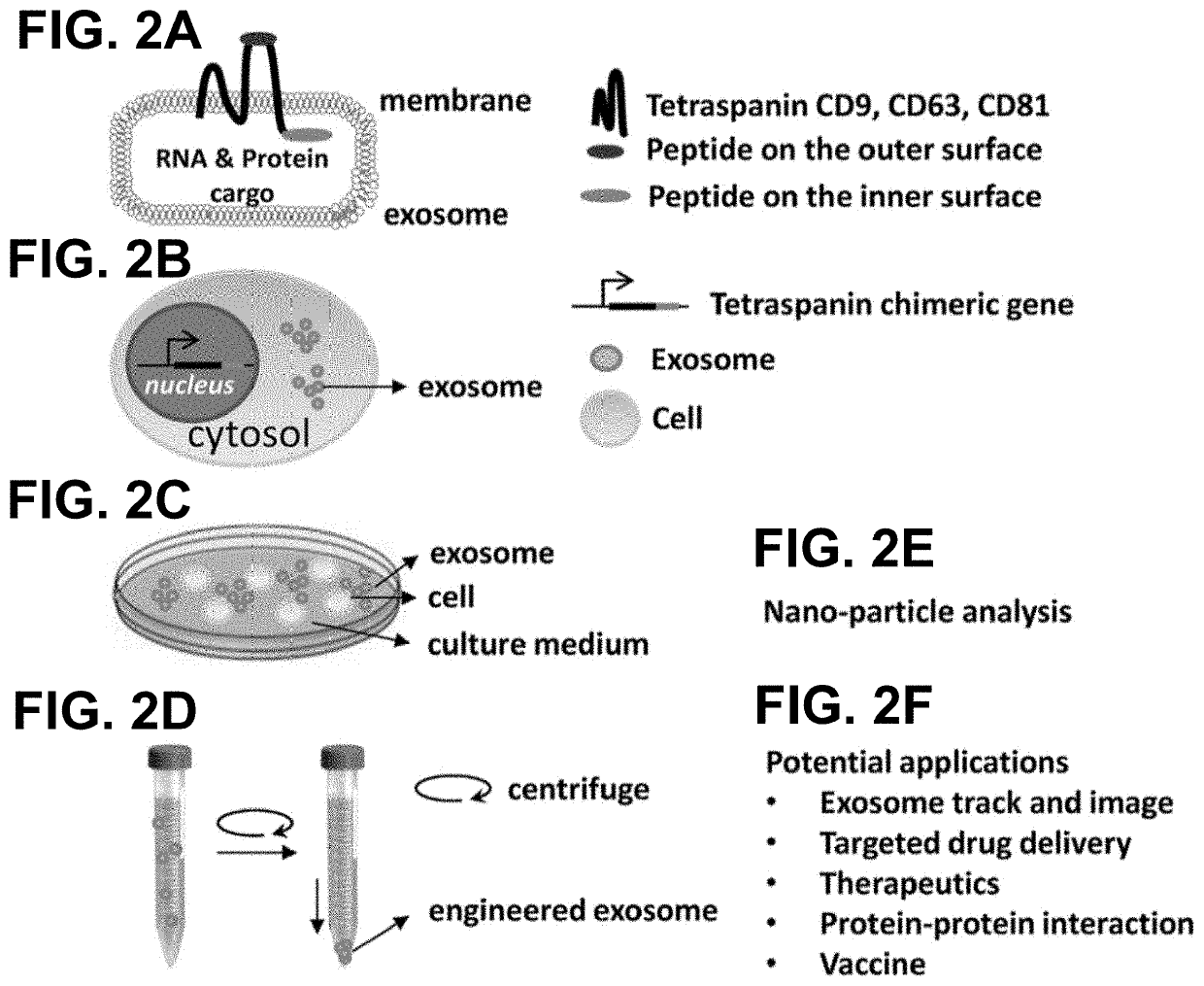
Engineered exosomes for the delivery of bioactive cargo are provided. The exosomes incorporate a tetraspanin transmembrane anchoring scaffold onto the membrane of the exosome. The tetraspanin transmembrane anchoring scaffold has a C-terminal attachment site in the inner-vesicle space of the exosome, a N-terminal attachment site in the inner-vesicle space or the outer-vesicle space, and / or a loop attachment site in the outer-vesicle space. Peptides can be attached to the different attachments sites in any form or combination. Tetrapanins naturally anchor on the exosome membrane, are biocompatible, and allow for robust loading and delivery of bioactive cargos in mammalian system.
Owner:SANTA CLARA UNIVERSITY
TSPAN 33 is a candidate for antibody targeted therapy for the treatment of B cell hodgkin lymphomas
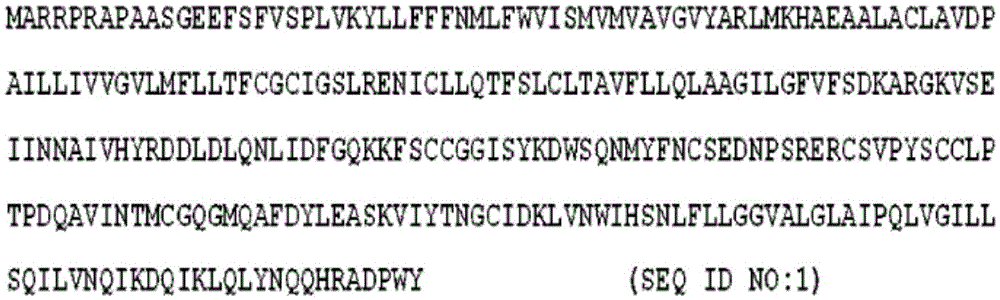
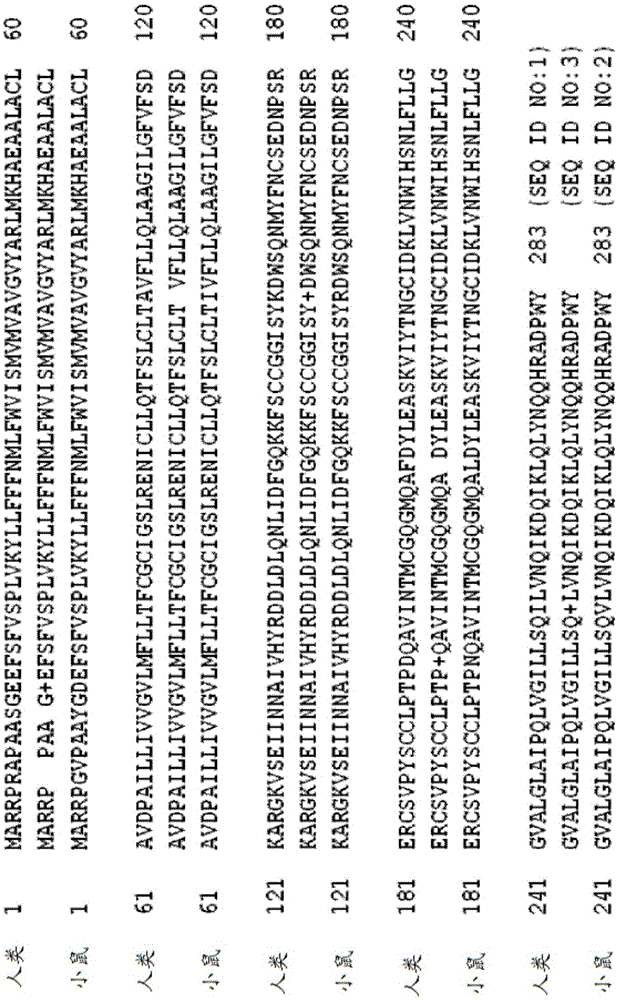
A method of treating a disease associated with activated B lymphocytes expressing Tetraspanin 33 (TSPAN33 / BAAM). The disease can be, for example, lymphoma or an immune disease. The method includes administering an anti-TSPAN33 / BAAM antibody to a patient in need of such treatment in an amount effective to treat the disease. Methods of purifying activated B cells and identifying activated and / or diseased B cells are also provided.
Owner:RGT UNIV OF CALIFORNIA +1
Anti-penumbra monoclonal antibodies for detection and therapy of normal and abnormal B lymphocytes
InactiveUS20180362660A1Prevent rejectionMinimize variableImmunoglobulins against blood coagulation factorsImmunoglobulins against cell receptors/antigens/surface-determinantsMedicine.hematologyCD20
Penumbra is the newest member of the tetraspanin superfamily of membrane proteins. A major obstacle in penumbra research has been the lack of monoclonal antibodies against the native penumbra. In this invention, we detail the establishment and characterization of monoclonal antibodies that recognize both human and mouse penumbras on living cells. Furthermore, we created chimeric mouse-human IgG1 antibodies from these mouse monoclonal antibodies. Using these antibodies, we demonstrate for the first time that penumbra is expressed on the surface of virtually all CD19+ or CD20+ B lymphocytes in blood, bone marrow, spleen and lymph nodes. In vivo, these monoclonal antibodies shrank lymphoid follicles in spleen. Thus, these antibodies establish penumbra as a novel B cell marker with a wider range of expression level than CD19 or CD20. These monoclonal antibodies pave the way for new research and potential therapeutic applications in immunology, hematology and oncology.


Owner:TSAI SCHICKWANN
Use of trop-2 as predictive marker of response to anti-tumor therapy based on inhibitors of cd9, akt and molecules of the tetraspanin signalling network
The present invention consists in a method for the diagnosis and treatment of cancer characterized by the fact that an increase in the levels of Trop-2 in the tumor, as compared to the levels of Trop-2 in the corresponding normal tissues, constitutes a biological marker that can predict the tumor response to anticancer therapy with drugs directed against components of the signalling network of Trop- 2, including but not limited to drugs which inhibit CD9, Akt and molecules of the tetraspanin signalling network. More particularly, the invention concerns the use of the biological marker Trop-2 in the screening of new compounds, and in the clinical setting as an indicator for the use of anticancer drugs targeted against molecules of the signalling network of Trop-2, including but not limited to drugs that inhibit CD9, Akt and molecules of the tetraspanin signalling network.


Owner:昂科斯生物技术股份有限公司
Separation method of plasma or serum exosome
PendingCN120738113ACell dissociation methodsImmunoglobulins against cell receptors/antigens/surface-determinantsAntiendomysial antibodiesSeparation technology
The invention discloses a plasma or serum exosome separation method which comprises the following steps: firstly, coupling an antibody for resisting four transmembrane protein CD81 on the surface of an exosome by using a magnetic bead to form an immunomagnetic bead; pretreating a serum / plasma sample, enriching exosomes, co-incubating with the immunomagnetic beads, washing the magnetic beads after incubation capture is completed, and washing off uncombined impurities; after being captured, the exosome can be directly cracked, the magnetic beads are removed for downstream experiments, or the magnetic beads are eluted to obtain the complete exosome. The exosome affinity antibody is matched with the magnetic beads, the plasma / serum sample exosome is separated, the unique affinity separation technology not only can remove high-abundance protein in the serum / plasma sample, but also can eliminate other vesicles with similar membrane structures with the exosome, so that the purity of the separated exosome is far higher than that of the exosome obtained by other separation methods.

Owner:SUZHOU EV MEDICAL CO LTD
Use of CD9 as a biomarker and as a biotarget in glomerulonephritis or glomerulosclerosis
ActiveUS12523663B2Cell receptors/surface-antigens/surface-determinantsAntibody mimetics/scaffoldsCrescentic glomerulonephritisCD44
The mechanisms driving the development of extracapillary lesions in focal segmental glomerulosclerosis (FSGS) and crescentic glomerulonephritis (CGN) remain poorly understood. A key question is how parietal epithelial cells (PECs) invade glomerular capillaries, thereby promoting injury and kidney failure. Here the inventors show that expression of the tetraspanin CD9 increases markedly in PECs in mouse models of CGN and FSGS, and in kidneys from individuals diagnosed with these diseases. Cd9 gene targeting in PECs prevents glomerular damage in CGN and FSGS mouse models. Mechanistically, CD9 deficiency prevents the oriented migration of PECs into the glomerular tuft and their acquisition of CD44 and β1 integrin expression. These findings highlight a critical role for de novo expression of CD9 as a common pathogenic switch driving the PEC phenotype in CGN and FSGS, while offering a potential therapeutic avenue to treat these conditions. Accordingly, CD9 represents a reliable biomarker and as well as a biotargets in glomerulonephritides.


Owner:UNIV PARIS CITE +2
Role of Glycogen Synthase Kinase-3 and tetraspanins in ethanol-induced henaviors
InactiveUS20060099599A1Easy to addImprove stabilityMicrobiological testing/measurementBiological bodyTetraspanin
This invention pertains to the identification of genes that mediate an organisms behavioral response to consumption of alcohol and / or other substances of abuse. The genes include a tetraspanin Tsp42Ee gene or a homologue or analogue thereof, a tetraspanin Tsp42El gene or a homologue or analogue thereof, and a Glycogen Synthase Kinase-3 gene or a homologue or analogue thereof. The genes provide good targets to screen for agents that modulate an organism's response to consumption of alcohol and / or other substances of abuse.
Owner:CALIFRONIA UNIV OF RGT +1
Method for measuring exosome synthesis efficiency
PendingCN120177797APreparing sample for investigationBiological material analysisExtracellularTetraspanin
The invention relates to the technical field of exosome synthesis, and discloses a method for measuring exosome synthesis efficiency. According to the method, by utilizing the characteristic that four-transmembrane proteins in different types of cells are different in content, various four-transmembrane proteins are selected as calibration substances, and part of the four-transmembrane proteins are used as internal reference, so that in the process of determining the exosome synthesis efficiency, the content of the four-transmembrane proteins in the exosome synthesis efficiency is determined. According to the method, the expression level of the tetratransmembrane protein calibration substance in the cell membrane can be equalized by using the total tetratransmembrane protein, so that the problem of inaccurate determination of the exosome synthesis efficiency caused by difference between cell types is remarkably improved, and accurate determination of the exosome synthesis efficiency of different types of cells can be realized; and the determination method is simple and easy to operate, low in cost, high in speed and suitable for large-scale application in exosome synthesis efficiency determination, and has important significance in large-scale synthesis and commercial application of the exosome.

Owner:THE THIRD AFFILIATED HOSPITAL OF GUANGZHOU MEDICAL UNIVERSITY (GUANGZHOU SEVERE MATERNAL TREATMENT CENTER GUANGZHOU ROUJI HOSPITAL)
METHOD FOR DETECTING CANCER, METHOD FOR PREDICTING A CANCER PROGNOSIS, BIOMARKER, METHOD FOR USE A BIOMARKER AND KIT FOR DETECTING CANCER OR PREDICTING A CANCER PROGNOSIS
PendingDE112024001387T5Microbiological testing/measurementDisease diagnosisTetraspaninBiologic marker

Owner:SUMAZAKI MAKOTO
In-situ hybridization assay kit for mRNA level of premalignant CD151 as well as assay method and application
InactiveCN102605057AHigh sensitivityStrong specificityMicrobiological testing/measurementHybridization probeTetraspanin
The invention discloses an in-situ hybridization assay kit, comprising a hybridization probe and a marker. The invention also discloses a method for assaying mRNA of a tetraspanin (CD151) gene closely related with the premalignant pathology evolution through in-situ hybridization using the kit, and the method comprises the following steps: (1) contacting RNA to be assayed in a substrate with the hybridization probe to form a hybridization complex under a condition in which the hybridization probe and a target sequence can form a stable hybridization complex; and (2) assaying the hybridization complex. By using the kit and the assay method of the invention, the expression level of the CD151 gene can be assayed in the mRNA level, the assay is earlier than medical imaging and traditional clinical biochemical detection indexes, and screening the premalignant mRNA level is really realized. In addition, the assay method of the invention is simple and convenient, is low in cost, and is convenient to be popularized and applied in county and district hospitals.
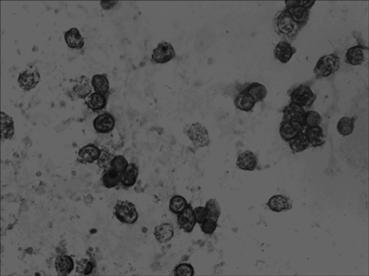
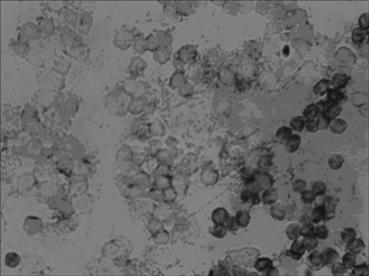

Owner:NATUREGEN BIOTECH SHANGHAI
Nucleic acid molecules delivered via extracellular vesicles to pathogens for crop protection
In one aspect, the present application discloses compositions of extracellular vesicles (EVs) comprising heterologous effector RNAs, such as antifungal RNAs. In certain embodiments, the effector RNAs comprise dsRNA, while in other embodiments the effector RNAs comprise mRNA In certain embodiments, the EVs are plant EVs, microbial EVs (e.g., bacterial EVs or fungal EVs), or artificial EVs. In particular embodiments, the EVs are plant EVs and the effector RNA is mRNA. In other particular embodiments, the EVs are microbial EVs and the effector RNA is dsRNA. In other aspects, the application discloses microbes that produce RNA-loaded EVs; methods of treating and / or preventing fungal diseases by applying such microbes and / or RNA-loaded EVs to plants, plant parts, and / or soil; and methods of producing such RNA-loaded EVs. In certain examples, the antifungal RNAs may target DCL1 / 2 genes the VDS genes, and / or the tetraspanin (PLS1) genes of a fungal pathogen such as B. cinerea, Verticillium dahliae, Sclerotinia sclerotiorum, Fusarium oxysporum, Fusarium graminearum, Aspergillus niger or even oomycete pathogens, such as Phytophthora infestans.

Owner:RGT UNIV OF CALIFORNIA
Use of cd9 as a biomarker and as a biotarget in glomerulonephritis or glomerulosclerosis
PendingUS20220229072A1Prevents glomerular damageEasy to failDisease diagnosisBiological testingCrescentic glomerulonephritisCD44
The mechanisms driving the development of extracapillary lesions in focal segmental glomerulosclerosis (FSGS) and crescentic glomerulonephritis (CGN) remain poorly understood. A key question is how parietal epithelial cells (PECs) invade glomerular capillaries, thereby promoting injury and kidney failure. Here the inventors show that expression of the tetraspanin CD9 increases markedly in PECs in mouse models of CGN and FSGS, and in kidneys from individuals diagnosed with these diseases. Cd9 gene targeting in PECs prevents glomerular damage in CGN and FSGS mouse models. Mechanistically, CD9 deficiency prevents the oriented migration of PECs into the glomerular tuft and their acquisition of CD44 and β1 integrin expression. These findings highlight a critical role for de novo expression of CD9 as a common pathogenic switch driving the PEC phenotype in CGN and FSGS, while offering a potential therapeutic avenue to treat these conditions. Accordingly, CD9 represents a reliable biomarker and as well as a biotargets in glomerulonephritides.


Owner:INST NAT DE LA SANTE & DE LA RECHERCHE MEDICALE (INSERM) +2
Methods, biomarkers, kits, and devices to aid in the diagnosis of parkinson's disease
ActiveCN115190974BBioreactor/fermenter combinationsBiological substance pretreatmentsExtracellular vesiclePhospholipin
The present application provides a method, a biomarker, a kit, and a device for assisting diagnosis of Parkinson's disease. The present application relates to a method, a biomarker, a kit, and a device for assisting diagnosis of Parkinson's disease, the method comprising the steps of: measuring the amount of extracellular vesicles having phosphatidylserine and tetraspanin or the amount of extracellular vesicles having phosphatidylserine and tetraspanin and the amount of extracellular vesicles having tetraspanin; and determining whether a subject is Parkinson's disease using the ratio of the amount of extracellular vesicles having phosphatidylserine and tetraspanin or the amount of extracellular vesicles having the phosphatidylserine and tetraspanin to the amount of extracellular vesicles having the tetraspanin as an index.

Owner:FUJIFILM WAKO PURE CHEMICAL IND LTD
Application of Tetraspanin-14 protein detection reagent in preparation of lung cancer screening kit
The invention relates to the field of in-vitro diagnostic reagents, and particularly relates to an application of a Tetraspanin-14 protein detection reagent in preparation of a lung cancer screening kit. According to the invention, a level of a Tetraspanin-14 protein in a plasma exosome of a lung cancer patient is found to be significantly higher than that in healthy people for the first time. According to the invention, the reagent for detecting the Tetraspanin-14 protein is used for preparing the lung cancer screening kit so that effective screening of a lung cancer can be realized.


Owner:WEST CHINA HOSPITAL SICHUAN UNIV
Sandwich immunoassay devices using antibodies specific to the exosomes containing target analytes
PendingUS20250050331A1Biological material analysisMaterial analysis by electric/magnetic meansAssayTetraspanin
A lateral flow assay device includes several test strips to receive a quantity of fluid that includes a quantity of exosomes and detect the presence of a target analyte on the surface of the exosomes. Each test strip includes a conjugate pad that contains binding reagent to one type of tetraspanin protein conjugated with a label. Each type of tetraspanin binding reagent is configured to bind with a corresponding type of exosome tetraspanin and form an immunocomplex comprising an exosome. Each conjugate pad is fluidly connected to a corresponding membrane. Each membrane includes a test line that includes an immobilized binding reagent to the target analyte. The immobilized binding reagent to the target analyte is configured to bind to a protein of the target analyte on the surface of an exosome in an immunocomplex comprising the exosome.

Owner:2PI SIGMA CORP
Horizontal planetary four-wheel powerful spinning machine
A horizontal planetary four-wheel powerful spinning machine used in the pressure processing industry, including a main motion oil cylinder, a main motion slider, front and rear steady frames, a material ejection device, a planetary four-wheel spinning device, a support bearing seat, a transmission Device, main motor, support frame, bed, tail jack device, tail jack oil cylinder, the main motion oil cylinder is connected with the main motion slider, the front and rear steady frames, the unloading device are connected with the planetary four-wheel spinning device, the supporting bearing seat is connected with the transmission The device is connected and installed on the bed, the transmission device is connected with the main motor, and the tail top device is connected with the tail top oil cylinder. There are multiple adjustable supporting devices on the bed of the device to prevent the deformation of the tube blank due to its own weight. There is a centering mechanism at the front end of the tail top to center the core mold. The planetary four-wheel spinning device is dragged by the DC machine. Stepless speed regulation under motion, stepless speed regulation of synchronous movement of front and rear axial oil cylinders, four rotary wheels of planetary four-wheel spinning device synchronously adjust their feed distance, and equal wall thickness spinning.

Owner:扬州中旋机械科技有限公司
A method for testing the ion transport of peptides in a simulated environment
ActiveCN104730049BEasy to operateIntuitive test resultsFluorescence/phosphorescenceStock solutionTransmembrane protein
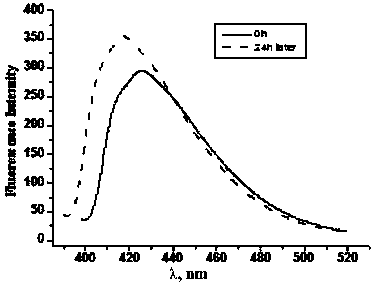
The invention belongs to the field of biotechnology, and in particular relates to a method for testing the ion transmission of peptide segments in a simulated environment. The test method is fluorescence spectroscopy, and the ions are metal ions. The test method includes six steps: preparing Buffer solution, preparation of standard stock solution of aureomycin, preparation of phospholipid unilamellar vesicles without added peptides, fluorescence detection of phospholipid unilamellar vesicles without added peptides, preparation of phospholipid unilamellar vesicles with added peptides, fluorescence Detection of phospholipid unilamellar vesicles spiked with peptides. The present invention further improves the test method and test conditions for the peptide segment of the fourth transmembrane protein region. The test method of the present invention solves the complex operation, high professionalism, high cost, and relatively high requirements for instruments and operators in the prior art. The high disadvantage makes it easier to in-depth study the ion transport of the functional peptide of the fourth transmembrane protein domain, and to reveal the transport function of the overall solute transporter transporter.
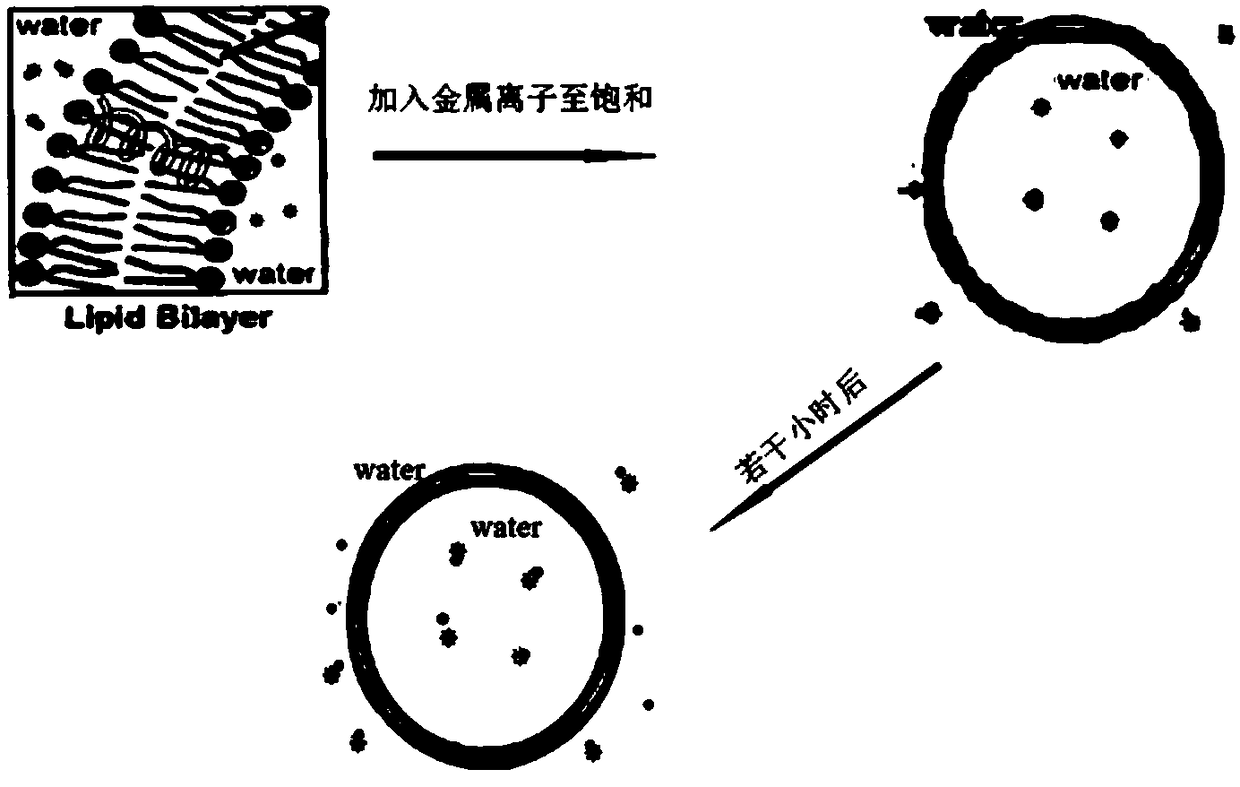
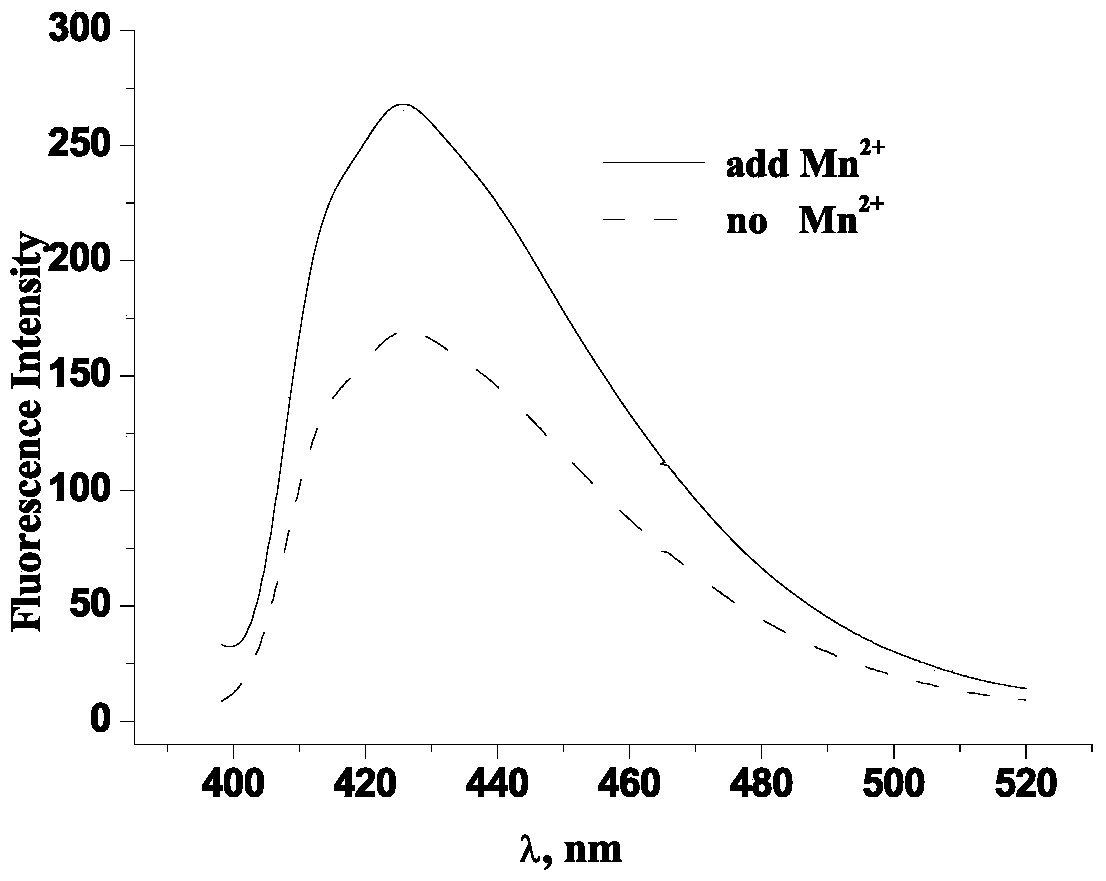
Owner:宁波市博坤生物科技有限公司
Modified small extracellular vesicles and uses thereof
PCT designated stage expiredWO2025101988A1Peptide/protein ingredientsMicroencapsulation basedDiseaseExtracellular vesicle
Small extracellular vesicles (sEVs) are provided herein containing at least one tetraspanin that has at least one noncanonical amino acid (ncAA) substituting for a native amino acid in an extra-exosomal loop. The tetraspanin can be CD81, and the ncAA can contain an azide group, a carboxyl group, or a strained alkene. The sEV can further include a peptide that decreases the elimination of sEV by macrophages, a peptide that steers the sEV to a target tissue, and / or a peptide that decreases the rate of degradation of the sEV by target cell lysosomes, each attached to a ncAA. The sEV can further include a poly-histidine tag and / or cargo. The associated compositions, plasmids, cell lines, and animals, methods of producing the sEVs, and methods of treating a disease using the sEV or sEV compositions are also provided.

Owner:NUTECH VENTURES LTD
Tetraspanin cd82 as a diagnostic and/or therapeutic module for xenograft recognition and/or rejection
The present invention relates to CD82 polypeptides of the mammalian tetraspanin CD82 protein family for use in the diagnosis, prevention and / or treatment of xenograft recognition and / or rejection. The present invention furthermore relates to CD82 knockout and transgenic animals and their cells, tissues and organs. The present invention furthermore relates to antibodies against a CD82 polypeptide, pharmaceutical compositions comprising at least one inhibitor of a CD82 polypeptide or comprising cells, tissues and organs of animals in which the CD82 level, expression and / or activity is modified, and their use in the diagnosis, prevention and / or treatment of xenograft recognition and / or rejection. The present invention furthermore relates to methods of diagnosing xenograft recognition and / or rejection and methods for the prevention and / or treatment of xenograft recognition and / or rejection as well as methods of xenotransplantation.


Owner:KING FAISAL SPECIALIST HOSPITAL & RES CENT
Anti-TM4SF4 humanized antibodies and uses thereof
PendingCN120359245ABiological material analysisAntibody ingredientsAntiendomysial antibodiesTetraspanin
The present invention relates to: a humanized antibody capable of binding specifically to tetratransmembrane protein superfamily member 4 (TM4SF4) with high affinity and exhibiting low immunogenicity in humans; and a composition for preventing and treating cancer or assisting immune anti-cancer therapy, said composition comprising the humanized antibody.

Owner:KOREA ATOMIC ENERGY RES INST