

Patents
Literature
51 results about "Kupffer's cell" patented technology
Efficacy Topic
Property
Owner
Technical Advancement
Application Domain
Technology Topic
Technology Field Word
Patent Country/Region
Patent Type
Patent Status
Application Year
Inventor
The cells were first observed by Karl Wilhelm von Kupffer in 1876. The scientist called them "Sternzellen" (star cells or hepatic stellate cell) but thought, inaccurately, that they were an integral part of the endothelium of the liver blood vessels and that they originated from it.
Co-culture system for liver cells and Kupffer cells and application thereof
InactiveCN102220281ADoes not affect proliferationRapid cultivationMicrobiological testing/measurementArtificial cell constructsSerum glutamate pyruvate transaminaseFactor ii
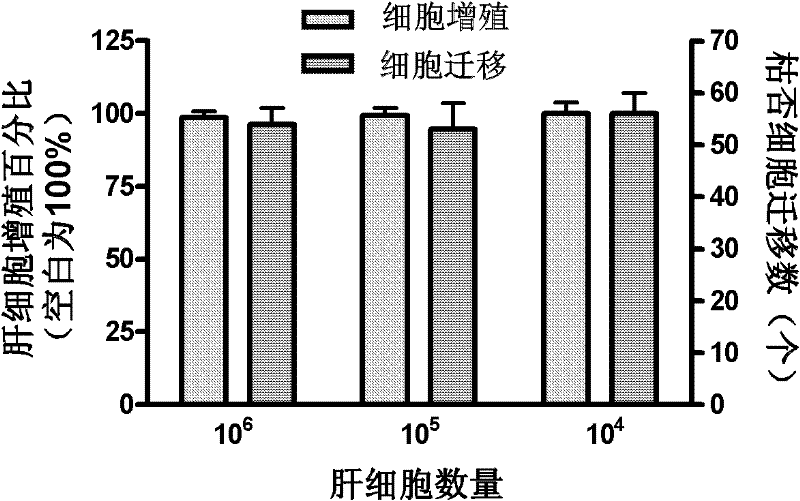
The invention discloses a co-culture system for liver cells and Kupffer cells and application thereof. The co-culture system is characterized in that in a Millicell double-layer culture room, 1-100 ng / mL LPS (lipopolysaccharides) is added into a culture medium, the Kuffer cells are cultured in the upper layer of the Millicell double-layer culture room, and the liver cells are cultured in the lower layer of the Millicell double-layer culture room; and half of the fresh culture medium is replaced every other day so as to keep the concentration of the LPS. The co-culture system for liver cells and Kupffer cells provided by the invention has the advantages that the Kupffer cells continuously secrete inflammatory cell factors (such as TNF-alpha) in vitro after being stimulated by the LPS; the liver cells can generate a great number of enzymes, such as AST (aspartate aminotransferase), ALT (alanine transaminase) and GGT (gamma-glutamyl transpeptidase) in the environment so as to stimulate the liver injury based on immunoreaction caused by the immune / inflammation response after the liver tissue undergoes virus infection in vivo; and moreover, the co-culture system is used for screening medicaments resisting immune liver injury according to the influence of the medicaments on the secretion amount of immune factors and the enzymatic activity.
Owner:SHAANXI INST FOR FOOD & DRUG CONTROL
Cancer metastasis inhibitor
InactiveUS20180222986A1Degree of reductionOnset of tumors was decreasedImmunoglobulins against cell receptors/antigens/surface-determinantsAntibody ingredientsAbnormal tissue growthHematopoietic cell
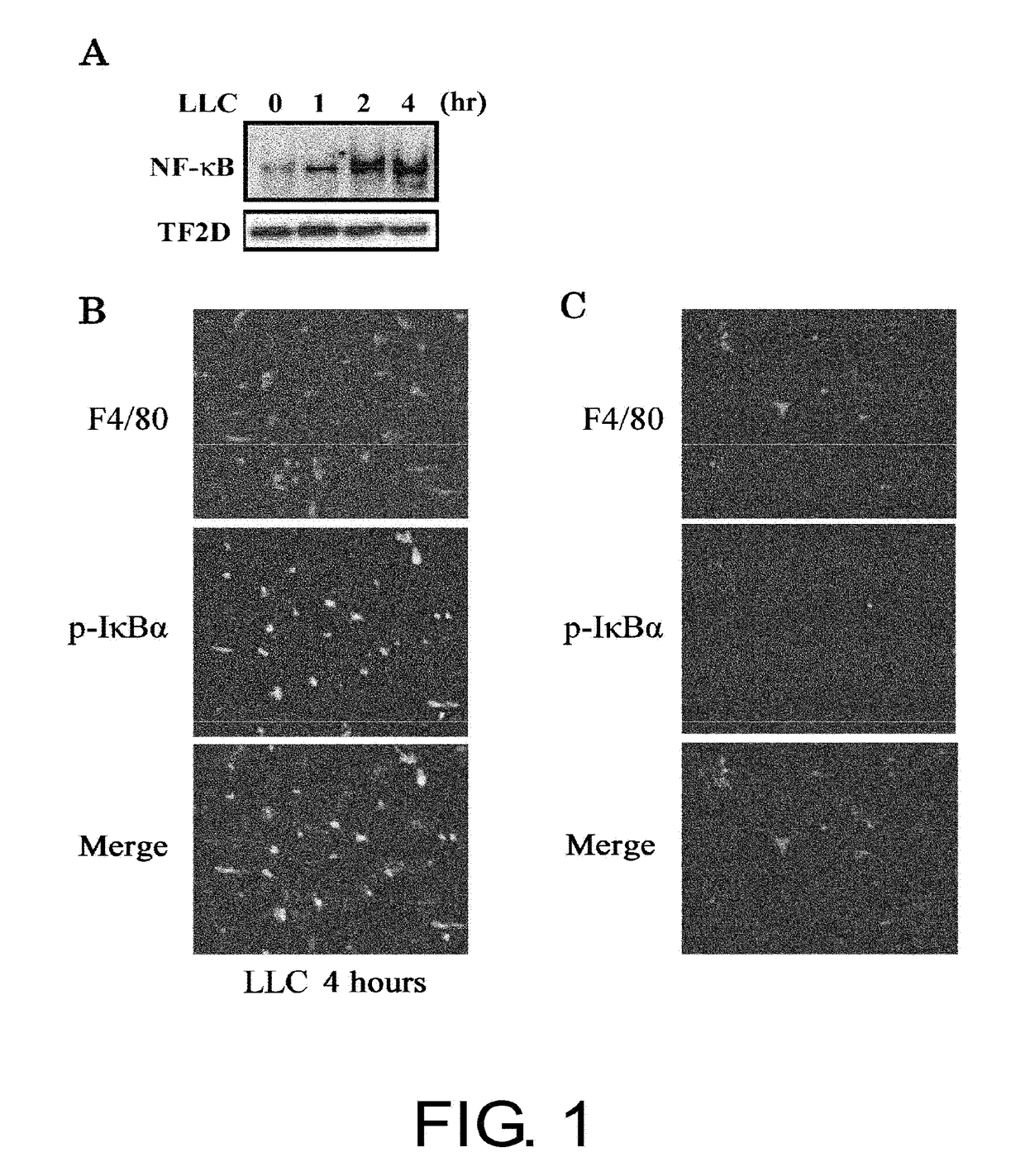
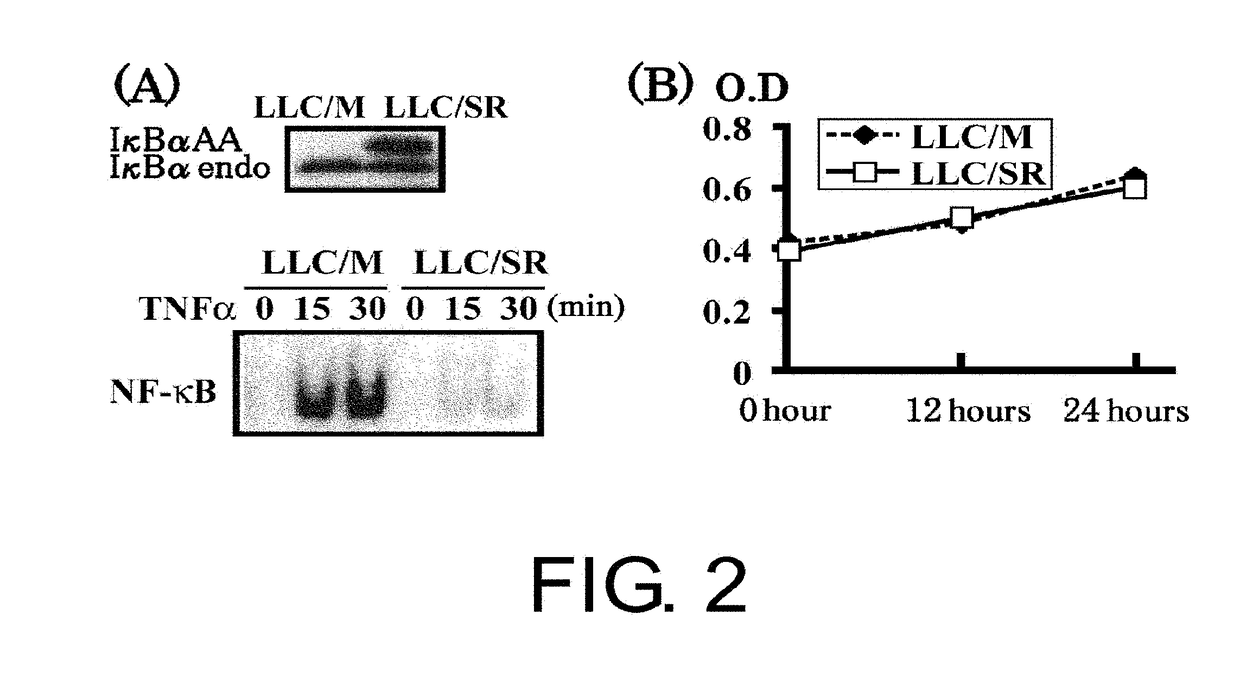
Owner:MAEDA CORPORATION
In vitro together culture technique for hepatocyte and kupffer cell
InactiveCN101368170AProlong survival timeLow costVertebrate cellsArtificial cell constructsArtificial liverKupffer's cell
The invention provides an in vitro co-culture technique of hepatocyte and Kupffer cells under the ordinary culture conditions, which is characterized in that the hepatocyte and the KUPffer cells are mixed and cultured with a definite proportion, the in vitro culture time of primary hepatocyte is prolonged, and the function of hepatocyte is optimized. The invention can be used for constructing a biological type artificial liver bioreactor, pharmaceutical testing, hepatocyte transplanting and the like.


Owner:韦嘉 +1
Composition for preventing and treating fatty liver and preparation method thereof
ActiveCN103432177AIncreased MDA contentIncrease contentOrganic active ingredientsDigestive systemVitamin CKupffer's cell
The invention relates to a composition and a preparation method thereof, and particularly relates to a composition for preventing and treating fatty liver and a preparation method thereof, belonging to the field of a chemical technology. The composition comprises ginkgo biloba extractive, allicin, vitamin C, vitamin B12 and vinegar, thus being capable of relieving lipid oxidation damage of the liver, enhancing the oxidation resistance of the liver, inhibiting the activity of Kupffer cells, lowering the inflammatory reaction, protecting the liver, reducing serum free fatty acid (FFA), reducing accumulation of liver fat, and preventing the fatty liver.


Owner:江苏赛谷细胞工程研究院有限公司
Application of recombinant sfrp5 protein in preparation of medicines for treating nonalcoholic steatohepatitis
InactiveCN108310366AImprove liver transaminase changesReduce inflammationPeptide/protein ingredientsDigestive systemBiological activationProtein C
The invention belongs to the field of biological pharmacy, relates to application of a recombinant sfrp5 protein in preparation of medicines for treating nonalcoholic steatohepatitis and particularlyrelates to application of the recombinant sfrp5 protein in preparation of medicines for improving inflammations and fatty pathological changes of nonalcoholic steatohepatitis. Experiment results showsthat mice induced by methionine and choline deficient diet (MCDD) can be used for successively preparing animal models of nonalcoholic steatohepatitis; the experiment results also show that the intervention of the recombinant sfrp5 protein can reduce the inflammation damage and the fatty pathological changes of liver tissues of the animal models of nonalcoholic steatohepatitis, so that the inflammations and fatty pathological changes of nonalcoholic steatohepatitis can be reduced; the action mechanism of the recombinant sfrp5 protein is related to inhibition of activation of kupffer cells andinterdiction of WNT-TLR channels; the recombinant sfrp5 protein can be used for preparing the medicines for treating the nonalcoholic steatohepatitis.


Owner:AFFILIATED HUSN HOSPITAL OF FUDAN UNIV
Application of atractylodes macrocephalaon polysaccharide in medicaments or healthcare products for improving kuffer cell immune function
InactiveCN103550243AEnhance phagocytosisImprove disease resistanceOrganic active ingredientsImmunological disordersDiseaseImmunodeficiency disease
The invention relates to application of atractylodes macrocephalaon polysaccharide in medicaments or healthcare products for improving kuffer cell immune function, belonging to the technical field of traditional Chinese medicine. According to the application, homemade PAM (atractylodes macrocephalaon polysaccharide) is adopted for testing the influences on the mouse Kupffer cell immune function. The PAM in vitro is acted to a normal Kupffer cell so as to evaluate the immune function and the cell damage situation according to the phagocytosis quantity of neutral red A540, the secreting quantity of NO and TNF (tumor necrosis factor)-alpha as well as the LDH (lactate dehydrogenase) leakage quantity; after in-vivo mice are injected with the PAM, the indexes of the Kupffer cell, the activity of intracellular ACP (acid phosphatase) as well as the serum ALT and GST are detected. The result shows that the PAM intensifies the phagocytosis to the neutral red caused by Kupffer cell, improves the ACP activity as well as increases the generation amount of NO and TNF-alpha. The PAM in vitro does not increase parenchymal hepatic cell LDH leakage, and has no influence on the activities of sALT and sGST, so that the PAM can activate the Kupffer cell immune function, improves the organism disease resistance, and has an actual application value at the treatment aspect of diseases of immunodeficiency disease, tumor and the like.


Owner:SHAANXI INST FOR FOOD & DRUG CONTROL
Composition for preventing or treating non-alcoholic liver disease or insulin resistance comprising ginsenoside F2
InactiveCN105935364AInhibition formationAvoid accumulationOrganic active ingredientsMetabolism disorderAdipogenesisKupffer's cell
The present invention relates to a pharmaceutical composition, a health functional food, and a feed composition for the prevention, improvement, or treatment of non-alcoholic liver disease or insulin resistance comprising ginsenoside F2. The pharmaceutical composition according to the present invention comprising ginsenoside F2 can inhibit the adipogenesis and lipid accumulation in the liver, improve insulin sensitivity, inhibit the expression of inflammatory cytokines such as TNF-alpha, IL-beta, and IL-6 in the Kupffer cell, inhibit the expression of endocannabinoid synthase, thus capable of effectively preventing or treating non-alcoholic liver disease or insulin resistance.


Owner:INTELLIGENT SYNTHETIC BIOLOGY CENT
Complexes of Bifunctional Chelating Agents with Mannosyl Human Serum Albumin
ActiveCN102300590APeptide/protein ingredientsRadioactive preparation carriersLymphatic/immuneRadioactive Label
The present invention is about bifunctional chelating agents (BCA) conjugated mannosyl human serum albumin (MSA) and its radioisotope labeled compounds for imaging immune system such as macrophages, Kupffer cells, reticuloendothelial system (RES), and lymphatic system. The present invention comprises BCA-MSA conjugates, their radiolabeled compounds, and kits for radiolabeing. The present invention improved radiolabeling procedure, showed higher lymphatic system uptake, and enabled image by positron emission tomography (PET).


Owner:SEOUL NAT UNIV R&DB FOUND
Complex of bifunctional chelating agent and mannosyl human serum albumin
ActiveUS20110286920A1Convenient labelingImprove stabilityPeptide/protein ingredientsSerum albuminKupffer's cellIsotope
The present invention is about bifunctional chelating agents (BCA) conjugated mannosyl human serum albumin (MSA) and its radioisotope labeled compounds for imaging immune system such as macrophages, Kupffer cells, reticuloendothelial system (RES), and lymphatic system. The present invention comprises BCA-MSA conjugates, their radiolabeled compounds, and kits for radiolabeing. The present invention improved radiolabeling procedure, showed higher lymphatic system uptake, and enabled image by positron emission tomography (PET).


Owner:SEOUL NAT UNIV R&DB FOUND
Drug delivery systems containing oxidized cholesterols
Lipid nanoparticles and compositions thereof are disclosed herein. An exemplary nanoparticle composition includes an ionizable lipid, a phospholipid, a PEG-lipid, and a cholesterol modified with a hydroxyl group near the D-sterol ring. The disclosed nanoparticle compositions can target liver Kupffer cells and endothelial cells more preferentially than hepatocytes which should be beneficial in treating liver diseases in which dysfunctional Kupffer cells and endothelial cells are involved in disease pathogenesis.


Owner:GEORGIA TECH RES CORP
Engineered vesicle as well as preparation method and application thereof
The invention belongs to the field of biological medicine, and relates to an engineered vesicle as well as a preparation method and application thereof. The invention provides a method for synthesizing copper-doped carbon quantum dots, which comprises the following steps: mixing o-phenylenediamine and ethylenediaminetetraacetic acid to synthesize carbon quantum dots, and adding Cu < 2 + > into the carbon quantum dots to synthesize the copper-doped carbon quantum dots. And combining the copper-doped carbon quantum dots with the induced vesicles to synthesize the engineered vesicles. According to the engineering vesicle provided by the invention, the ability of capturing and killing blood-borne bacteria is enhanced by repairing damaged liver Kupffer cells, and killing of bacteria by macrophages is promoted by inhibiting Rab5, so that septicemia is synergistically relieved.


Owner:SUN YAT SEN UNIV +1
Traditional Chinese medicine for treating breast cancer and preparation method thereof
ActiveCN102125679BActivate hyperplasiaEnhance immune functionUnknown materialsAntineoplastic agentsCancer cellLysosome
Owner:刘今方
Drug delivery systems containing oxidized cholesterols
Lipid nanoparticles and compositions thereof are disclosed herein. An exemplary nanoparticle composition includes an ionizable lipid, a phospholipid, a PEG-lipid, and a cholesterol modified with a hydroxyl group near the D-sterol ring. The disclosed nanoparticle compositions can target liver Kupffer cells and endothelial cells more preferentially than hepatocytes which should be beneficial in treating liver diseases in which dysfunctional Kupffer cells and endothelial cells are involved in disease pathogenesis.


Owner:GEORGIA TECH RES CORP
Traditional Chinese medicine for treating breast cancer and preparation method thereof
ActiveCN102125679AActivate hyperplasiaEnhance immune functionUnknown materialsAntineoplastic agentsCancer cellLysosome
The invention relates to a traditional Chinese medicine for treating breast cancer and a preparation method thereof. The traditional Chinese medicine for treating breast cancer is prepared from the following raw materials in parts by weight: dried green peel of Juglans mandshurica Maxim., gromwell, curcuma root, raidx astragali, white atractylodes rhizome, polyporus umbellatus, subprostrate sophora root and bezoar. The traditional Chinese medicine for treating breast cancer has the functions of clearing away heat and toxic material, strengthening the body resistance, regulating the flow of qi and eliminating blood stasis, can directly injure and destroy the membrane system of cancer cells to induce cancer cell lysis and collapse, can induce the cancer cells to generate a big amount of lysosome to suicidally destroy the cancer cells, can activate lymphocytosis and improve the body cellular immune function, can promote stellate cells of liver to have active functions to inhibit and kill the cancer cells by the immune system, and has good curative effects and high effective rate on treating breast cancer without toxic side effects.
Owner:刘今方
Drug delivery systems containing oxidized cholesterols
Lipid nanoparticles and compositions thereof are disclosed herein. An exemplary nanoparticle composition includes an ionizable lipid, a phospholipid, a PEG-lipid, and a cholesterol modified with a hydroxyl group near the D-sterol ring. The disclosed nanoparticle compositions can target liver Kupffer cells and endothelial cells more preferentially than hepatocytes which should be beneficial in treating liver diseases in which dysfunctional Kupffer cells and endothelial cells are involved in disease pathogenesis.


Owner:GEORGIA TECH RES CORP
Kupffer cell activity inhibitor and application of inhibitor in preparation of drug for treating acute liver failure
PendingCN111202840AInhibitory structureInhibitory activityPeptide/protein ingredientsDigestive systemHepatocyte apoptosisLiver necrosis
The invention relates to the field of biomedicine, and provides a Kupffer cell activity inhibitor. The activity inhibitor is a recombinant human IL-1 receptor antagonist (rhIL-1Ra). Experiments find that the rhIL-1Ra significantly inhibits the activity of large Kupffer cells with high expression of IL-1RI, and inhibits the ultrastructure and phagocytic activity of Kupffer cells, thereby inhibitingthe activity of the Kupffer cells, significantly reducing hepatocyte apoptosis and promoting liver cell proliferation. According to the above conclusions, the recombinant human IL-1 receptor antagonist (rhIL-1Ra) reduces the hepatocyte apoptosis and promotes hepatocyte regeneration by inhibiting the activity of the Kupffer cells, and provides a strategy for preparing a drug for treating acute liver failure and liver injury.


Owner:SHANGHAI SIXTH PEOPLES HOSPITAL
Composition for preventing or treating liver fibrosis, containing exosome or exosome-derived ribonucleic acid
ActiveUS20200283763A1Inhibitory activityReduce expressionOrganic active ingredientsDigestive systemKupffer's cellCollagenan
The present invention relates to a composition or cell therapeutic agent for preventing or treating liver fibrosis, containing an exosome or exosome-derived ribonucleic acid. The exosome or ribonucleic acid derived therefrom, of the present invention, has effects of inhibiting activities of hepatic stellate cells and Kupffer cells and reducing the expression of α-SMA and inhibits the progression of liver fibrosis by inhibiting the deposition of collagen, thereby being effectively usable as a cell therapeutic agent for the prevention or treatment of liver fibrosis.


Owner:KOREA UNIV RES & BUSINESS FOUND
Branched polyamidoamine lipid molecule, nucleic acid targeted delivery system based on branched polyamidoamine lipid molecule and preparation method of branched polyamidoamine lipid molecule
The invention belongs to the technical field of biological medicine, and particularly provides a branched polyamidoamine lipid molecule, a nucleic acid targeted delivery system based on the branched polyamidoamine lipid molecule and a preparation method of the branched polyamidoamine lipid molecule, the branched polyamidoamine lipid molecule and the nucleic acid targeted delivery system based on the branched polyamidoamine lipid molecule are prepared by synthesizing branched lipid molecules PAMAM / S, PAMAM / Se and PAMAM / C with reduction potential adjustable groups S-S, Se-Se and C-C, optimizing the formula proportion of PAMAM / S: DOPC: Chol: DMG-PEG in LNP, and combining a microflow control preparation technology to obtain the branched polyamidoamine lipid molecule with the particle size of 80 nm and PDIlt; and 0.2 of stable nanoparticles. The delivery system specifically targets liver Kupffer cells, the EGFP transfection efficiency reaches 47.1% and is remarkably higher than that of traditional LNP, the cytotoxicity and immunogenicity are low, and the delivery system is suitable for development of mRNA vaccines and gene therapy drugs.

Owner:MENGCHAO HEPATOBILIARY HOSPITAL OF FUJIAN MEDICAL UNIV
Application of lentinan in preparation of medicine for enhancing immune function of Kukuzhou cells
The invention relates to application of lentinan in preparation of a medicine for enhancing Kukuzhou cell immune function, and belongs to the technical field of immunopharmacology. The invention discloses a mechanism and application of lentinan LNT (Lentinan) based on a TLR2 (Toll-Liver Receptor 2) signal channel for enhancing the immune function of liver cumness cells and promoting lysosome maturation. By constructing an LNT fluorescence labeling system, a Kuptake cell in-vivo tracing model and a TLR2 function intervention model, it is proved that LNT can be directly combined with TLR2 and activate a TLR2 / MyD88 / NF-kappa B signal axis, and therefore the phagocytosis and immune response capacity of Kuptake cells is enhanced. Meanwhile, TLR2 signal-induced reactive oxygen species (ROS) up-regulation can promote TFEB dephosphorylation and nuclear translocation, lysosome maturation is driven, and degradation metabolism of LNT is accelerated. The invention provides a TLR2-based immune enhancement mechanism of the LNT, and provides a theoretical basis and an application basis for developing immunomodulatory targeted drugs.

Owner:XIEHE HOSPITAL ATTACHED TO TONGJI MEDICAL COLLEGE HUAZHONG SCI & TECH UNIV
Application of CD44 function inhibitor in preparation of medicine for preventing or relieving radiation liver injury
The invention belongs to the technical field of biological medicines, and particularly discloses application of a CD44 function inhibitor in preparation of a medicine for preventing or relieving radiation liver injury (RILD). Radioactive liver injury is often caused by hepatocellular carcinoma radiotherapy, and specific targeting drugs are lacked clinically. It is revealed for the first time that whether CD44 molecules on the surface of Kuhu cells are highly expressed after radiation, and the CD44 molecules are key hubs for driving RILD; the invention also provides a CD44 function inhibitor which is a specific targeting drug aiming at RILD, and the action mechanism of the CD44 function inhibitor is to effectively block polarization of radiation-induced Kuptake cells to pro-inflammatory phenotype by inhibiting the CD44 function, so that local inflammatory response, oxidative stress and hepatocyte injury of the liver are relieved. Experiments prove that the CD44 function inhibitor can relieve liver inflammation, improve liver function indexes and reduce liver cell death and tissue pathological damage, and a brand-new and targeted scheme for preventing and treating RILD is provided.

Owner:ZHONGSHAN HOSPITAL FUDAN UNIV
Preparation method of reconstructing intrahepatic kupffer cell mouse model
ActiveCN107595886BShorten the timeHighlight substantive featuresUnknown materialsAnimal husbandryLipofectamineReceptor
The invention provides a preparation method for reconstructing an intrahepatic Kupffer cell mouse model. The preparation method comprises the following steps: first, specifically removing Kupffer cells from a liver hepatic sinusoid of a mouse A by adopting disodium chlorophosphate liposomes, and then performing radiation treatment on the mouse A of which the Kupffer cells are specifically removedfrom the liver hepatic sinusoid by adopting X rays to obtain a receptor mouse A; taking bone marrow of a mouse B and preparing donor bone marrow suspension; finally, injecting the donor bone marrow suspension into the receptor mouse A, so that an intrahepatic Kupffer cell transplanting and reconstructing mouse model is constructed. According to the method, the limitation to hybridization of a floxmouse which requires constructing a specific gene and a suitable CD11bCre tool mouse in the conventional method is avoided; the time required for establishing the mouse model is greatly reduced and the time required for establishing the mouse model is greatly shortened; a mouse model foundation is laid for the single research on the relationship between the intrahepatic Kupffer cells and a liverdisease.
Owner:GUANGDONG PHARMA UNIV
Drug delivery system containing oxidized cholesterol
Disclosed herein are lipid nanoparticles and compositions thereof. Exemplary nanoparticle compositions include an ionizable lipid, a phospholipid, a PEG-lipid, and cholesterol modified with a hydroxyl group near the D-sterol ring. The disclosed nanoparticle compositions can more preferentially target liver Kupffer cells and endothelial cells than hepatocytes that should be beneficial in the treatment of liver diseases in which functional Kupffer cells and endothelial cells are involved in disease pathogenesis.

Owner:GEORGIA TECH RES CORP
Sequential administration system for treating liver fibrosis and preparation method and use thereof
ActiveCN121401450BPeptide/protein ingredientsDigestive systemLiver fibrosisPharmaceutical Substances
The application provides a sequential administration system for treating liver fibrosis and a preparation method and use thereof, and belongs to the field of pharmaceutical preparations. The sequential administration system for treating liver fibrosis is constructed by using a sulfonic group-SMCC to connect a polypeptide CGPVGLIGKANFLVWEIVRKKP and desialidated platelet membranes, and then embedding the desialidated platelet membranes in curcumin lipid nanoparticles to construct curcumin lipid nanoparticles AP13-Cur@DPMLip modified by the platelet membrane chimeric curcumin lipid nanoparticles of the polypeptide CGPVGLIGKANFLVWEIVRKKP. The application aims to regulate the pathological barrier of liver fibrosis, establish an efficient nanodrug delivery system, directly target KuPffer cells, sequentially break through the LSEC barrier of capillary and collagen deposition, and inhibit the activation of HSCs. Meanwhile, the interaction between curcumin and platelet membranes promotes the transformation of KuPffer cells from a pro-inflammatory phenotype to an anti-inflammatory phenotype, and finally realizes sequential targeted treatment. This sequential administration strategy provides a new way for treating liver fibrosis by targeting and regulating two key cells.

Owner:WEST CHINA HOSPITAL SICHUAN UNIV +1
Liver specificity CT contrast medium and its preparation method
InactiveCN1283320COvercoming encapsulationOvercome stabilityIn-vivo testing preparationsParticulatesMicrosphere
The invention relates to the technical field of medical detection reagents. CT liver-specific contrast agent refers to the use of phagocytosis of kupffer cells in the reticuloendothelial system of the liver to specifically accumulate the contrast agent in the liver, which improves the sensitivity and specificity of CT diagnosis. At present, the research on macromolecular or granular CT liver-specific contrast agents is mostly focused on encapsulating conventional CT contrast agents with liposomes, which generally have disadvantages such as low encapsulation efficiency, low drug loading, and unstable preparations. The invention provides a liver-specific CT contrast agent and a preparation method thereof. It adopts ethyl cellulose as a carrier, wraps derivatives of triiodoisophthalic acid, and obtains iodine-containing ethyl cellulose microspheres.


Owner:SECOND MILITARY MEDICAL UNIV OF THE PEOPLES LIBERATION ARMY
Preparation of replicating macrophages and use in diagnosis and therapy
InactiveUS20090117086A1Enhancing and extending immune and functionEnhancing and extending and organ functionBiocideMammal material medical ingredientsKupffer's cellHuman liver
Provided are methods for replicating macrophages in vitro and cell culture compositions comprising replicating macrophages. Also provided are methods for preparing replicating Kupffer cells from human liver. Further provided are methods for enhancing or extending immune function in an individual suffering from a deficiency relating to a reduced number of functional macrophages in a tissue or organ by administering a therapeutically effective amount of a replicating macrophages obtained by the methods of the invention.


Owner:SALAHUDDIN SYED Z
Pharmaceutical composition and application thereof in preparation of medicine for preventing and treating hepatitis B virus
The invention belongs to the field of biological medicines, and relates to a pharmaceutical composition and application thereof in preparation of medicines for preventing and treating hepatitis B virus. Comprising a nucleic acid drug and a carrier for loading the nucleic acid drug, the carrier can specifically target liver Kupffer cells, the nucleic acid drug is mRNA, and a gene sequence for coding the mRNA comprises nucleotide sequences shown as SEQ ID NO: 1 and SEQ ID NO: 2. The pharmaceutical composition provided by the invention can specifically activate Notch signal channels of Kupffer cells, and can play a role in treating and preventing hepatitis B; meanwhile, the anti-HBV effect of the pharmaceutical composition depends on the participation of Kupffer cells, and the pharmaceutical composition becomes a potential novel strategy for clinical treatment of chronic hepatitis B.

Owner:SHANDONG UNIV
Co-culture system for liver cells and Kupffer cells and application thereof
InactiveCN102220281BDoes not affect proliferationRapid cultivationMicrobiological testing/measurementArtificial cell constructsSerum glutamate pyruvate transaminaseIn vivo


Owner:SHAANXI INST FOR FOOD & DRUG CONTROL
Construction method of three-dimensional liver micro-tissue model and hepatotoxicity assessment application of three-dimensional liver micro-tissue model
PendingCN120442524AMicrobiological testing/measurementVertebrate cellsCell–cell interactionKupffer's cell
The invention discloses a construction method of a three-dimensional liver micro-tissue model and hepatotoxicity assessment application of the three-dimensional liver micro-tissue model, and belongs to the technical field of environmental science and engineering. The 3D liver micro-tissue model constructed by the invention consists of three cell lines, namely HepaRG (parenchymal hepatic cells), THP-1 (kupffer cells) and hTERT-HSC (hepatic stellate cells), so that a real liver environment can be better simulated, and the defects of a traditional model are overcome; particularly, the occurrence of hepatic fibrosis relates to complex interaction among a plurality of cell lines, however, most of the previous models for evaluating the potential of hepatic fibrosis by chemical substances are lack of consideration of interaction among multiple types of cells no matter whether hepatic parenchymal cell lines or hepatic stellate cell lines are used, and the 3D hepatic micro-tissue model takes the factor into account, so that the potential of hepatic fibrosis cannot be evaluated. Key hepatic fibrosis events caused by hepatic fibrosis substances can be copied, and a more suitable test platform is provided for evaluating the potential of chemical substance hepatic fibrosis.

Owner:NANYANG NORMAL UNIV
Sequential drug delivery system for treating hepatic fibrosis and preparation method and application thereof
ActiveCN121401450APeptide/protein ingredientsDigestive systemLiver fibrosisPharmaceutical Substances
The invention provides a sequential drug delivery system for treating hepatic fibrosis and a preparation method and application thereof, and belongs to the field of pharmaceutical preparations. The invention relates to a sequential drug delivery system for treating hepatic fibrosis, which is characterized in that sulfo-SMCC is connected with polypeptide CGPVGLIGKANFLVWEIVRKKP and an de-sialylated platelet membrane, then the de-sialylated platelet membrane is embedded in curcumin lipid nanoparticles, and the curcumin lipid nanoparticles AP13-Cur and DPMLip which are modified by the polypeptide CGPVGLIGKANFLVWEIVRKKP and embedded with the platelet membrane are constructed. The invention aims to regulate the pathological barrier of hepatic fibrosis, establish an efficient nano-drug delivery system, directly target KuPffer cells, and can sequentially break through the capillary LSEC barrier and collagen deposition and inhibit the activation of HSC, meanwhile, the interaction of curcumin and platelet membranes promotes the KuPffer cells to be converted into an anti-inflammatory phenotype from a pro-inflammatory phenotype, so that the anti-inflammatory activity of the KuPffer cells is improved, and the anti-inflammatory activity of the KuPffer cells is improved. And finally sequential targeted therapy is realized. The sequential administration strategy provides a new way for treating hepatic fibrosis by targeting and regulating two key cells.


Owner:WEST CHINA HOSPITAL SICHUAN UNIV +1
Manufacturing method for prolonging in-vivo half-life period of artificial exosome
The invention discloses a preparation method for prolonging the in-vivo half-life period of an artificial exosome. The preparation method comprises the following steps: S1, extracting the exosome; s1.1, cell culture: culturing the human liver Kupffer cells for 7 days; s1.2, primary centrifugation: collecting a culture solution, and centrifuging to remove cells and large fragments; s1.3, secondary clarification: transferring the supernatant to a new tube, and centrifuging to further remove smaller cell debris; s1.4, ultracentrifugal precipitation of the exosome: transferring the supernate again, and centrifugally precipitating the exosome; s1.5, re-suspending the exosome: gently re-suspending the precipitate with PBS, and carrying out ultracentrifugation to remove impurities; s2, platelet membrane component extraction; s3, combining the exosome with the platelet membrane component. According to the invention, the in-vivo half-life period of the exosome is greatly prolonged by using a simpler process and cost, and the half-life period can reach 24-48 hours.

Owner:苏州铂法生物科技有限公司