

Patents
Literature
56 results about "Microcosm" patented technology
Efficacy Topic
Property
Owner
Technical Advancement
Application Domain
Technology Topic
Technology Field Word
Patent Country/Region
Patent Type
Patent Status
Application Year
Inventor
Microcosms are artificial, simplified ecosystems that are used to simulate and predict the behaviour of natural ecosystems under controlled conditions. Open or closed microcosms provide an experimental area for ecologists to study natural ecological processes. Microcosm studies can be very useful to study the effects of disturbance or to determine the ecological role of key species. A Winogradsky column is an example of a microbial microcosm.
Microcosm experiment device for simulating remediation of soil pollution
PendingCN112229982ASimple structureLow costEarth material testingEducational modelsMicrocosmTemperature control
The invention relates to the technical field of soil microcosm simulation, in particular to a microcosm experiment device for simulating remediation of soil pollution. The microcosm experiment devicecomprises a parallel sample adding device, a temperature control box, a parameter monitoring system, a soil column experiment device and a drainage structure. The parallel sample adding device is arranged at the upper end of the temperature control box and is externally connected with a sample adding pump and a sample adding pipe. The parallel sample adding device is used for synchronously addingexperimental materials into the soil column experiment device. The soil column experiment device is located at the bottom of the temperature control box, and an experiment soil sample and sampling holes with different heights are arranged in the middle. The drainage structure and the parameter monitoring system are used for discharging device waste liquid and monitoring parameters. The microcosm experiment device can flexibly control the environment temperature of a microcosm system, sampling tests can be carried out at any time, the continuous process of soil remediation can be known throughmultiple continuous sampling tests, the remediation process is basically not influenced, and the microcosm experiment device has good practicability.


Owner:SHENYANG UNIV
Indoor microcosm simulation experiment device for simulating river ecosystem
The invention relates to an indoor microcosm simulation experiment device for simulating a river ecosystem. The device simulates the wind as well as thunder and lightning phenomena of the nature through a wind, thunder and lightning simulation control unit; through a water level control unit, the water level of a river is simulated; through a medicine adding control unit, the concentration of pollutants in a river water body can be simulated; meanwhile, through a water treatment unit, the circulation flow of the river is realized; and through the reasonable cooperation of each control unit, river ecosystem simulation under a natural condition is realized so as to finish the research of an influence of the pollutants on the river ecosystem, the research of a migration behavior in the riverecosystem and the research of the mutual function of various processes and components.


Owner:CHINESE RES ACAD OF ENVIRONMENTAL SCI
Method for simultaneously identifying short-cut denitrifying bacteria and triclosan degrading bacteria based on DNA stable isotope nucleic acid probe technology
ActiveCN112608981AIncrease the distribution ratioImprove identification rateMicrobiological testing/measurementMicroorganism based processesTriclosanMicrocosm
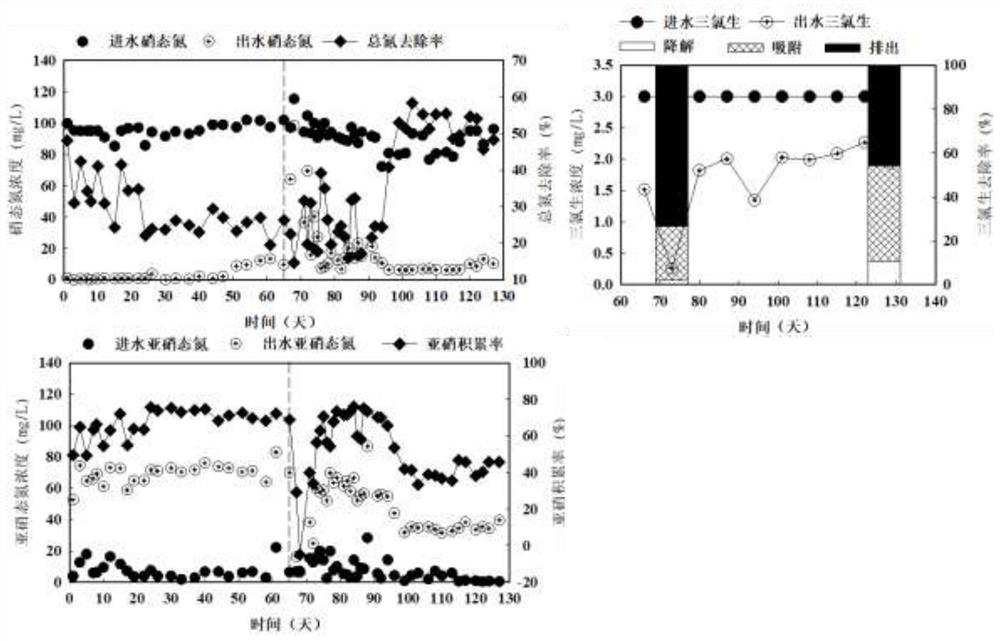
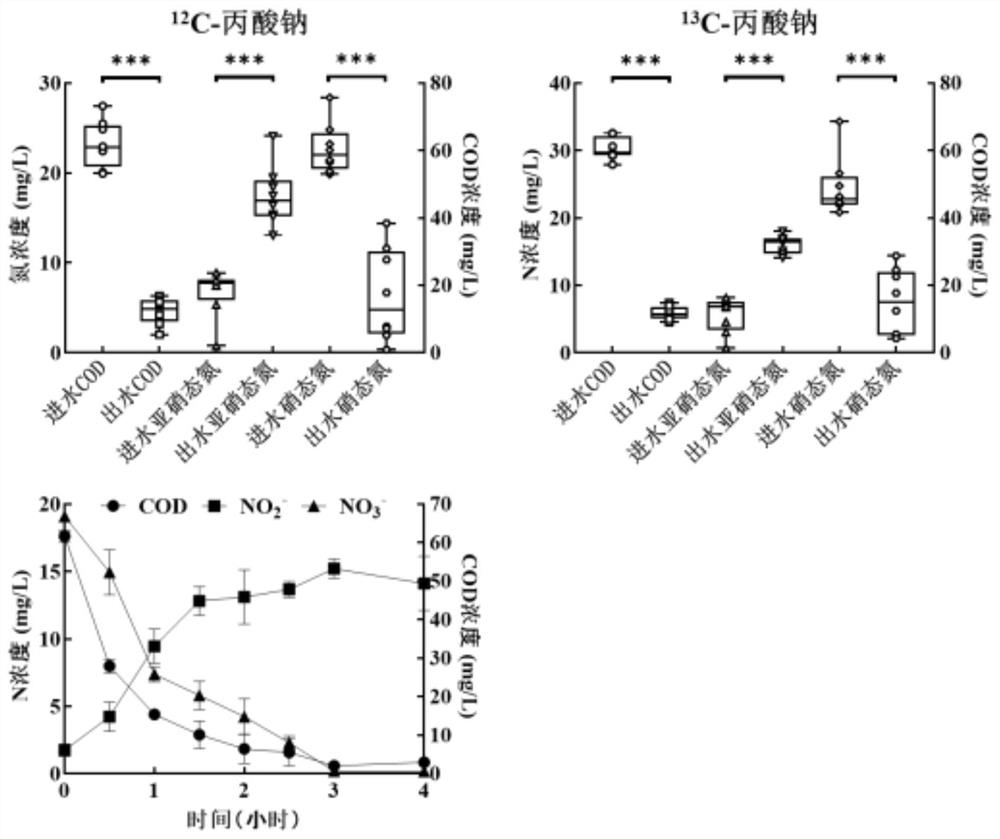
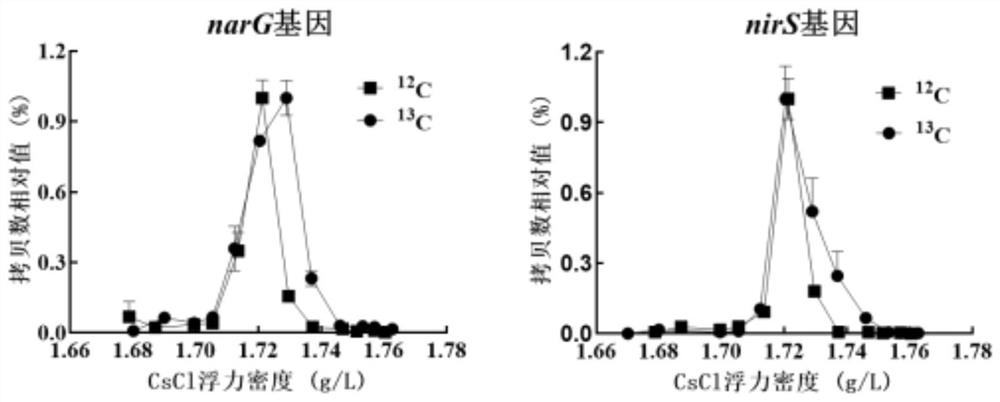
The invention discloses a method for simultaneously identifying short-cut denitrifying bacteria and triclosan degrading bacteria based on a DNA stable isotope nucleic acid probe technology, and belongs to the technical field of sewage biological treatment technologies and microbial ecology. The method comprises the steps of (1) starting a short-cut denitrification system based on granular sludge and biologically removing triclosan in the system; (2) carrying out 13C-propionic acid sodium and 13C-triclosan isotope microcosm experiments; (3) separating heavy-layer DNA by adopting an ultra-high-speed centrifugation method based on a cesium chloride density gradient solution; and (4) carrying out DNA marking degree evaluation and flora structure analysis. According to the method for simultaneously identifying active short-cut denitrifying bacteria and triclosan degrading bacteria in the short-cut denitrification granular sludge system based on the DNA stable isotope nucleic acid probe technology, a microorganism capable of simultaneously realizing short-cut denitrification and triclosan removal can be explored and disclosed, and a theoretical support is provided for an actual process of removing triclosan by short-cut denitrification in a sewage treatment plant.
Owner:BEIJING UNIV OF TECH
Method for predicting influence of urban river ecological restoration on microorganism-mediated ammonia nitrogen conversion
The invention discloses a method for predicting the influence of urban river ecological restoration on microorganism-mediated ammonia nitrogen conversion. The method comprises the following steps: establishing a piecewise fitting function of ammonia nitrogen removal coefficients and microorganism functional gene abundance under different dissolved oxygen concentrations and submerged plant biomass based on a microcosm simulation experiment; quantifying the contribution rate of the microbial action in the ammonia nitrogen removal process; applying the fitting function to an ammonia nitrogen removal system in a traditional water quality model, and constructing an urban river microorganism mediated ammonia nitrogen conversion process model in combination with a microorganism contribution rate; evaluating the effect of the model on simulating the spatial and temporal distribution of the ammonia nitrogen concentration by utilizing a decision coefficient and a Nash efficiency coefficient; different artificial aeration and submerged plant restoration scenes are set, and the influence of typical water ecological restoration measures on the microorganism-mediated ammonia nitrogen removal process is quantified. The method has important guiding significance for stably reaching the standard of urban river water quality and optimizing layout of water ecological restoration measures.

Owner:NANJING HYDRAULIC RES INST
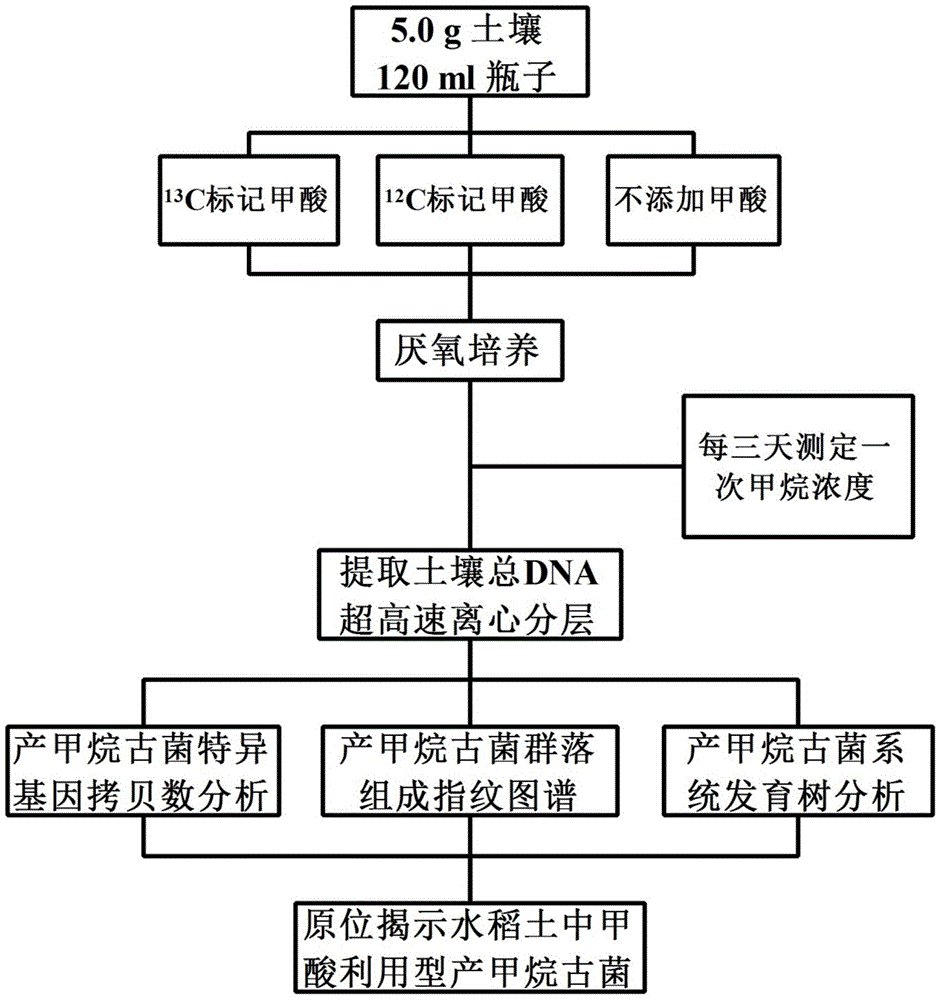
A method for in situ revealing of formic acid-utilizing methanogenic archaea in paddy fields using DNA stable isotope probes
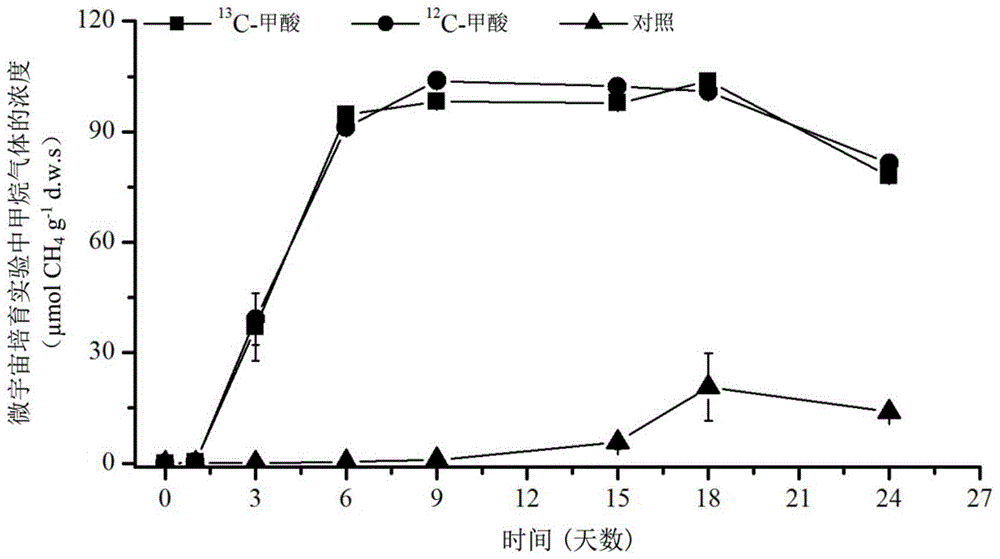
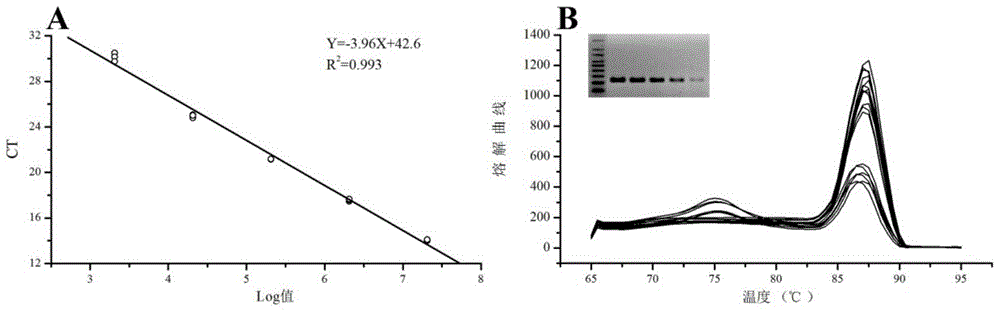
Owner:INST OF SOIL SCI CHINESE ACAD OF SCI
Micro-ecological model for simulating arsenic circulation on earth
PendingCN110827627AFine-grained analysis of migration and transformation lawsAnalyzing the law of migration and transformationEarth material testingTesting waterMicrocosmMicroorganism
The invention discloses a micro-ecological model for simulating arsenic circulation on the earth. The micro-ecological model comprises benthic shellfish, sediments, seawater and a DGT device, whereinsinonovacula constricta is selected as the benthic shellfish. In the model, the sediments and the seawater form a sediment-water microcosm system (SWM), the sinonovacula constricta is placed in the sediment-water microcosm system, and the DGT device is inserted into the sediment-water microcosm system. According to the model, the biological disturbance effect is fully considered in the simulationprocess, the biological disturbance effect plays an important role in the sediment-water migration and transformation process, and the biological disturbance effect can cause change of microorganismsin the sediments. Besides, the seawater and the sediments are deeply layered, so that millimeter-scale measurement is achieved, and the migration and transformation rule of arsenic in the sediments isanalyzed more finely. Therefore, compared with a traditional detection method, the DGT technology can detect the concentration change of arsenic at different depths, and the concentration change is closer to the real value of the environment.


Owner:GUANGZHOU UNIVERSITY
Dynamic microcosm system device for simulating lake ecosystem
PendingCN114419979AControl rainfall intensityFast samplingMeasurement devicesPisciculture and aquariaMicrocosmStream flow
The invention belongs to water body ecology drainage basins, and particularly relates to a dynamic microcosm system device for simulating a lake ecosystem. The rainfall simulation system specifically comprises a water storage unit, a rainfall control unit, a lifting pump and a straight pipe, the water storage unit and the straight pipe are connected through a conveying pipeline, the lifting pump is arranged on the conveying pipeline, the lifting pump is electrically connected with the rainfall control unit, and the rainfall simulation system can be used for receiving feedback signals of the rainfall control unit to adjust flow. According to the invention, the lake ecosystem can be truly restored, and the dynamic influence on the water body can be reflected by simulating the change of the environment variable in a certain interval; a relatively complete ecological chain capable of satisfying simultaneous survival of water, mud and organisms is constructed, and sufficient contact between the organisms and the environment is ensured; meanwhile, multiple weather activities and disturbance of the weather activities to the water body can be simulated through the rainfall control unit, and compared with static changes in the prior art, dynamic simulation of a natural environment system is achieved.


Owner:NANJING INST OF ENVIRONMENTAL SCI MINIST OF ECOLOGY & ENVIRONMENT OF THE PEOPLES REPUBLIC OF CHINA
Method for exploring a migration mechanism of PAHs (polycyclic aromatic hydrocarbons) in bottom mud of rice-crab co-cropping farmland by using fluorescent sand particle tracing method
ActiveCN113049781AFluorescence profile screenshot OKObtain screenshot of fluorescence profileClimate change adaptationEarth material testingMicrocosmPolycyclic aromatic hydrocarbon
The invention discloses a method for exploring a migration mechanism of PAHs (polycyclic aromatic hydrocarbons) in bottom mud of a rice-crab co-cropping farmland by using a fluorescent sand particle tracing method, and relates to a method for revealing the migration mechanism of the PAHs in the bottom mud by using the fluorescent sand particle tracing method. The invention aims to solve the problem that migration of PAHs in the bottom mud of the rice-crab co-cropping farmland in a bottom mud phase cannot be researched in the prior art. The method comprises the following steps: 1, preparing materials required by a microcosm experiment; 2, constructing a microcosm experiment system; 3, intercepting a target sample; 4, performing qualitative analysis on the disturbance range; 5, calculating the relative fluorescent substance concentration; 6, calculating the relative phenanthrene concentration; 7, performing correlation analysis; and 8, calculating the biological disturbance diffusion coefficient. The method has the advantages that 1, the fluorescent sand can be used for representing the vertical, transverse and mixed migration of phenanthrene; and 2, the biological disturbance diffusion coefficient is calcualted. The method is mainly used for exploring the migration of PAHs in the bottom mud of the rice-crab co-cropping farmland in the bottom mud phase by utilizing a fluorescent sand particle tracing method.


Owner:NORTHEAST AGRICULTURAL UNIVERSITY
Device and method for evaluating bio-availability of water pollutants by adopting microcosm system
PendingCN112730770AReal and effective simulationImprove practicalityTesting waterMicrocosmPeristaltic pump
The invention provides a device and a method for evaluating the bio-availability of water pollutants by adopting a microcosm system. Firstly, an experimental device which mainly comprises an environmental condition control system, a compound feeding system and a compound exposure system is constructed, and is characterized in that the environmental condition control system, namely an artificial climate incubator, is used for controlling environmental conditions in the system; the compound feeding system is connected with the exposure system through a peristaltic pump and comprises four types of containers, a container supporting part and a valve; the system consists of one or more organisms; and predatory relationships may or may not exist between organisms. Meanwhile, the invention provides a method for evaluating the bio-availability of water pollutants. Various organisms or environmental media can be continuously sampled respectively, and interference does not exist among different organisms or among the environmental media. The device can be used for researching the effectiveness of pollutants in a plurality of media on a plurality of nutrient-grade organisms under a synchronous experiment condition, and can more truly reflect the occurrence form and the biological effectiveness of the pollutants in the environment.


Owner:BEIJING NORMAL UNIVERSITY
In-situ microcosm experimental device and method for influence of deep-sea mining on benthic organisms
The invention provides an in-situ microcosm experimental device and method for the influence of deep-sea mining on benthos, and the device integrates the experimental functions of deep-sea in-situ ecological simulation, deep-sea in-situ environment monitoring, deep-sea mining stress simulation, deep-sea organism collection, blank control and the like. Key technologies such as in-situ long-time-sequence self-experiment, self-sampling and self-floating independent of ROV operation are broken through, so that the threshold value which can best reflect the direct in-situ influence of deep-sea mining including plume redeposition, heavy metal ions and an intense light source on benthos and the influence of the direct in-situ influence is obtained for the first time, and environmental factors such as temperature, salinity, dissolved oxygen and turbidity in a cabin are analyzed; the influence of deep-sea mining on various environmental factors is indicated, and an action mechanism of forming indirect stress on benthos by changing the environmental factors besides direct influence of deep-sea mining is determined, so that the problems of long-term monitoring, quantitative research and the like of the influence of deep-sea mining on the benthos are solved; and deep-sea mining is promoted from a pilot production stage to a mature process of commercial mining.

Owner:OCEAN UNIV OF CHINA
Microcosm culture device and application thereof in quantitative analysis of soil carbon diffusion and microorganism utilization process
ActiveCN113444612AAchieve selective permeationConsistent water potentialBioreactor/fermenter combinationsBiological substance pretreatmentsMicroorganismMicrocosm
The invention relates to the field of soil process analysis, in particular to a microcosm culture device and application thereof in quantitative analysis of soil carbon diffusion and microorganism utilization processes. The microcosm culture device comprises a closed container as well as a culture box and a dialysis tube which are positioned in the closed container, the incubator comprises a soil layer; the dialysis tube is connected with the incubator, part of the tube body penetrates through the side wall of the incubator in the length direction and extends into the soil layer, a carbon source is contained in the dialysis tube, the dialysis tube can enable the carbon source to be diffused to the soil layer, and the water potential inside and outside the dialysis tube is always kept consistent. The quantitative analysis method for the soil carbon diffusion and microorganism utilization process is provided on the basis of the microcosm culture device, the relationship between the efficiency of utilizing the exogenous carbon source by the microorganisms and the space can be explored through the method, and the influence of the carbon diffusion distance on the efficiency of utilizing the exogenous carbon by the microorganisms is further quantitatively analyzed.

Owner:BEIJING UNIV OF TECH
Method and system for regulating and controlling nitrogen circulation of constructed wetland by using root exudates
The invention provides a method and a system for regulating and controlling nitrogen circulation of a constructed wetland by using root exudates, and relates to the technical field of constructed wetland sewage treatment. The method comprises the following steps: 1) constructing a plant root exudate database; 2) training a machine learning prediction model and optimizing parameters by adopting a machine learning algorithm and using the data of the plant root exudate database; 3) screening the compounds in the natural product database by using the machine learning prediction model in the step 2), predicting the denitrification potential of the compounds, and selecting candidate substances; and 4) constructing a microcosm culture system, in the microcosm culture system, detecting nitrogen removal and microbial response by adding the candidate substances obtained in the step 3) with different concentration gradients, and verifying the denitrification effect of the candidate substances. The system disclosed by the invention is high in datamation degree, simple and convenient to operate, accurate in prediction and low in cost, provides a new technical means for enhanced denitrification of the constructed wetland, and has a good industrial application prospect.

Owner:SHUNDE INNOVATION SCHOOL UNIVERSITY OF SCIENCE & TECHNOLOGY BEIJING
Soil non-symbiotic nitrogen-fixing microorganism detection method based on 15N2 tracer method
PendingCN119120740ASimple operation processhigh sensitivityMicrobiological testing/measurementEarth material testingMicrocosmNatural ecosystem
The invention discloses a soil non-symbiotic nitrogen fixation microorganism detection method based on a 15N2 tracer method, and belongs to the technical field of biological nitrogen fixation and microbial ecology. The method comprises the following steps: (1) carrying out a 15N2 isotope microcosm experiment; (2) determination of gas and soil 15N abundance in a microcosm experiment; (3) separating stable isotope labeled DNA and non-labeled DNA; and (4) identifying the enrichment degree of the 15N-DNA and analyzing the flora structure. On the basis of a 15N2 tracer method, a stable isotope nucleic acid probe technology and a 15N2 isotope direct labeling technology are integrated, the active nitrogen-fixing microorganisms and the ecological functions of the active nitrogen-fixing microorganisms can be researched at the same time, and technical support is provided for defining the types of the soil active nitrogen-fixing microorganisms in a natural ecological system and making contribution to nitrogen input. The method is simple and efficient in operation process, and has the advantages of high sensitivity and rapidness.

Owner:BEIJING FORESTRY UNIVERSITY
Microcosm device suitable for carbon and nitrogen cycle research of rice-fish compound system
The invention discloses a microcosm device suitable for carbon and nitrogen cycle research of a rice-fish compound system. The microcosm device comprises a device main body, a gas production cover and a water inlet and drainage system. The device body comprises a main box body, a water tank and a fan. The gas production cover comprises a support, a cover, a gas production pipe and a sealing ring. The water inlet and drainage system comprises a water inlet pipe, a water outlet pipe, valves and flowmeters. The device is easy to build, disassemble and reuse in a field environment, and long-term or short-term observation can be carried out on the premise that a farmland plough layer is not damaged; and a researcher can conveniently collect gas, soil, water and animal samples. According to the invention, carbon-nitrogen cycle characteristic comparison of different modes of the rice-fish compound system can be carried out on a small-area field, and the method is also suitable for regional networking monitoring research for comparing different soil and climate condition differences. The method has important significance for deeply researching the carbon-nitrogen cycle characteristics and mechanism of the rice-fish compound system, and is worthy of popularization and application.

Owner:ZHEJIANG UNIV
Method for determining total nitrogen water ecological reference threshold value
The invention discloses a method for determining a total nitrogen water ecological reference threshold value. The method comprises the steps: based on an artificial aquatic microcosm technology, establishing a multi-nutrition-level, multi-species and multi-ecological-parameter microcosm system containing a phytoplankton-zooplankton food net; screening a potential ecological response factor to construct a nutrient-phytoplankton-zooplankton food net pressure-response relationship, carrying out the quantitative description, and obtaining a threshold value causing plankton community structure changes. The method has the advantages that the method for determining the total nitrogen water ecological reference threshold value at the ecological system level based on the indoor experiment is provided for the first time, indoor verification can be conducted on the threshold value derived based on the field investigation experiment, and meanwhile the method has important significance in determination of the total nitrogen water ecological reference value and pollution prevention and control. The method has the characteristics of simplicity, convenience, wide application range and high practicability, and the scientificity, reliability and operability of total nitrogen water ecological reference threshold research are improved.


Owner:NANKAI UNIV
Petroleum pollution site biostimulation technical index system construction method
PendingCN121641232AMolecular entity identificationChemical processes analysis/designMicrocosmMicroorganism
The invention discloses a method for constructing a biostimulation technical index system of a petroleum polluted site. The method comprises the following steps: constructing a structural framework of the biostimulation technical index system; setting the first-level index as a biological stimulation technology influence factor; setting the secondary indexes to comprise pollutants, microorganisms, required substances and environment; setting the third-level indexes as a plurality of condition indexes and pollutant concentrations; collecting an underground water soil sample of a target area, and carrying out an indoor test based on a microcosm test technology according to site conditions of the target area; drawing a relation curve graph of each condition index and the pollutant concentration; respectively analyzing the incidence relation between each condition index and the pollutant concentration, and determining a key factor influencing biological stimulation and a key microbiological index capable of indicating a biological stimulation process; according to the method, the main control factors in the biological stimulation means can be accurately determined, so that a good biological stimulation scheme can be obtained.

Owner:CHINA PETROLEUM & CHEMICAL CORP +1
Scanning splicing large-view-field fundus phase imaging device and use method
The invention discloses a use method of a scanning splicing large-view-field fundus phase imaging device. The scanning splicing large-view-field fundus phase imaging device comprises an illumination light path and a zoom light path. The illumination light path comprises a scanning mirror, a spectroscope and a fundus objective lens, the front side of the scanning mirror is a collimation light source, the rear side of the scanning mirror is the spectroscope, the left side of the spectroscope is the fundus objective lens and a patient fundus, and the right side of the spectroscope is a zoom lens group of a zoom light path and a fundus camera. The scanning mirror is rotated and the focal length of the zoom lens group is adjusted in sequence according to the plurality of scanning sequence groups, so that the fundus camera acquires a plurality of groups of positive defocus state, focusing state and negative defocus state images, then a plurality of local fundus phase diagrams are obtained according to the images, and a complete fundus phase distribution diagram is obtained, namely, the fundus phase distribution diagram has the phase information acquisition capability; and observing microscopic important pathological features according to the fundus phase distribution diagram. Therefore, the design has the capability of acquiring phase information, and microscopic important pathological features can be observed.

Owner:XUZHOU FIRST PEOPLES HOSPITAL
Pond microcosm method for evaluating pollutant influence
The invention provides a pond microcosm method for evaluating pollutant influence. The method comprises the following steps: S1, constructing a pond microcosm system for dynamic analogue simulation; s2, putting the tested organism into the pond microcosm system, exposing the to-be-evaluated pollutants in the pond microcosm system, and after a period of time, analyzing to obtain the enrichment concentration of the to-be-evaluated pollutants in the water phase, the sediment and the tested organism; s3, analyzing and calculating the data to obtain the fugacity of the environmental phase and the fugacity capacity of the environmental phase; and S4, calculating a net change flux through a fugacity model, and evaluating the dynamic change of the pollutants in the pond microcosm system. According to the method, the experimental method is improved and the fugacity model is introduced, so that the defects of complexity, authenticity and analysis in the microcosm experiment in the prior art are effectively overcome, and a more perfect and accurate method is provided for deeply researching environmental behaviors of pollutants in a microcosm ecological system in a near-natural state.

Owner:ANHUI UNIV
Parameter calibration method for urban road network microscopic traffic simulation system based on macroscopic simulation fusion
The application discloses a kind of fusion macroscopic simulation city road network microcosm traffic simulation system parameter calibration method, comprising: building microcosm traffic simulation system and macroscopic traffic simulation system;Initial simulation parameter x is used to execute microcosm traffic simulation system and macroscopic traffic simulation system respectively;Microcosm simulation result and macroscopic simulation result are used to build metamodel m (·), and parameter feasible solution x is estimated using metamodel m (·) h ;Parameter feasible solution x h Microcosm traffic simulation system and macroscopic traffic simulation system are executed respectively, and microcosm simulation error l mic (x h ) is calculated;The microcosm simulation error of two simulation parameters x and x h Corresponding, the simulation parameter x of microcosm traffic simulation system is updated to the simulation parameter corresponding to smaller microcosm simulation error.The application quickly estimates the error gradient of large-scale microcosm simulation result and actual state using metamodel, realizes the rapid search of simulation parameter, constructs metamodel to fit the result of microcosm traffic simulation, and has higher consistency with microcosm simulation result.

Owner:SOUTHEAST UNIV
Method for determining influence of ferrihydrite on colloidal state As content in soil solution
PendingCN119246820Aeasy to operateStrong implementationEarth material testingMaterial analysis by transmitting radiationMicrocosmSoil science
The invention discloses a method for determining the influence of ferrihydrite on the content of colloidal As in a soil solution. The method comprises the following steps: S1, preparing raw materials; s2, carrying out a reduction-reoxidation microcosm experiment: S2-1, carrying out culture in a reduction period; s2-2, culturing in an oxidation period; s2-3, sampling: in each control group, carrying out destructive sampling on 4 parts of samples in the first, tenth, 20th and 35th days of the culture in the reduction period, and carrying out destructive sampling on the rest 2 parts of samples in the fifth and tenth days of the culture in the oxidation period; s3, extracting data; and S4, data analysis: obtaining the relative weight of each influence factor to the colloidal state As content in the soil solution. According to the method, the sensitivity of the soil to the ferrihydrite can be judged, the method is convenient and rapid to operate, high in practicability and high in accuracy, can be applied to various scenes, can provide theoretical guidance for the amount of the ferrihydrite needing to be added and the adding time of the ferrihydrite in the subsequent soil treatment process, and has high practicability.

Owner:ANHUI PROVINCIAL ACAD OF ECOLOGICAL & ENVIRONMENTAL SCI (ANHUI PROVINCIAL ECOLOGICAL ENVIRONMENT PLANNING INST ANHUI PROVINCIAL ECOLOGICAL ENVIRONMENTAL ENG CONSULTING & DESIGN INST)
Science interactive instrument (Explore the microcosm)

Owner:SHANGHAI EYE DISEASE PREVENTION & TREATMENT CENTER
Marine microcosm system and its construction method and method for rapidly assessing the biological toxicity of oil spill pollutants in the ocean
InactiveCN106719110BSimulate the realReal and effective simulationClimate change adaptationPisciculture and aquariaMicrocosmEcological environment
The invention provides an oceanic microcosm system, an establishment method and a method for rapidly accessing the biotoxicity of oil spilling pollutants in ocean. In the establishment method of the oceanic microcosm system, a surface-layer sea area microcosm system can be really and effectively simulated by establishing the oceanic microcosm system consisting of a culture solution, sediments, algae, protists, prawns and fishes. In addition, the oceanic microcosm system has the advantages of being complete in food chain structure and capable of really simulating the surface-layer sea area microcosm system. The method for rapidly accessing the biotoxicity of the oil spilling pollutants in the ocean has the advantages of being quick and accurate, capable of really reflecting the influence of petroleum pollutants to the surface-layer sea area ecological environment and the like.


Owner:OCEAN UNIV OF CHINA
Molecular dynamics-based evaluation method for simulating gas storage capacity of hydrate and application of molecular dynamics-based evaluation method
PendingCN121260270ADesign optimisation/simulationComputational theoretical chemistryMicrocosmChemical physics
The invention provides an evaluation method for simulating gas storage capacity of hydrate based on molecular dynamics. The method comprises the following steps: 1, establishing a model to research microcosmic nanopores, 2, extending a porous structure model to a micron scale, and 3, establishing a unified evaluation model for gas storage capacity in a multi-scale pore environment. The invention aims to solve the limitation of the existing experimental method and macroscopic model in gas storage capacity evaluation. By constructing a molecular dynamics simulation system and combining different conditions, a porous structure model is extended to a micron scale, and quantitative analysis is performed on pore network complexity and migration and lattice stability of gas molecules in the hydrate, so that evaluation on the gas storage capacity of the hydrate is realized.

Owner:RESEARCH INSTITUTE OF TSINGHUA UNIVERSITY IN SHENZHEN
Basin antibiotic risk management and control method and system
The invention relates to the technical field of risk control, in particular to a drainage basin antibiotic risk management and control method and system, and the method comprises the following steps: deploying a multi-parameter sensor to collect three types of ecological data, continuously carrying out the over-limit triggering of ecological migration signals for three times, extracting the corresponding antibiotic concentration, and inputting gray correlation analysis to obtain high-correlation antibiotics and a concentration interval. A limit instruction is generated by combining biological weight weighting, a concentration and resistance relation function is constructed through a microcosm experiment, a key antibiotic list and a risk level are output, an orthogonal matrix decomposition model is input to analyze pollution source contribution, and a pollution source management and control instruction and a priority partition map are generated. According to the method, through multi-dimensional ecological index monitoring, establishment of ecological reference dynamic comparison, linkage of antibiotic concentration gradient, grey correlation screening of high-correlation antibiotics, construction of a limit value adjustment strategy and simulation of environmental parameter modeling resistance risks, abnormity identification, threshold regulation and control and risk prediction closed-loop management and control are realized.

Owner:NANJING INST OF ENVIRONMENTAL SCI MINIST OF ECOLOGY & ENVIRONMENT OF THE PEOPLES REPUBLIC OF CHINA
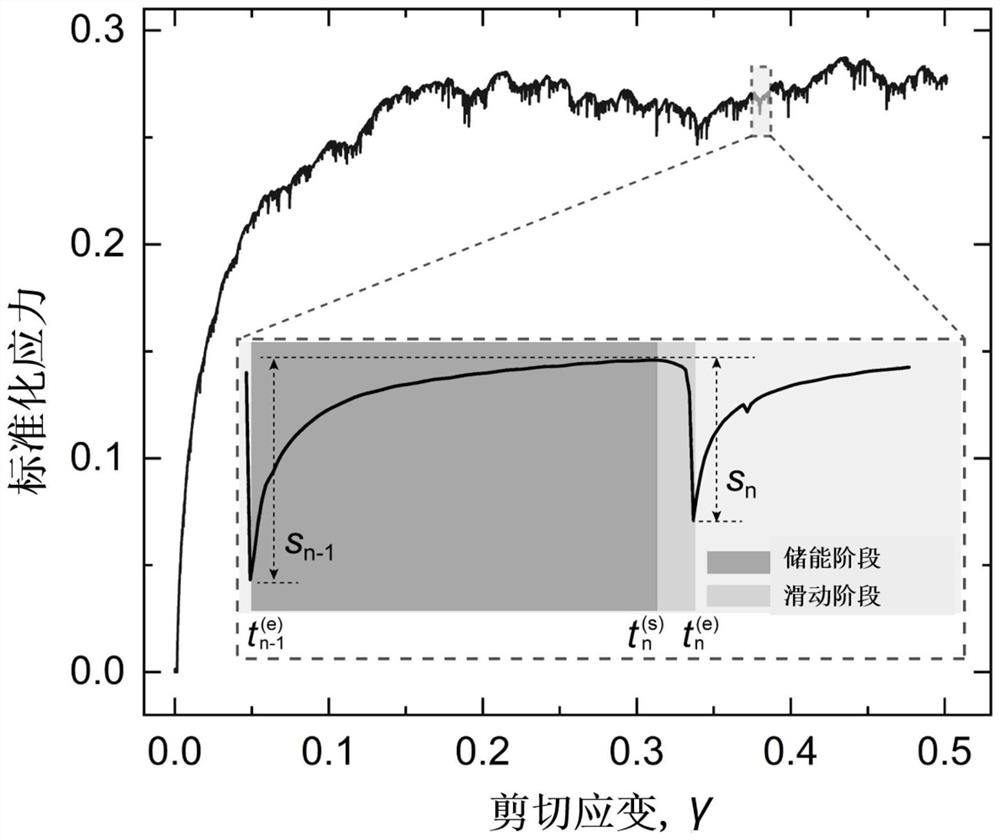
A Prediction Method of Macroscopic Stress Fluctuation in Granular System Based on Convolutional Neural Network
ActiveCN113361184BBuild quantitative relationshipsNew and effective wayDesign optimisation/simulationMicrocosmVoxel
The invention relates to a method for predicting macroscopic stress fluctuations of a granular system based on a convolutional neural network, which comprises the following steps: converting the microscopic plastic deformation of the granular system into regular The three-dimensional voxel matrix; establish the deep learning data set with the three-dimensional voxel matrix as the input and the actual macroscopic stress fluctuation of the granular system as the output; train the convolutional neural network based on the deep learning data set, and establish the microcosmic stress fluctuation of the granular system A cross-scale predictive model of the quantitative relationship between behavior and macroscopic responses. The present invention relates to a method for predicting macroscopic stress fluctuations of granular systems based on convolutional neural networks, which can establish the quantitative relationship of granular systems from microscopic plastic behavior to macroscopic mechanical responses, and is useful for macroscopic stress fluctuation prediction and macro-micro cross-scale research of granular materials. Provides a new and effective way.
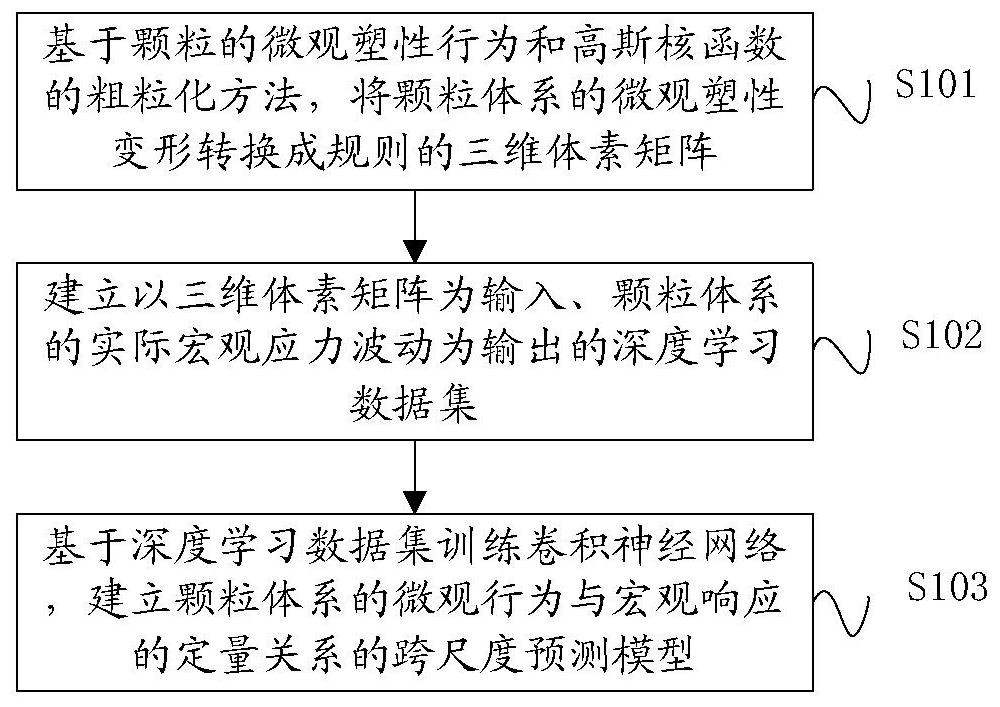
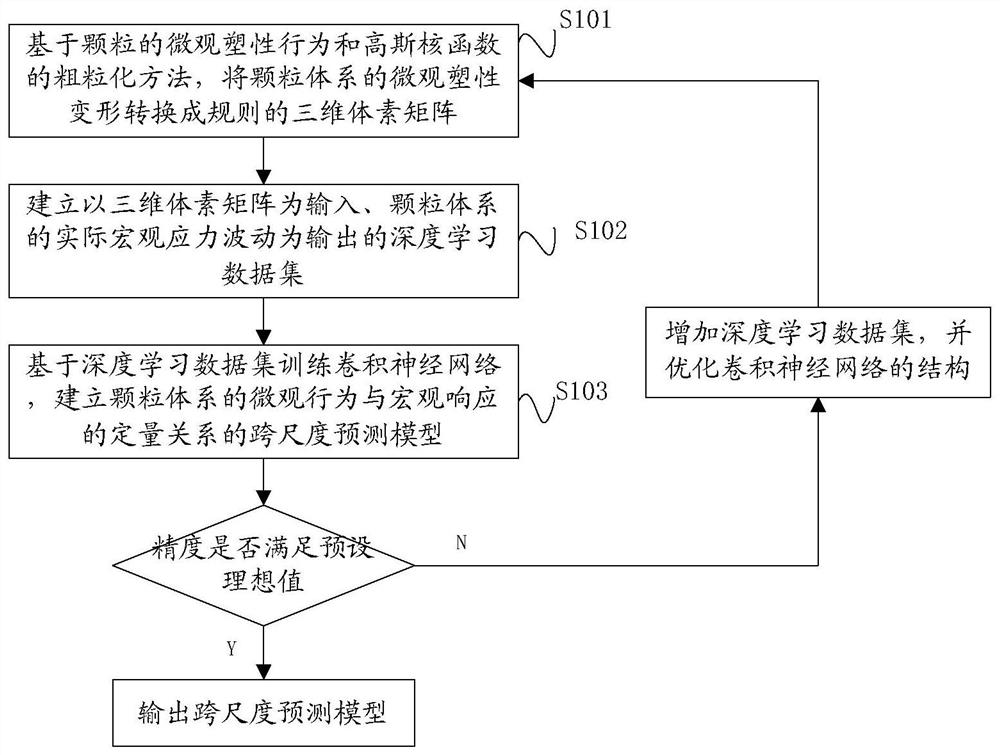
Owner:WUHAN UNIV
Microscope (carrot)
1. Name of the designed product: microscope (carrot). 2. Use of the designed product: for peeping into the mystery of cells and microcosm. 3. Design points of the designed product: in the shape of the product. 4. Picture or photo best indicating the design points: perspective view. 5. Other circumstances or explanations: the part shown by A in the figure is transparent.

Owner:ZHONGSHAN MAVINLENS OPTICAL CO LTD
Microcosm indoor simulation test method for near-soil decay process of ancient building wood components
This invention discloses a microcosmic indoor simulation test method for the near-soil decay process of ancient architectural wooden components, belonging to the technical field of ancient architectural wooden structure protection and wood biological degradation simulation. Addressing the problems of variations in undisturbed soil and the difficulty in controlling the cultivation process, this method collects undisturbed surface soil from around ancient buildings, pre-conditions it with moisture, sieves for impurity removal, saturates it, allows it to settle and equilibrate, and then gravity drains it, standardizing the moisture treatment process while preserving soil water-holding differences. A standardized soil bed and a near-soil non-buried interface for the wooden specimens are constructed. The specimens are then cultured in a pre-equilibrated chamber under controlled light, temperature, and humidity, monitoring temperature, humidity, soil bed condition, and mycelial growth, and removing any germinating seedlings. During long-term cultivation, the soil is replaced as needed using the same source and treatment method, and operational quality control is implemented. The decay and degradation indicators of the wood are detected through periodic or endpoint sampling to characterize the decay process. This invention can preserve regional soil characteristics, reduce non-target variations, and achieve controllable simulation and monitoring of the decay process.

Owner:NANJING FORESTRY UNIV
Method and system enabling photoplethysmograph measurement of volume status
ActiveUS11076772B2Facilitate noninvasive monitoring of systemicCatheterSensorsMicrocosmIntensive care medicine
A method enables photoplethysmograph measurement of volume status. The method includes the steps of converting photoplethysmograph voltages to volume measurements and characterizing a local microcirculation as a microcosm in a manner allowing a photoplethysmograph to facilitate noninvasive monitoring of systemic status.


Owner:SILVERMAN DAVID G
Dynamically controllable soil microcosm experiment device
ActiveCN222561556Uimprove consistencyeasy to operatePreparing sample for investigationEducational modelsMicrocosmSoil science
The utility model relates to a dynamically controllable soil microcosm experiment device, and belongs to the technical field of soil experiment equipment. The device comprises a reactor, a gas storage tank, a connecting pipe, a magnetic stirrer, an environmental parameter monitoring device and experimental sampling equipment, the environmental parameter monitoring device and the experimental sampling equipment are arranged at the top of the reactor, the magnetic stirrer is arranged at the bottom of the reactor, and the lower portion of the reactor is externally connected with the gas storage tank through the connecting pipe. By controlling different soil environment conditions and matching with real-time monitoring and timed sampling, the behavior of pollutants in soil is more comprehensively simulated and researched in a highly controllable and dynamic manner, the high consistency of experimental conditions and a natural soil complex environment is ensured, and the operation is simple and convenient.

Owner:GUANGZHOU UNIVERSITY
Microcosm test device for simulating genetic engineering blue-green algae remediation system
PendingCN119334551ADetection of fluid at leakage pointEducational modelsMicrocosmEnvironmental engineering
The invention discloses a microcosm test device for simulating a genetic engineering blue algae restoration system in the technical field of environmental restoration simulation equipment, and the microcosm test device comprises a test box body and a box cover, the box cover is provided with a simulation lamp, the test box body is provided with a controller, the box cover is provided with an inner sealing member and an outer sealing member, and the inner sealing member and the outer sealing member are connected through a pipeline. The test box body comprises an outer box body, an inner box body and a support block arranged between the outer box body and the inner box body, and filling liquid is filled between the outer box body and the inner box body; the box cover comprises a cover plate and an elastic wrapping layer, and gas is filled between the cover plate and the elastic wrapping layer; an open groove is formed in the bottom of the cover plate, and a pressing block is arranged in the open groove in a sliding mode; according to the invention, the test box body, the box cover and the sealing performance between the test box body and the box cover are detected through the three detection modes, so that leakage of the test device in the test process can be found in time, the influence of external interference on the test process is reduced, and the accuracy of blue-green algae restoration evaluation is ensured.

Owner:NANJING INST OF ENVIRONMENTAL SCI MINIST OF ECOLOGY & ENVIRONMENT OF THE PEOPLES REPUBLIC OF CHINA